

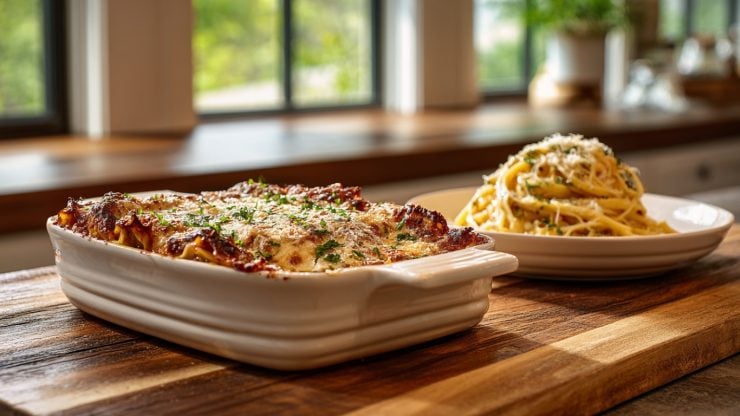
Italian food is enjoyed by people all over the world and has become one of the most recognized and appreciated cuisines. Its meals are known for being satisfying, familiar, and easy to enjoy, which makes them a popular choice for both everyday dinners and special gatherings. Over time, Italian cuisine has built a strong reputation for being widely appealing across many cultures. Its dishes often bring people together, whether in homes, restaurants, or casual settings, creating a sense of comfort and connection that has helped it remain popular for generations.
This article highlights the best Italian foods, offering a broad look at what makes this cuisine stand out. It provides readers with a clear and simple introduction to Italian cooking, showing why it continues to be enjoyed by so many people around the globe. This guide is designed to give an easy-to-understand overview for anyone interested in learning more about this enduring and beloved cuisine.
#25 – Pizzetta

Pizzetta is a small, individual-size pizza that is often served as a snack or appetizer in Italian cuisine. It is made with a pizza dough base topped with ingredients such as tomato sauce, cheese, and sometimes herbs like basil or oregano. Its compact size makes it easy to handle and enjoy in a few bites, which is why it is popular at casual meals and social gatherings.
This mini pizza stands out for its simplicity and familiar flavors. Its small format allows the classic pizza taste to shine in a convenient, hand-held portion. Pizzetta is commonly found in bakeries, markets, and at events where light, easy-to-eat options are preferred. Its straightforward preparation and approachable size have helped it remain a well-loved choice in Italian cuisine.
#24 – Cotoletta Alla Milanese

Cotoletta alla Milanese is a traditional Italian dish that comes from Milan in northern Italy. It is made using a large veal cutlet that is coated in breadcrumbs and fried in butter until golden and crisp. The cutlet is usually cooked with the bone still attached, which helps keep the meat juicy during cooking. Its preparation is simple and focuses on texture, with a crisp outside and tender meat inside.
This dish is known for its straightforward preparation and satisfying bite. The contrast between the crunchy coating and the soft veal makes it a favorite on many menus. Cotoletta alla Milanese is often served as a main course and is commonly paired with light sides so the cutlet remains the focus. Its long history and consistent preparation have helped it remain a well-recognized part of Italian cooking.
#23 – Ravioli
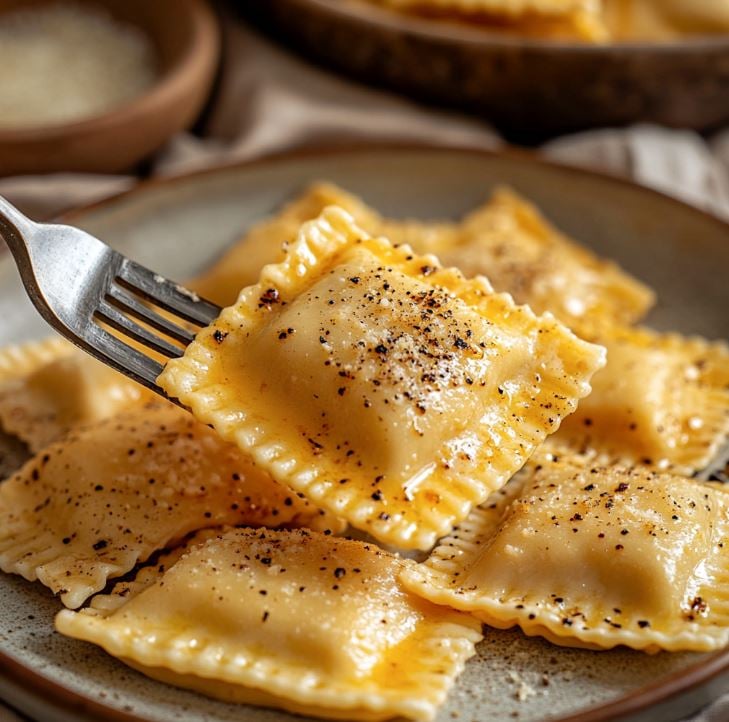
Ravioli are a traditional Italian pasta made by filling sheets of dough with a mixture of ingredients, then sealing and cutting them into individual portions. Common fillings include cheese, meat, or vegetables, depending on the region and recipe. Ravioli are usually boiled and served with a sauce that complements the filling rather than overpowering it. This style of pasta has been part of Italian cooking for centuries and is closely tied to regional traditions and home-style meals.
Ravioli are popular because they offer variety and balance in a single dish. Each piece combines pasta and filling in a way that feels complete and satisfying. The sealed shape helps hold flavor inside, making every bite consistent. Ravioli are often served during family meals or special occasions, but they also work well for everyday dining. Their adaptability and familiar format have helped ravioli remain a steady favorite in Italian cuisine.
#22 – Meatballs (Polpette)

Polpette, or Italian meatballs, are a traditional dish made from ground meat mixed with ingredients like breadcrumbs, eggs, cheese, and herbs. They have been part of Italian cooking for many years and are prepared in different ways depending on the region. Polpette are often pan fried, baked, or simmered in sauce, and their size can vary from small bites to larger portions. The focus is usually on keeping the meat tender while building flavor through simple seasoning and careful cooking.
Polpette works well as a main dish, a side, or part of a shared meal. Their soft texture and familiar taste make them appealing to a wide range of diners. Over time, polpette have remained popular because they fit many meals and settings while staying true to traditional Italian home cooking.
#21 – Eggplant Parmigiana
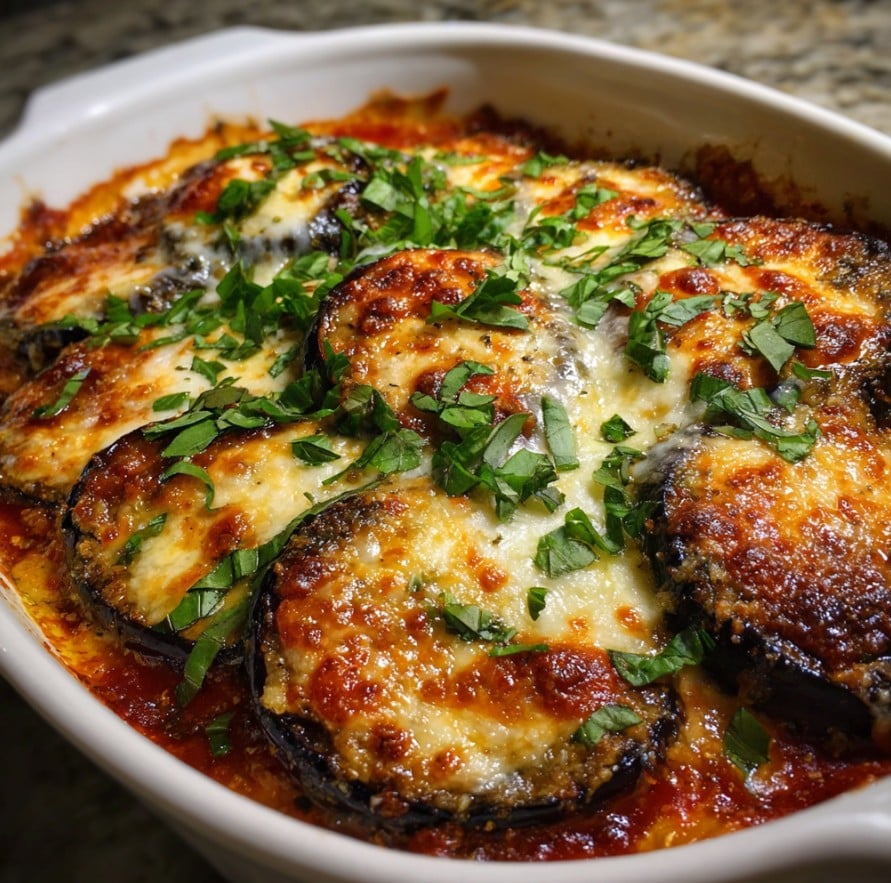
Eggplant Parmigiana is a classic Italian casserole-style dish made by layering cooked eggplant with tomato sauce and cheese, then baking it until everything comes together. The eggplant is usually sliced and lightly fried before baking, which helps it stay tender while holding its shape. This dish has strong roots in southern Italy and has been prepared in home kitchens for many years using simple, familiar ingredients.
This baked dish is valued for its comforting structure and well-balanced flavors. Each layer adds something different, from the soft eggplant to the rich sauce and melted cheese. Eggplant Parmigiana is often served as a main course or shared at the table, making it suitable for both casual meals and family gatherings. Its casserole-style format and reliable taste have helped it remain a steady favorite in Italian cooking.
#20 – Ribollita
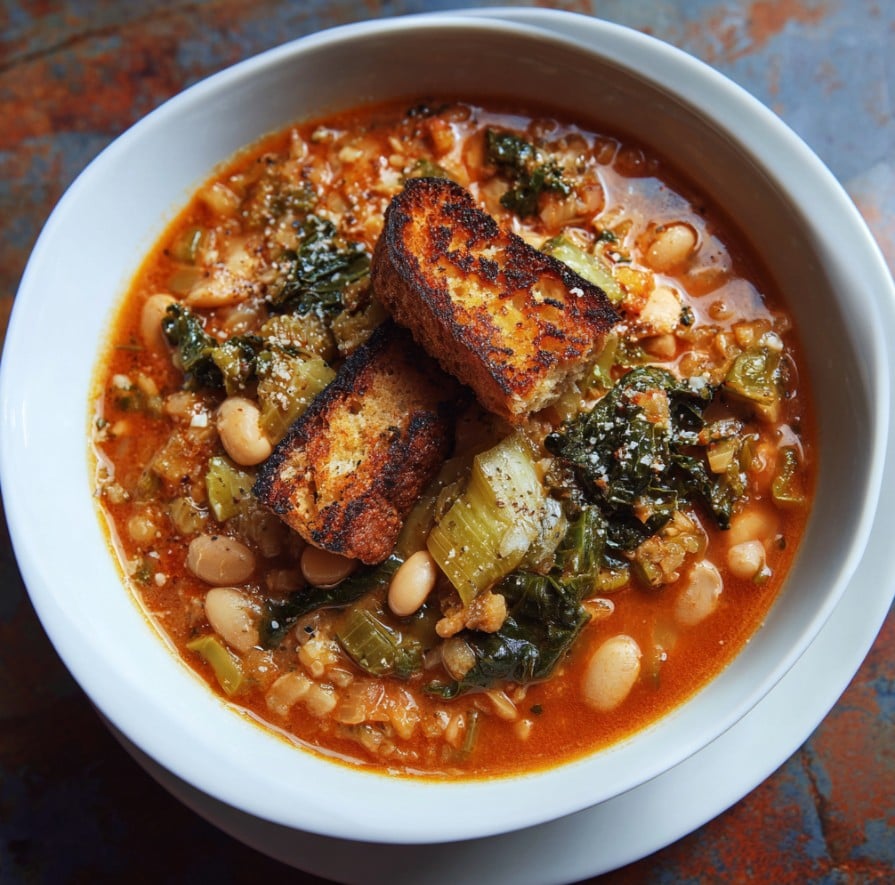
Ribollita is a classic Italian soup that comes from the Tuscany region of Italy. It began as a way for families to use up leftover bread and vegetables, and over time it became a beloved dish in its own right. The name means “reboiled,” because the soup is traditionally cooked, cooled, then cooked again to deepen the flavor. Ribollita usually includes ingredients like cabbage, beans, carrots, onions, and stale bread, all simmered together into a rich, thick texture that feels filling and satisfying.
People appreciate Ribollita for its honest, simple roots and its connection to Italian home cooking. It reflects a long tradition of making good food from humble elements found in the kitchen. In Italy, this soup is often served in colder months, and its mix of fiber, protein, and vegetables makes it both comforting and nourishing. For those learning about Italian cuisine, Ribollita is a great example of how everyday food can become a memorable part of regional culture and history.
#19 – Cannoli

Cannoli are a well‑known Italian treat that originally come from Sicily. They are made of tube‑shaped shells of fried pastry filled with a sweet, creamy filling. The traditional filling is made from ricotta cheese mixed with a bit of sugar and sometimes a touch of citrus or bits of chocolate. Cannoli range in size, and many places will add toppings like chopped pistachios, powdered sugar, or small chocolate chips at the ends for extra taste and texture.
People around the world enjoy Cannoli because they combine a crunchy shell with a smooth, sweet center that feels satisfying without being too heavy. They are often served at celebrations and holidays in Italy, and many bakeries outside Italy have made them a staple dessert too. For those who love Italian food, Cannoli offers a clear example of how regional recipes can become favorites far beyond their place of origin, bringing a bit of history and flavor to any table.
#18 – Focaccia
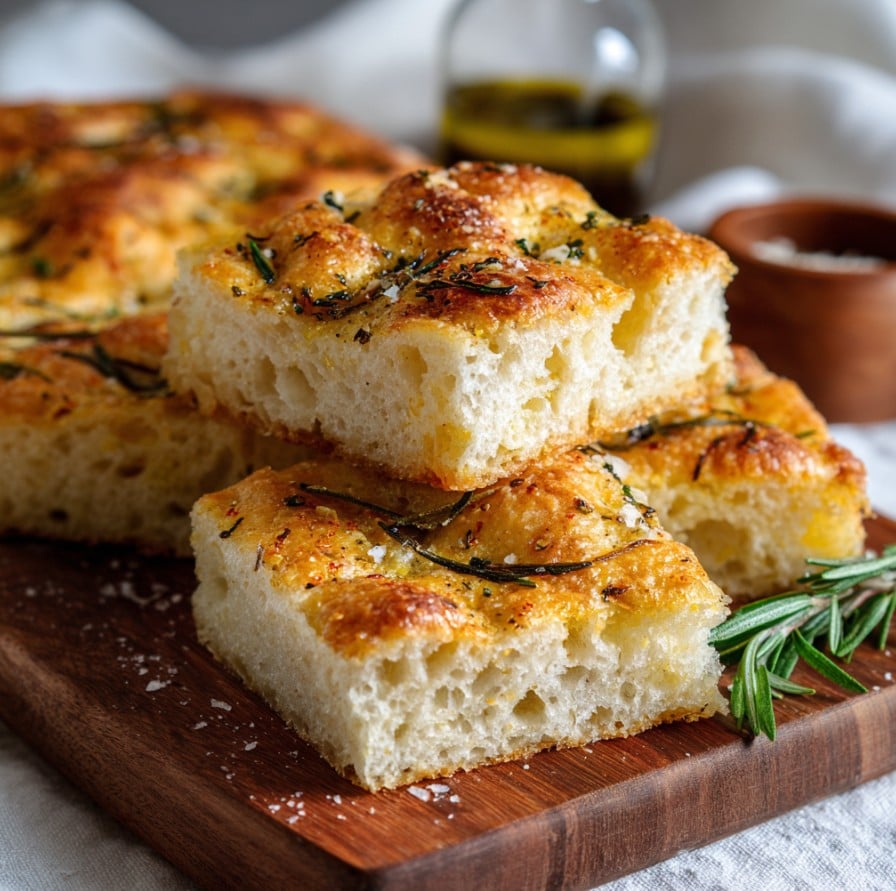
Focaccia is a popular Italian flatbread that comes from the Liguria region, especially around the city of Genoa. It is made from a dough similar to pizza but baked in a pan so it stays thicker and softer. Focaccia often has dimples on the top that hold olive oil and a sprinkle of salt, which help give it a rich taste and satisfying texture. Bakers sometimes add herbs like rosemary or toppings such as olives or tomatoes to give each version its own flavor.
Many people like Focaccia because it is simple yet full of taste. It can be served on its own as a snack, used to make sandwiches, or paired with soups and salads. Its wide appeal comes from its versatility and comforting feel, making it a go‑to choice in bakeries and homes alike. As part of Italian food culture, Focaccia shows how basic ingredients like flour, oil, and salt can turn into something beloved around the world.
#17 – Osso Buco
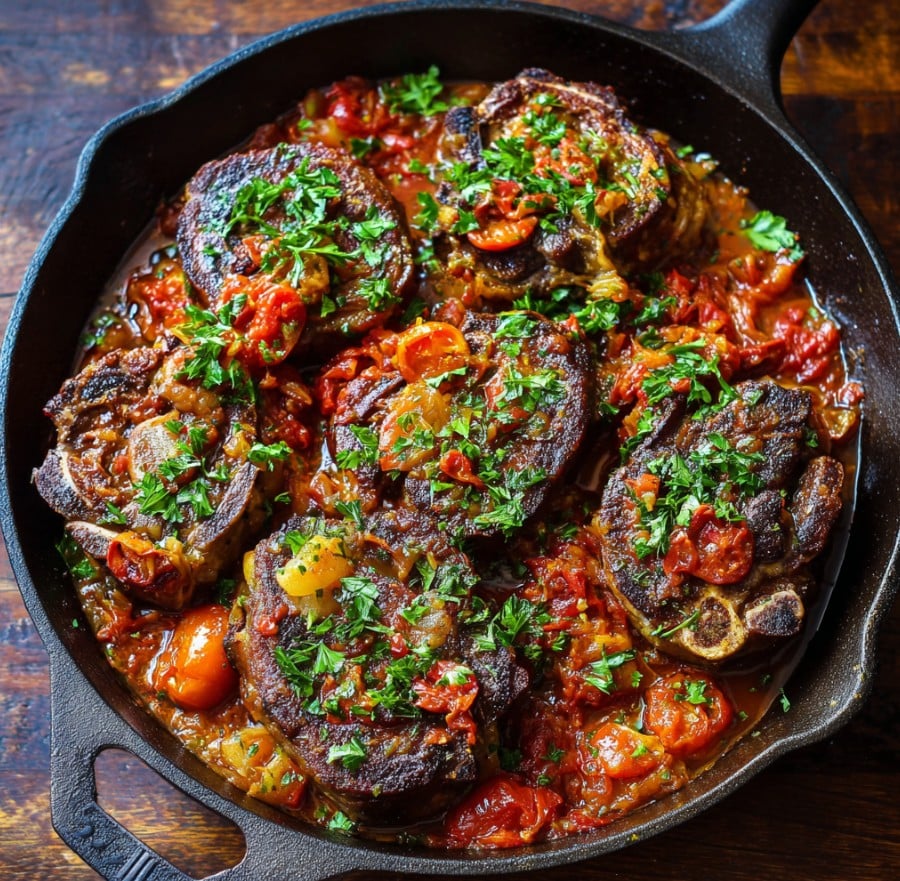
Osso Buco is a classic Italian dish that comes from Milan in the northern region of Lombardy. The name means “bone with a hole,” referring to the cross‑cut veal shanks that are cooked slowly so the meat becomes very tender and flavorful. The marrow in the bone adds a rich depth to the dish as it cooks. Osso Buco is often simmered in a mix of broth, white wine, and aromatic vegetables, creating a hearty meal that pairs well with creamy sides like risotto or polenta.
This dish is popular because it turns tough cuts of meat into something soft, rich, and satisfying. It has a long tradition in Italian cooking as a special meal for gatherings or weekend dinners, where slow cooking brings out the best in its flavors. Osso Buco stands out in Italian cuisine for its depth of taste and its connection to regional cooking styles, making it a favorite for people wanting a classic, comforting dish with authentic roots.
#16 – Pesto alla Genovese
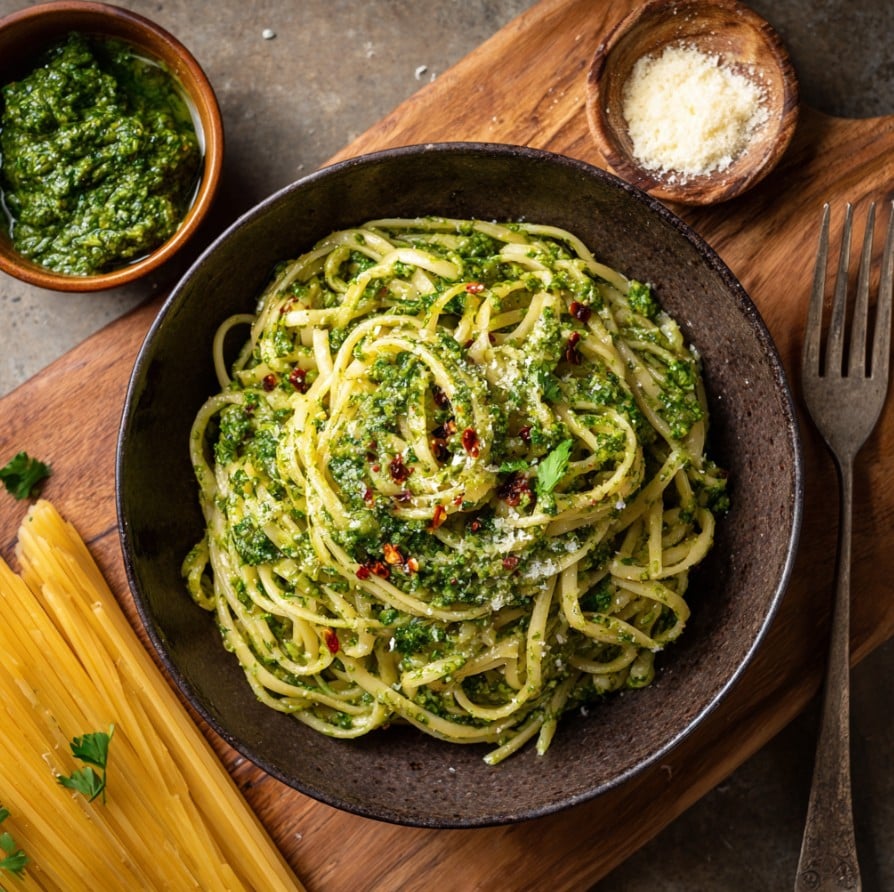
Pesto alla Genovese is a famous Italian sauce that comes from Genoa in the Liguria region. It is made by blending fresh basil, pine nuts, garlic, olive oil, and cheese into a fragrant, green paste. This sauce is commonly served with pasta, but it can also be added to potatoes, vegetables, or bread. The local basil grown near Genoa gives Pesto alla Genovese its distinctive taste and aroma, making it instantly recognizable.
Many people enjoy this sauce because it delivers bold flavor while remaining simple to prepare. Its combination of fresh ingredients highlights the strength of Italian cooking, showing how basic elements can create something memorable. Pesto alla Genovese has become popular worldwide and is often seen in home kitchens and restaurants. Its versatility and bright taste make it one of the most loved sauces in Italian cuisine.
#15 – Polenta
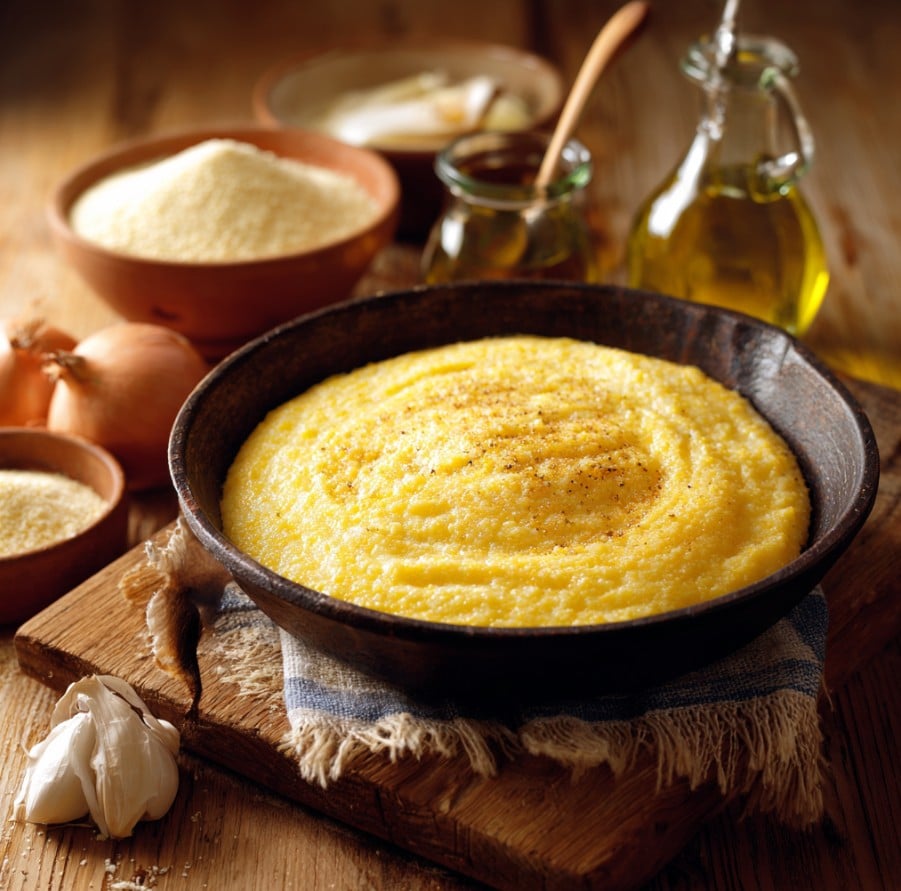
Polenta is a traditional Italian dish made from coarsely ground cornmeal cooked in water or broth until it becomes soft and thick. It has been a staple in northern Italy for centuries, especially in regions like Lombardy and Veneto, where maize became common in the 16th century. Polenta can be served soft and creamy right after cooking or left to cool and firm up before being sliced and grilled or fried. It has a mild, comforting taste that pairs well with sauces, meats, vegetables, and cheeses.
People like polenta because it is simple, filling, and flexible. It can be a base for rich sauces or a side dish on its own. In Italy, it is often enjoyed in family meals and local trattorias, bringing a sense of tradition to the table. Outside Italy, polenta has gained attention in many kitchens for its ease of preparation and ability to adapt to different flavors.
#14 – Bolognese

Bolognese is a well‑known Italian meat sauce that comes from Bologna in the Emilia‑Romagna region of Italy. Traditionally called ragù alla Bolognese, it is made with ground meat, soffritto (onion, carrot, celery), wine, and a small amount of tomato. The sauce is cooked slowly so the flavors blend and become rich and deep. It is most often served with broad pasta shapes, like tagliatelle, that hold the sauce well. In Italy, this recipe is treated with care and is linked closely to the food culture of Bologna and its long‑standing cooking traditions.
Many people around the world know Bolognese sauce because of its hearty, comforting taste and the way it pairs with pasta. It has become a popular choice in both home cooking and restaurant menus. Home cooks often turn to Bolognese when they want a filling meal that feeds a crowd with familiar, satisfying flavors. Its roots in regional Italian cooking have helped it remain a favorite in many kitchens.
#13 – Bistecca alla Fiorentina
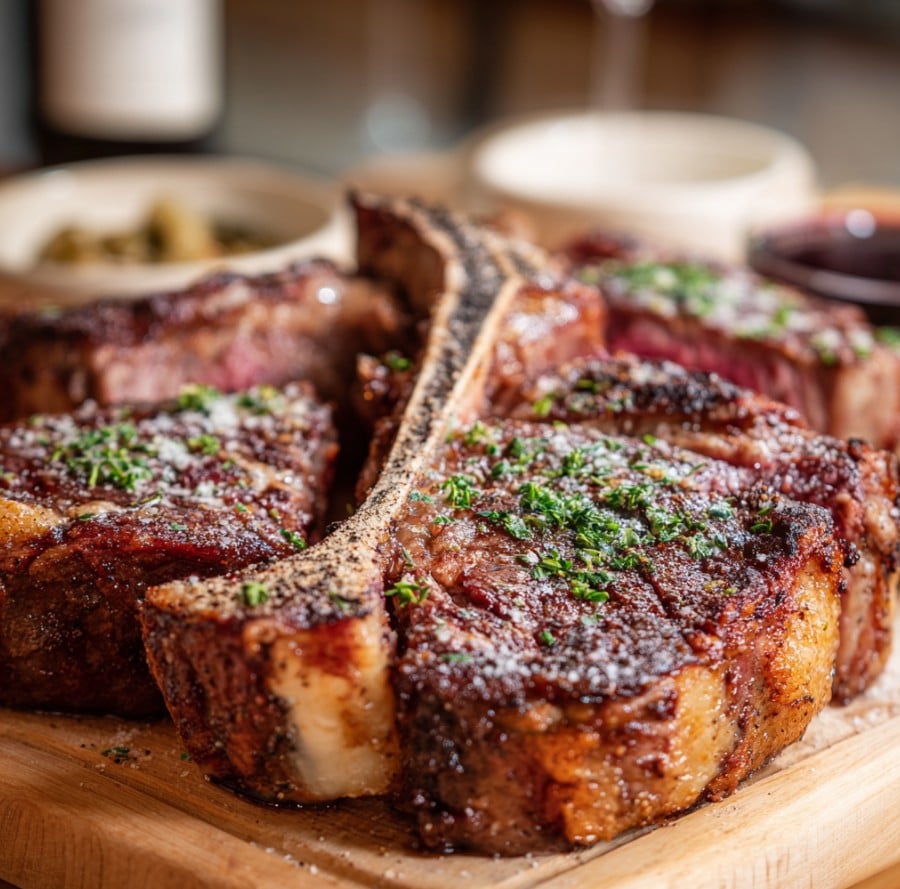
Bistecca alla Fiorentina is a classic Italian steak from the Tuscany region, especially around Florence. It is made from a thick T-bone cut, traditionally from the Chianina breed, known for its lean and flavorful meat. The steak is usually very large and grilled over hot coals with minimal seasoning to highlight the natural taste of the beef. After cooking, it is finished with salt, pepper, and a drizzle of olive oil, giving it a simple yet rich flavor that has made it famous across Italy and beyond.
This dish is popular because it emphasizes quality ingredients and traditional preparation methods. In Tuscany, Bistecca alla Fiorentina is often shared among diners, making it a social and memorable meal. Its combination of tenderness, size, and authentic flavor has helped it remain one of the most iconic Italian meat dishes enjoyed by both locals and visitors.
#12 – Minestrone Soup

Minestrone Soup is a traditional Italian dish that dates back to ancient times and is known for its hearty mix of vegetables, beans, and sometimes pasta or rice. The name comes from the Italian word minestra, which means “soup,” and it varies widely from region to region based on what ingredients are fresh and available. Common vegetables include carrots, onions, celery, and tomatoes, with beans adding substance and nutrition. Many versions also use seasonal greens and herbs to give the soup a satisfying and wholesome taste.
People enjoy Minestrone Soup because it feels both simple and nourishing. It is often served as a first course or a light main meal, and its flexibility makes it a favorite year‑round. In Italy, soups like this one reflect a long tradition of using fresh ingredients and minimizing waste. Minestrone has become popular in homes and restaurants because it offers a clear taste of Italian home cooking that is easy to prepare and enjoy.
#11 – Caprese Salad

Caprese Salad is a simple Italian dish that comes from the island of Capri. It is made with fresh slices of mozzarella cheese, ripe tomatoes, and fresh basil leaves, often finished with a drizzle of olive oil and a pinch of salt. The ingredients are laid out in a way that highlights their natural colors and textures, making the salad both visually appealing and refreshing. Caprese Salad became popular in the early 20th century and is now served in homes and restaurants throughout Italy and beyond.
People enjoy Caprese Salad because it feels light, fresh, and easy to make with just a few quality ingredients. It is often served as a starter or a side dish, especially in warmer months when fresh produce is at its best. Its simplicity lets each element shine while giving a clear taste of Italian style cooking that focuses on freshness and balance. Caprese Salad remains a favorite choice for those seeking a bright, uncomplicated dish.
#10 – Gelato

Gelato is a style of frozen dessert that comes from Italy and is known for its smooth texture and rich taste. It is made with milk, sugar, and flavorings such as fruit, chocolate, or nuts. Compared with many other frozen desserts, gelato is churned more slowly so it contains less air, which helps it feel denser and creamier. It is often served at a slightly warmer temperature than ice cream, which makes the flavors easier to taste.
People enjoy gelato because it offers a satisfying but not overly heavy treat that works well in many flavors and styles. In Italy, gelato shops are common gathering spots where people stop for a cool treat during a walk or after a meal. Outside Italy, gelato has become popular around the world in both standalone shops and restaurants, with many taking inspiration from traditional Italian methods. Its broad range of flavors and smooth quality help explain why gelato remains a well‑liked dessert choice.
#9 – Bruschetta

Bruschetta is a traditional Italian starter from the central regions, particularly Tuscany and Umbria. It consists of slices of bread that are toasted or grilled and topped with fresh ingredients such as ripe tomatoes, garlic, olive oil, and salt. The bread absorbs the flavors of the toppings, creating a simple yet flavorful bite that highlights the quality of the ingredients.
Bruschetta is appreciated for its balance of textures and freshness. The crisp bread combined with juicy tomatoes and aromatic olive oil makes each bite satisfying without being heavy. It is commonly served as a starter or part of a small plate selection, making it a versatile addition to meals. This dish represents the Italian approach to cooking, where simplicity and attention to ingredient quality create memorable flavors that are easy to enjoy.
#8 – Cacio e Pepe

Cacio e Pepe is a classic Italian pasta dish that comes from Rome. Its name means “cheese and pepper,” which describes its two main ingredients. The dish is made by tossing hot pasta with finely grated Pecorino Romano cheese and cracked black pepper. As the cheese melts and mixes with a bit of reserved pasta water, it forms a creamy sauce that clings to each strand. The result is a simple plate with bold, salty, and spicy notes that feel balanced and satisfying.
People like Cacio e Pepe because it is straightforward but rich in flavor. It does not rely on many ingredients, yet it delivers a memorable taste because of how the cheese and pepper work together with the pasta. Its simplicity highlights a core idea in Italian cooking, where using quality components and proper technique makes a big difference. Cacio e Pepe remains a favorite for anyone who enjoys pasta that feels timeless and true to its regional roots.
#7 – Tiramisu
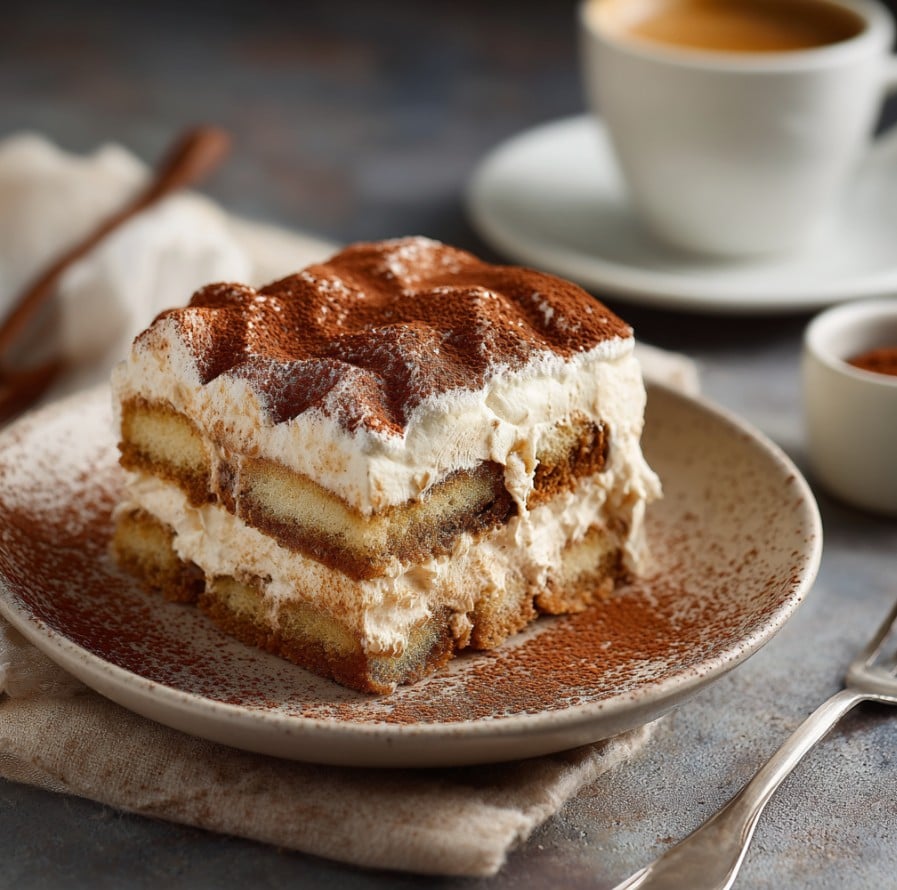
Tiramisu is a well-known Italian dessert that comes from the Veneto region. It is made with layers of ladyfinger cookies soaked in coffee, combined with a creamy mixture of mascarpone cheese and eggs, and topped with cocoa powder. The dessert is chilled to allow the flavors to blend, giving it a smooth, satisfying taste and a light texture.
This dessert is loved for the way the coffee and cream balance each other. Each bite offers a mix of sweetness and richness that feels familiar and comforting. Tiramisu is often served during meals or celebrations, and its clear flavors have helped it remain a favorite across Italian cuisine. It is an example of how a few simple ingredients, prepared with care, can create a dessert that continues to be enjoyed for generations.
#6 – Gnocchi

Gnocchi are small, soft dumplings that are a traditional part of Italian cuisine. They are usually made from potatoes mixed with flour and a bit of egg, which gives them a tender texture once cooked. After boiling, gnocchi are often paired with simple sauces that add flavor without covering up the soft, pillowy feel of the dumplings. Variations can include spinach, ricotta, or different types of flour, but the idea stays the same: a gentle, comforting base that works well with many different tastes.
Gnocchi are appreciated for their texture and how well they take on sauces. Their softness makes them feel different from traditional pasta, and they are often chosen when a meal calls for something a bit more unique but still familiar. This dish continues to be a staple in Italian kitchens, celebrated for its versatility and the comforting feel it brings to the table.
#5 – Arancini

Arancini are golden rice balls that come from Sicily in Italy. They are made by shaping cooked rice into a ball or cone around a filling, then coating it with breadcrumbs and frying it until the outside becomes crisp. Traditional fillings often include meat sauce, peas, or cheese, giving each bite a mix of satisfying textures and savory flavors. The name comes from the Italian word for “little orange,” which describes their round shape and color after frying.
These rice balls are enjoyed because they combine a crunchy exterior with a soft, flavorful center. They are often served warm and can be found at markets, celebrations, or as a hand‑held snack that works for many occasions. Arancini shows how Italian cooking can turn humble ingredients like rice into something special that appeals to many tastes.
#4 – Risotto

Risotto is a rich Italian rice dish that comes from northern Italy, especially regions like Lombardy and Piedmont. It is made with a special short‑grain rice, such as Arborio or Carnaroli, that releases starch as it cooks. The rice is slowly cooked in broth and stirred often so it becomes creamy while still holding a firm texture. Common additions include onions, white wine, cheese, and butter, which build layers of flavor without overwhelming the dish.
This dish is appreciated because it feels both smooth and satisfying on the palate. The slow cooking and gentle stirring help the rice absorb flavor and develop its signature creamy texture. Risotto is often served as a main course or a first plate, and it works well with a variety of ingredients like mushrooms, seafood, or simple herbs. Its balanced taste and comforting feel have made it a go‑to for those who enjoy classic Italian cooking that highlights technique and ingredient quality.
#3 – Carbonara

Carbonara is a classic Italian pasta dish that comes from Rome. It is made with simple ingredients like eggs, hard cheese (usually Pecorino Romano), cured pork (such as guanciale or pancetta), and black pepper. The heat from the just‑cooked pasta gently cooks the eggs, creating a silky sauce that clings to each strand without using cream. This method gives carbonara its smooth texture and rich, savory flavor.
This pasta is loved for how its few ingredients come together to make a satisfying meal. The salty, crisp bits of cured pork balance with the creamy sauce and peppery finish to create a distinct taste that stands out. Carbonara is often served as a main dish and is chosen by those who enjoy pasta that feels hearty yet straightforward. Its strong connection to Roman tradition and its timeless appeal have helped it remain one of the most popular pasta dishes in Italian cuisine.
#2 – Lasagna

Lasagna is a well‑known Italian baked dish made with layers of flat pasta sheets, sauce, cheese, and often meat or vegetables. The sauce commonly used is a rich meat and tomato sauce that is cooked slowly to develop deep flavor. Between the layers, cheeses like ricotta and mozzarella add creaminess, while the pasta gives structure. Once assembled, the dish is baked until bubbling and lightly browned on top, creating a hearty meal that brings together familiar tastes and textures.
This layered pasta dish is enjoyed because it feels filling and satisfying and works well for gatherings or family dinners. Each layer contributes to a balance of flavors that makes lasagna feel complete and comforting. It is often prepared ahead of time so the flavors can meld before serving. With its mix of pasta, sauce, and cheese, lasagna has become a favorite choice for anyone looking for a classic Italian meal that brings warmth and full flavor to the table.
#1 – Pizza Margherita

Pizza Margherita is a classic Italian dish that originated in Naples, Italy. It is made with a thin crust topped with tomato sauce, fresh mozzarella cheese, and basil leaves. The colors of the ingredients are said to reflect the Italian flag. The dough is usually hand‑stretched and baked in a very hot oven so the crust becomes slightly charred and chewy around the edges. Simple ingredients are used to let each one stand out in every bite.
This pizza is known for its clear, balanced taste that does not rely on heavy toppings or complex preparation. It is often chosen when someone wants a straightforward pizza that highlights good tomatoes, quality cheese, and fresh basil. Because of its long history and strong connection to Naples, Pizza Margherita is often seen as a benchmark for traditional Italian pizza. Many pizza makers use it as a base before adding other toppings or variations. Its timeless flavor and simple, classic style make it the top choice for anyone who loves Italian food.

Can’t see recipes.
Thanks, Delynn. We’ll do our best to get the recipes posted for you.
Could I get the recipes also.
lovejade4444@gmail.com
I haven’t heard of all of these but three really surprised me they made the list. For myself Chock full of nuts, Dunkin and definitely Peets. I used to be in monthly or every other month coffee club from Boca Java if you haven’t tried them you might want to they’re really good they have all kind of roast from light to very dark also flavored and decaf and you could get it occasionally or in one of their club type offers
There aren’t any recipes .
Thanks for letting us know, Peggy. We’ve noted it and will update with recipes soon.
No recipes
Noted, Phyllis. We’re working on adding the recipes soon.
Are there any Gluten Free options? I’m allergic to wheat! Thank you!
Thank you for asking, Julie! We’ll try to include a few gluten-free items, and there are also variations available online.
Great selection. Can I get the recipes. Thank you
Thanks, Sharon! We’re working on adding the recipes and will share them soon.
Please send receipes..
Recipes are coming in an upcoming update. Thank you!
Please forward the recipes
Thanks for reaching out, Gail. The recipes will be included in a future update.
Hi Brian,
Would love to have these recipes.
Thanks
Hi Val, thanks for your comment! We’ll be adding the recipes soon, so please stay tuned.
Where are your Recipe’s
Appreciate the question, Tim! Recipes will be included shortly.
Hi, can you please post the recipes. I make several of these recipes. I would like to see your recipes.
Thank you, Gloria! We’re working on including the recipes shortly.
Where can the recipes be found?
Appreciate you asking, Gail! We’re working on adding the recipes, but until then, you might find similar versions online.