

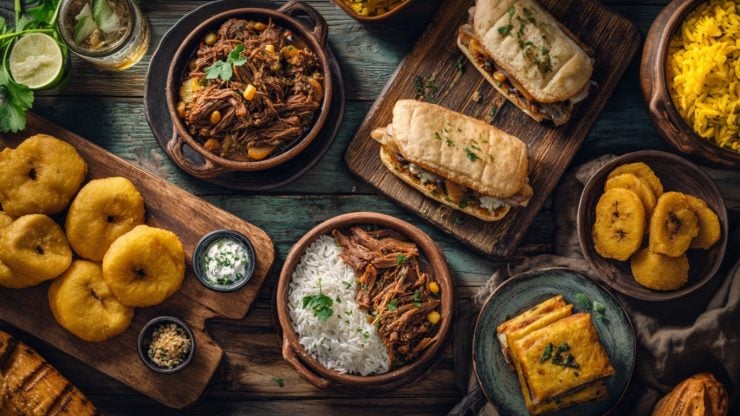
Cuban food is shaped by history, family traditions, and strong home cooking. In this guide to the best Cuban foods, we’re highlighting the dishes that have defined everyday meals for generations. Cuban cuisine blends Spanish, African, and Caribbean influences, creating a style of cooking that feels both hearty and deeply rooted in culture. It relies on simple ingredients like rice, beans, pork, beef, plantains, and citrus, all prepared with careful seasoning and time-tested methods.
Meals are often filling, well-seasoned, and meant to be shared around the table. The cooking techniques are straightforward, but the results are rich and satisfying. Over time, these dishes have built a loyal following both within Cuba and in Cuban communities abroad. This guide will show the Cuban meals that are most enjoyed and highlight why they remain an important part of the country’s culture.
#25 – Boliche
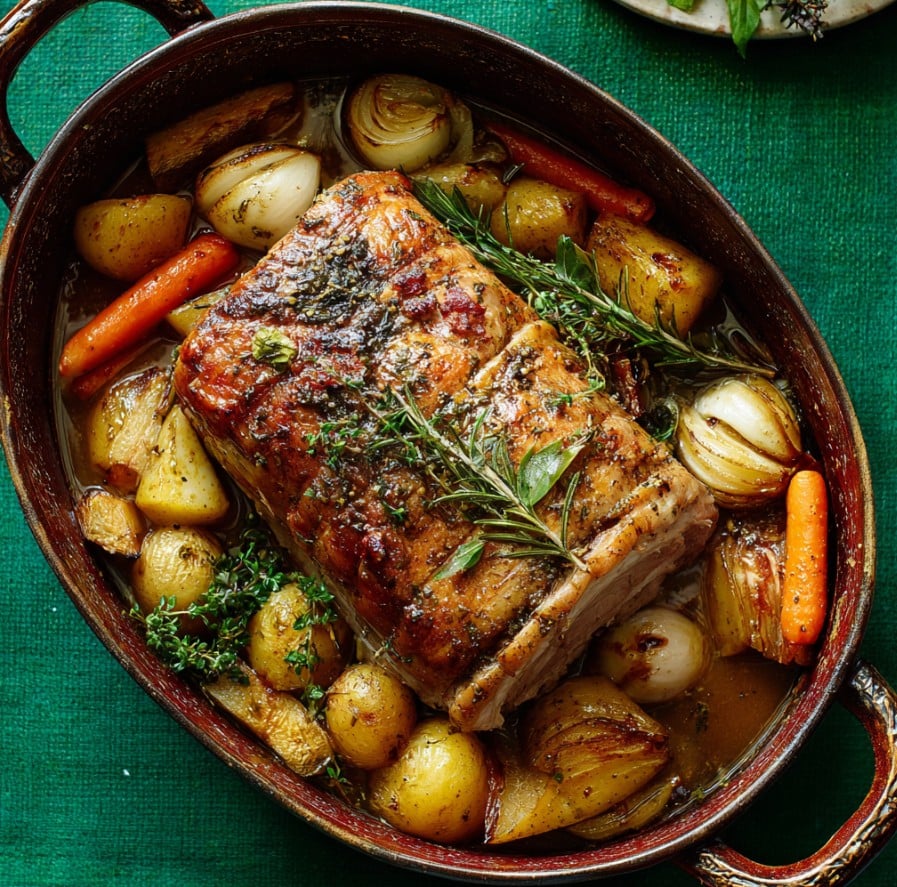
Boliche is a traditional Cuban pot roast known for its rich, savory flavor. It features a beef roast, usually eye of round, that is stuffed with ham or cured meats and then browned before slow-cooking in a broth with onions, garlic, and spices. This method lets the juices from the filling blend with the beef, creating a tender, flavorful dish. Potatoes and other vegetables are sometimes added toward the end of cooking to absorb the savory sauce. Boliche is typically served with white rice, black beans, or fried plantains, making it a balanced and hearty meal.
Its popularity comes from being both comforting and practical. The dish can feed several people and is often prepared for family gatherings or special occasions. The combination of slow-cooked beef with a flavorful ham filling gives it a unique taste that keeps it a favorite in Cuban cuisine. Its preparation highlights the influence of Spanish cooking techniques on Cuban food.
#24 – Arroz con Huevo
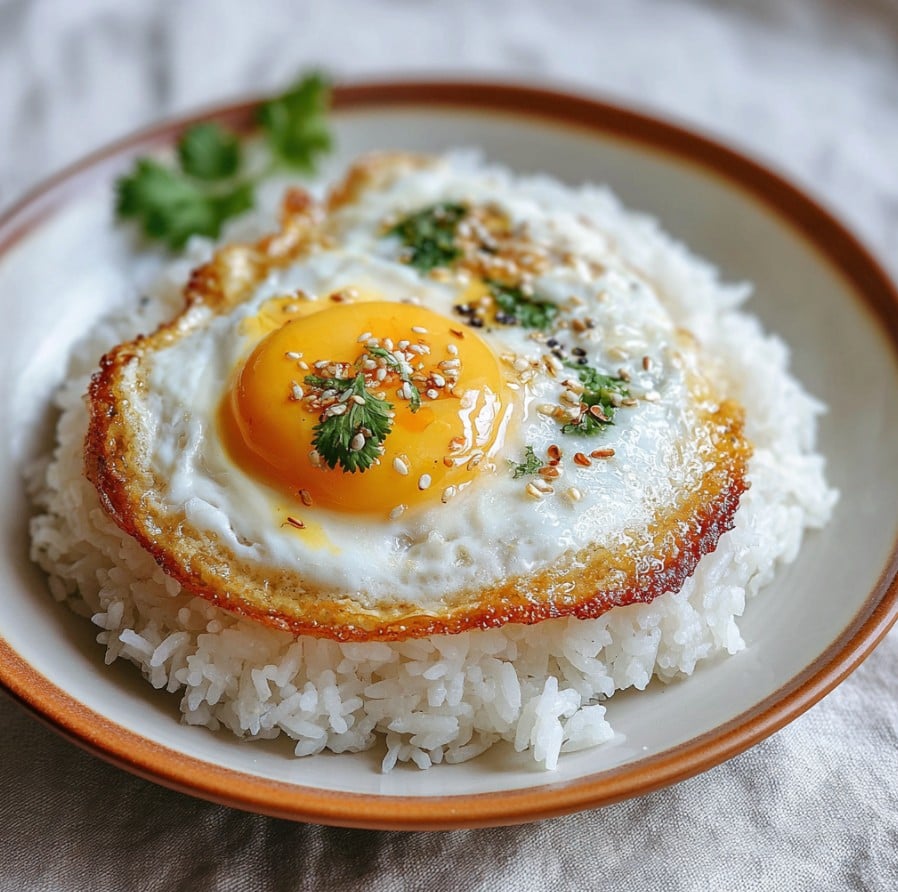
Arroz con Huevo is a simple Cuban dish that pairs fluffy white rice with fried eggs on top. In Cuba, rice is a staple at most meals, and adding eggs turns it into a filling breakfast or quick dinner. The eggs are usually fried until the whites are set and the yolks are still soft, but some cooks prefer them fully cooked. The dish is often seasoned with a bit of salt, and people sometimes add a splash of vinegar or hot sauce for extra taste. It can be served alongside beans, plantains, or shredded meat to make a more complete plate.
Many families serve Arroz con Huevo when they want a meal that is ready in minutes using ingredients that are already on hand. Its simplicity does not take away from its appeal, especially for people who enjoy straightforward, well‑seasoned food without fuss. Arroz con Huevo reflects the everyday eating habits in Cuban homes where good food does not have to be complicated.
#23 – Frita Cubana

Frita Cubana is a classic Cuban hamburger that brings together seasoned ground beef and pork on a soft, round bun. The meat is mixed with spices like paprika, garlic, and onion before being formed into a thin patty and grilled or pan‑fried. What sets this sandwich apart is its topping of shoestring potatoes, which add crunch and texture to every bite. Some versions include a light sauce made with ketchup and spices, giving the Frita a slightly tangy finish.
This sandwich became popular because it is filling, easy to eat on the go, and packed with balanced taste. Locals often choose a Frita when they want a quick lunch that still feels hearty and satisfying. Its blend of meat, potatoes, and bread has made it a memorable part of Cuban food culture that people enjoy far beyond its place of origin.
#22 – Pernil
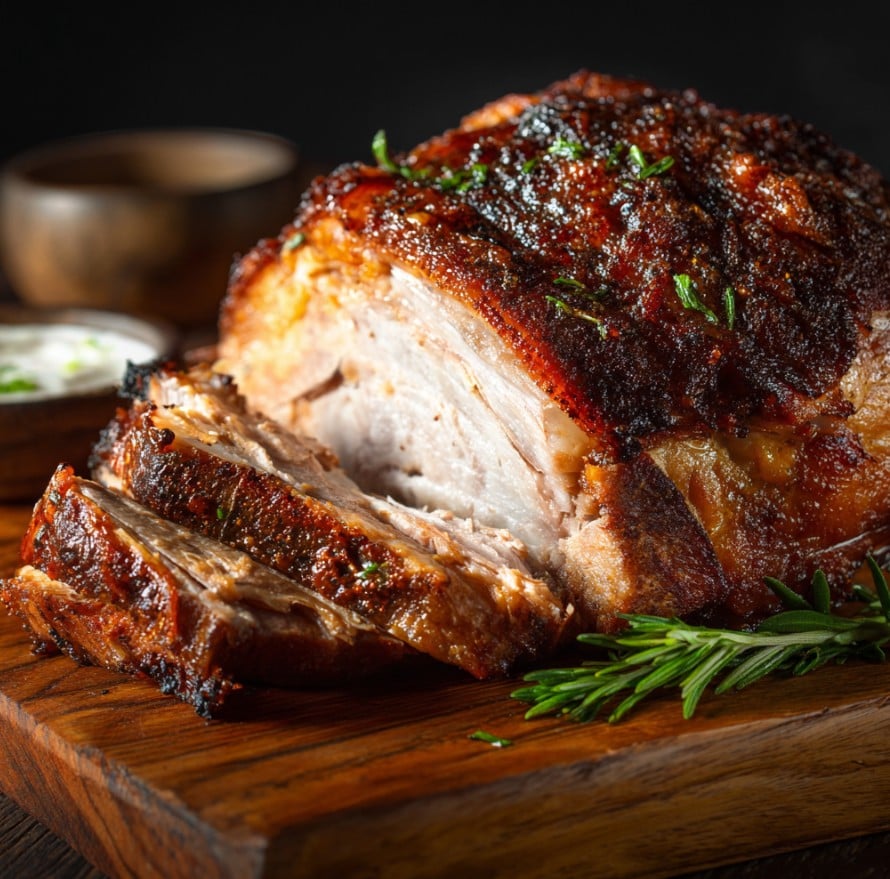
Pernil is a Cuban roast pork dish that has become a staple at family meals and celebrations. The pork, usually from the shoulder or leg, is rubbed with garlic, salt, oregano, and citrus juices before being roasted slowly until the meat is tender and the skin becomes crispy. This long cooking process helps the flavors soak deep into the meat while keeping it juicy. When served, Pernil is often shredded or sliced and placed on a plate alongside rice and beans. People also use the meat to make sandwiches or pair it with fried plantains for a complete meal.
It takes time to prepare, but the result is a crowd‑pleasing main course that fills a room with aroma and draws people to the table. In many Cuban homes, Pernil is the centerpiece for gatherings and family meals, making it a symbol of comfort and shared tradition in Cuban cooking.
#21 – Rabo Encendido
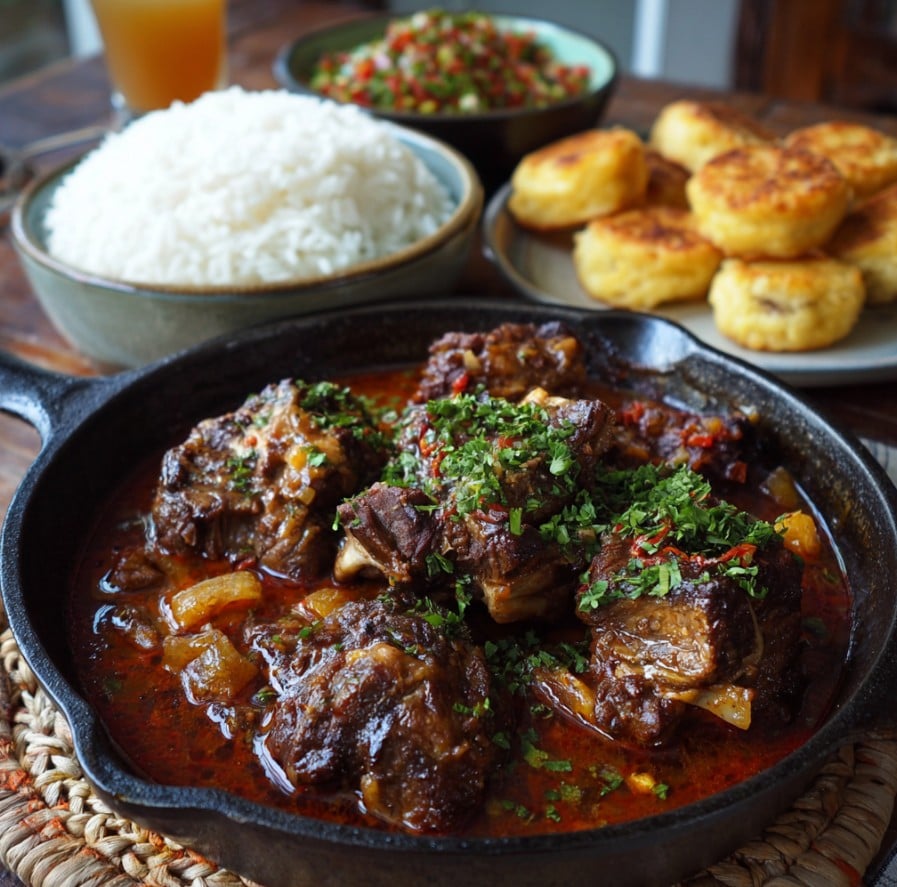
Rabo Encendido is a rich Cuban oxtail stew that has earned a strong place in Cuban kitchens. The dish features oxtails cooked slowly in a sauce made from tomatoes, onions, garlic, bell peppers, and a mix of seasonings. As the oxtail simmers over low heat, the meat becomes tender and begins to fall off the bone while the sauce thickens and deepens in flavor. Many cooks add a splash of dry red wine or vinegar to give the sauce a slight tang that balances the natural richness of the oxtail. When served, Rabo Encendido is usually paired with white rice or black beans to help soak up the savory sauce.
This dish is well‑liked because it turns a tougher cut of meat into something hearty and satisfying through slow cooking and seasoning. The process takes time, but the result is a meal that feels substantial and full of character. Rabo Encendido is often prepared for gatherings or weekends when there’s time to let the flavors develop.
#20 – Ajiaco Cubano
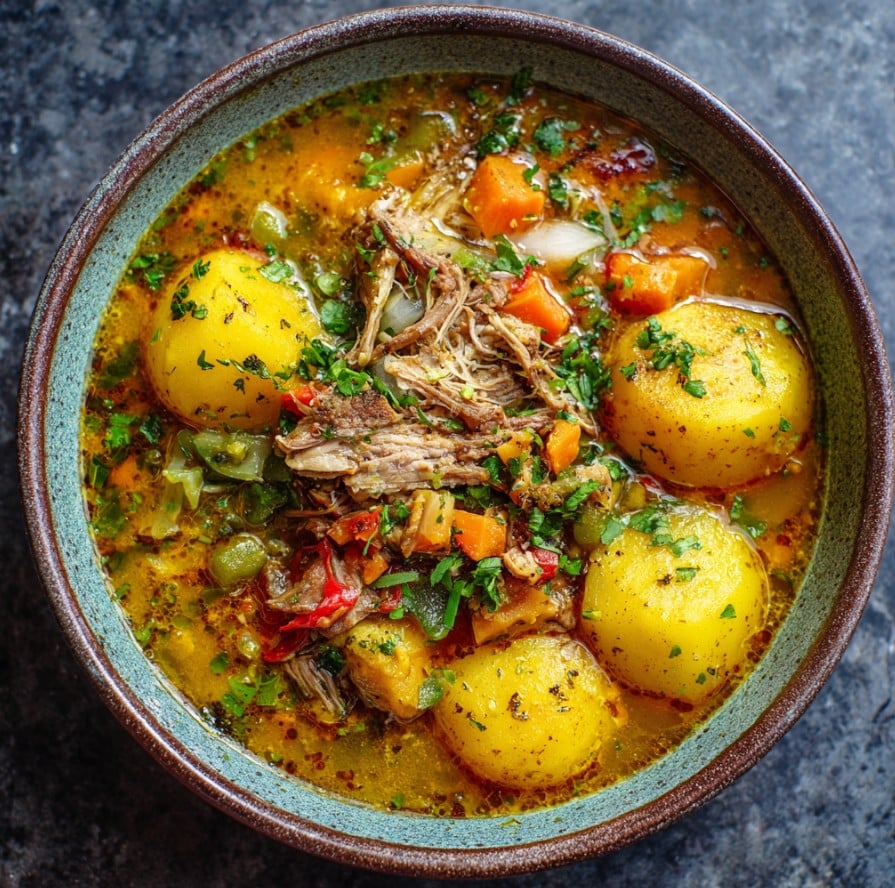
Ajiaco Cubano is a traditional Cuban stew known for its mix of meats and root vegetables in a rich, seasoned broth. The dish often includes pork, beef, and sometimes chicken, along with staple ingredients like yucca, malanga, potatoes, and plantains. These ingredients cook slowly together, which lets the flavors blend and gives the broth a deep, comforting taste. Herbs and spices like garlic, oregano, and bay leaf help define the savory profile without overpowering the natural flavors of the meats and vegetables. Ajiaco is usually served in a bowl with a side of white rice, making it a filling and balanced meal.
People value Ajiaco Cubano because it reflects the way Cuban cooks make the most of simple ingredients. Its mix of meats and vegetables makes it both hearty and complete, so one pot can feed a whole family. The long cooking time makes the meats very tender and lets the broth become rich and satisfying. As a result, Ajiaco remains a beloved choice for Sunday lunches and cooler days when a comforting pot of stew hits the spot.
#19 – Pastelitos de Guayaba

Pastelitos de Guayaba are a popular Cuban pastry made with flaky dough and sweet guava filling. The dough is layered and folded to create a light, buttery texture that holds up well during baking. Inside, guava paste offers a fruity, slightly tangy sweetness that pairs nicely with the crisp exterior. These pastries can be shaped in different ways, often folded into triangles or rectangles, and sometimes a thin strip of cream cheese is added with the guava for a richer flavor contrast. Many people sprinkle a little sugar on top to add a mild crunch and light sweetness.
People enjoy Pastelitos de Guayaba because they are easy to eat by hand and have a balanced mix of fruit and pastry. They are commonly served for breakfast or as a snack with coffee or milk. Cuban bakeries and home cooks alike make these pastries, and their consistent appeal comes from the familiar taste of guava combined with tender, layered dough. Pastelitos have become one of the more recognizable sweet treats in Cuban cuisine.
#18 – Masitas de Puerco
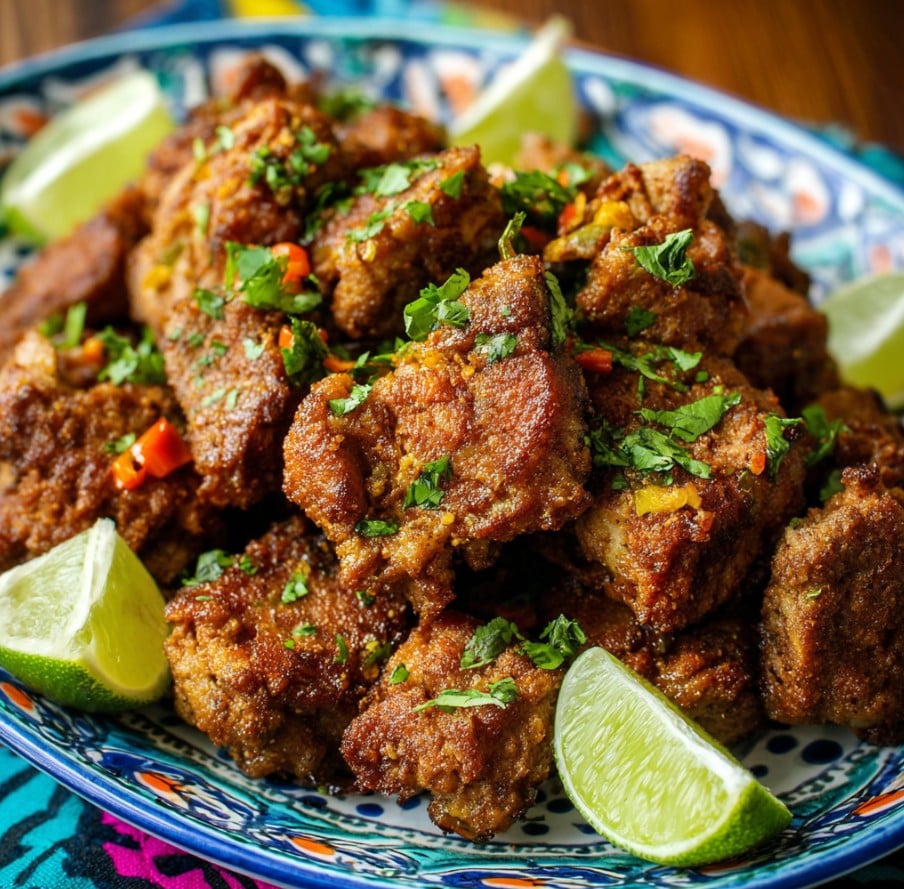
Masitas de Puerco is a Cuban pork dish made from small chunks of pork that are marinated and then cooked until the outside is browned and the inside stays tender. The marinade usually includes citrus juices such as sour orange or lime, garlic, oregano, and other seasonings to enhance flavor and help tenderize the meat. After marinating, the pork is fried in oil until it develops a crisp exterior while remaining juicy inside. This contrast of textures makes the dish satisfying on its own or served with rice, beans, and plantains for a complete meal.
What makes Masitas de Puerco memorable is the way the seasoning and cooking process bring out bold flavors in a simple dish. The citrus and garlic marinade gives the pork a bright, savory taste, while frying ensures a crunchy outside and tender interior. It is a classic example of Cuban home cooking that balances flavor, texture, and heartiness.
#17 – Pan con Lechón
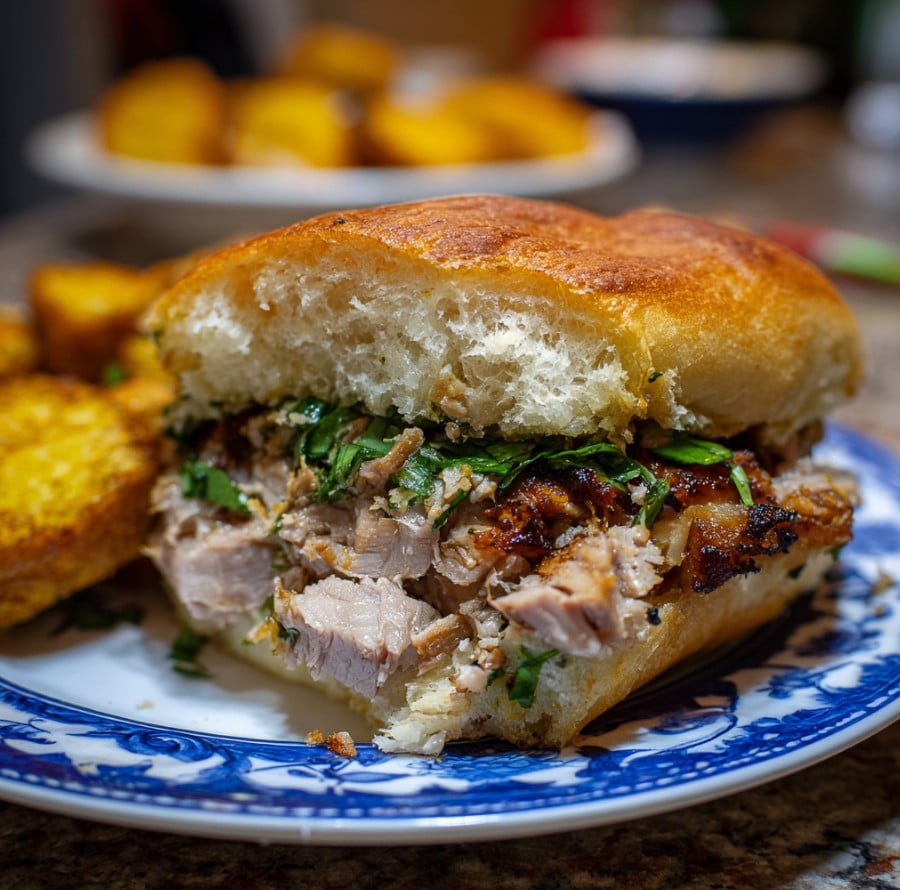
Pan con Lechón is a Cuban sandwich made with slow‑roasted pork that has been seasoned with garlic, citrus, and herbs. The pork is cooked for hours until it becomes tender and easy to pull apart. Once ready, the juicy pork is piled inside a soft Cuban‑style roll and often finished with slices of onion or a light sauce for added taste. The bread holds all of the meat and toppings together, making it easy to eat by hand and a popular choice for lunch or a casual meal.
This sandwich stands out because of its satisfying mix of textures and straightforward, savory flavor. The slow‑roasted pork brings a rich taste that pairs well with the slightly sweet bread and crisp onions. Pan con Lechón reflects the way Cuban cooks use well‑seasoned roasted pork in everyday meals, turning simple ingredients into a memorable dish with broad appeal.
#16 – Arroz Imperial
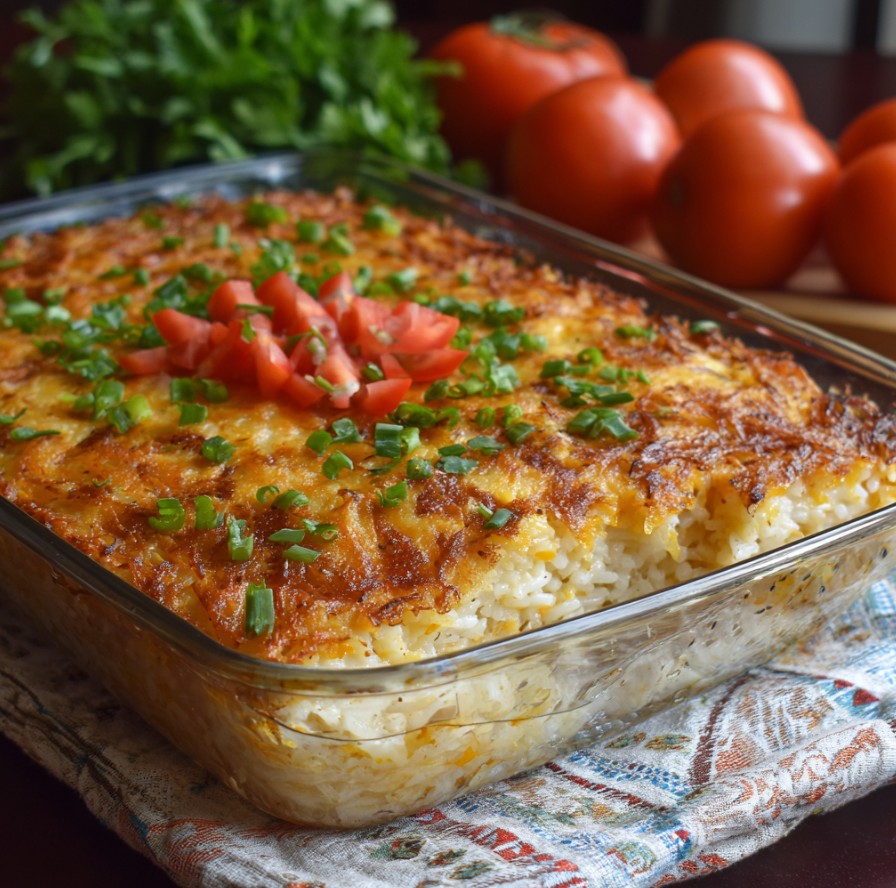
Arroz Imperial is a Cuban casserole that layers rice with seasoned shredded chicken and a creamy sauce before baking until warm and bubbly. The rice is usually cooked first and then spread in a baking dish. Shredded chicken that has been mixed with light seasonings. It is often served with simple sides like a green salad or vegetables that balance the richer main dish.
This casserole is known for being both comforting and filling without being complex to prepare. It brings familiar pantry ingredients together in a way that feels complete and satisfying for family meals. Arroz Imperial remains part of Cuban cooking because it turns everyday staples into a dish that can feed several people with minimal fuss.
#15 – Medianoche
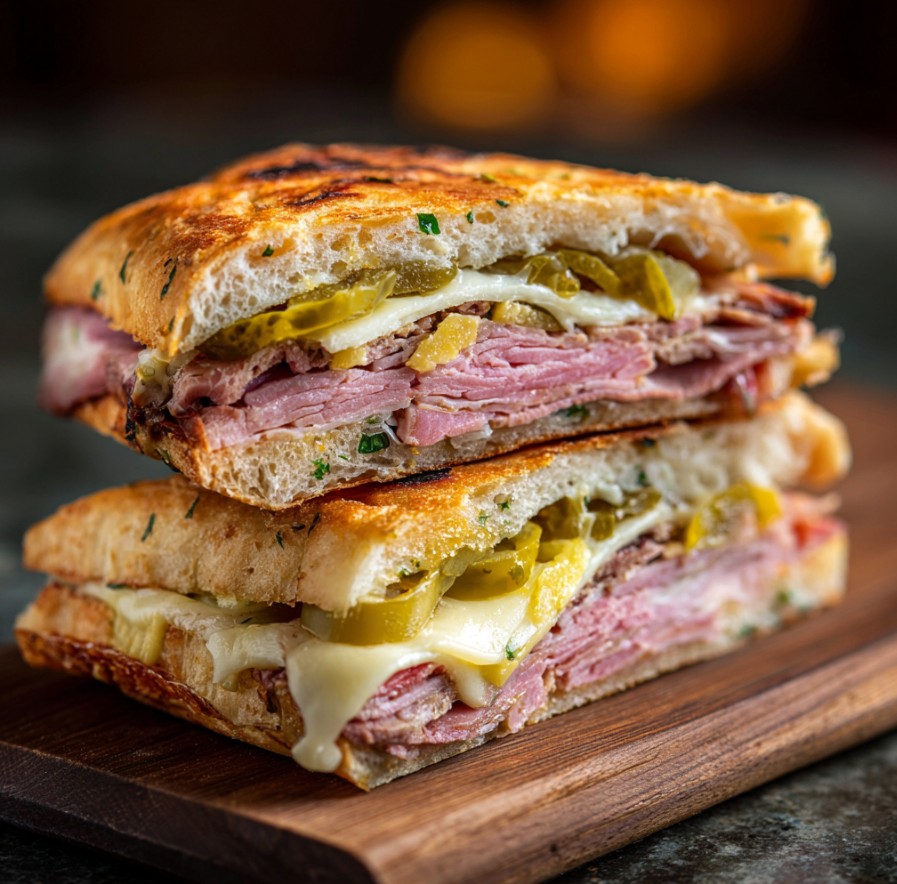
Medianoche is a Cuban sandwich that gets its name from the soft, slightly sweet egg‑based bread it’s served on. The sandwich is typically filled with sliced roast pork, ham, Swiss cheese, pickles, and a light spread of mustard. The sweet bread helps balance the savory fillings, making each bite feel balanced and satisfying. The sandwich is pressed or toasted so the cheese melts and the ingredients heat through, giving it a warm, tender texture that holds up well from first bite to last.
This sandwich is often chosen for late‑night bites or quick lunches because it combines familiar flavors in a handheld meal. The mix of pork and ham with melted cheese and tangy pickles gives Medianoche its recognizable taste that has been embraced in Cuban communities and beyond. Its name and style reflect a Cuban tradition of flavorful and simple sandwiches that work well for meals on the go.
#14 – Tamales Cubanos
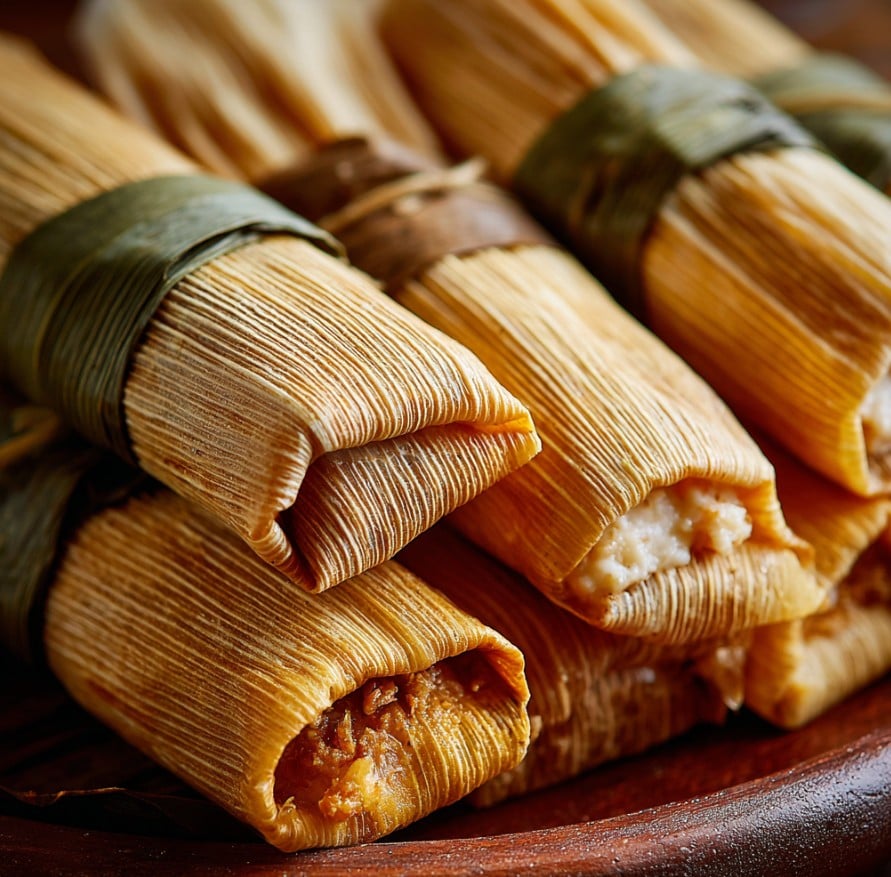
Tamales Cubanos are a Cuban take on tamales made from seasoned corn dough steamed in corn husks. The masa is combined with small pieces of seasoned pork and mild spices so that the meat is evenly distributed throughout the dough. The mixture is then spread onto the husk, folded, and steamed until firm. The result is a soft, slightly grainy tamale with savory pork throughout, giving each bite consistent flavor. They are usually served hot, often alongside rice, beans, or simple sides to complete the meal.
Tamales Cubanos are commonly prepared for family gatherings or holidays because they take time and care to make but yield a filling dish that can serve many people. The even distribution of seasoned pork throughout the dough ensures each tamale is rich in flavor, making it a comforting and satisfying part of Cuban cuisine.
#13 – Plátanos Maduros
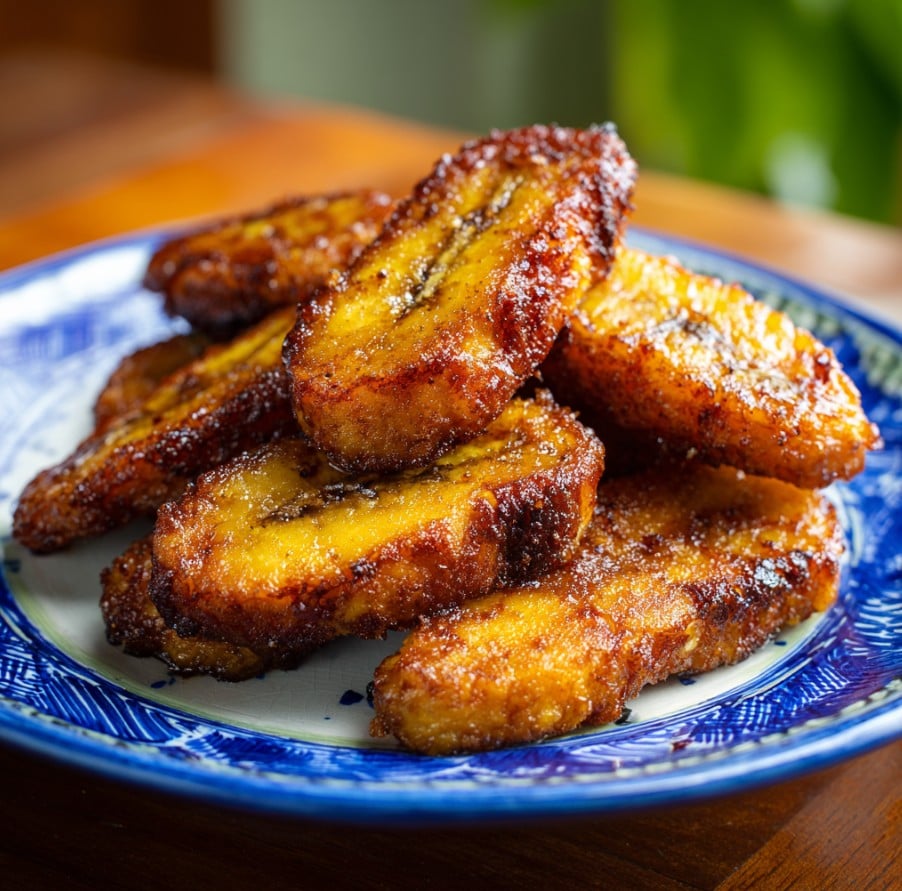
Plátanos Maduros are sweet, ripe plantains that are sliced and pan‑fried until the outside turns golden and caramelized. As the plantains ripen, their starches break down into natural sugars, giving them a soft texture and rich sweetness when cooked. They are typically cut on the diagonal or into rounds and fried in a small amount of oil until each piece has a lightly crisp edge and tender center. The result is a side dish that pairs well with savory meals like rice and beans, roasted meats, or stews.
This dish is a common part of Cuban meals because it adds contrast in taste and texture. The natural sweetness of the plantains complements salty, well‑seasoned mains, helping to balance the plate. Plátanos Maduros are simple to prepare but add a distinct flavor that many people recognize as part of traditional Cuban eating. Whether served at family dinners or casual lunches, they bring a familiar touch to the meal.
#12 – Croquetas
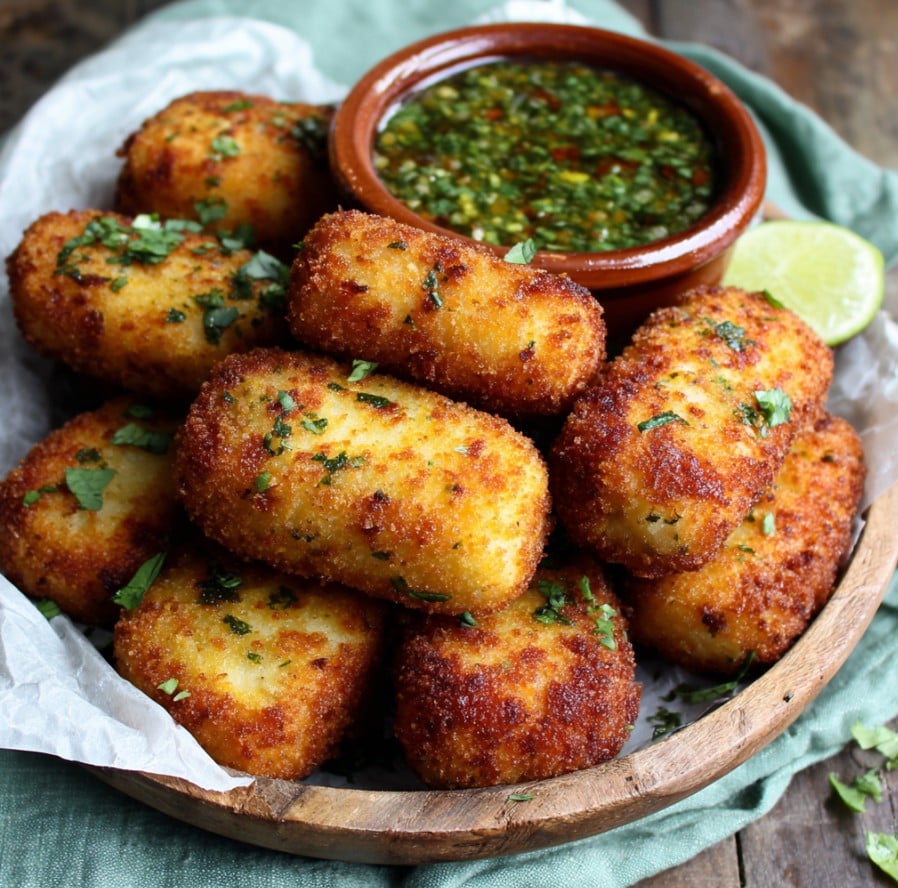
Croquetas are Cuban fried bites made from a creamy mixture of finely chopped meat, typically ham or chicken, blended with a thick béchamel‑style base and seasonings. The mixture is chilled so it firms up, then shaped into small cylinders or ovals, coated in breadcrumbs, and fried until crisp and golden. The outside becomes crunchy while the inside stays soft and flavorful. Croquetas are often served warm as an appetizer, snack, or part of a larger meal.
These bites are a favorite in Cuban homes and small eateries because they are easy to share and pair well with a variety of dishes like rice, beans, or salads. Their creamy interior and crunchy coating make them feel satisfying without being heavy. Making croquetas takes a bit of time, but their balanced taste and texture have made them a reliable choice for gatherings and everyday meals alike.
#11 – Flan Cubano
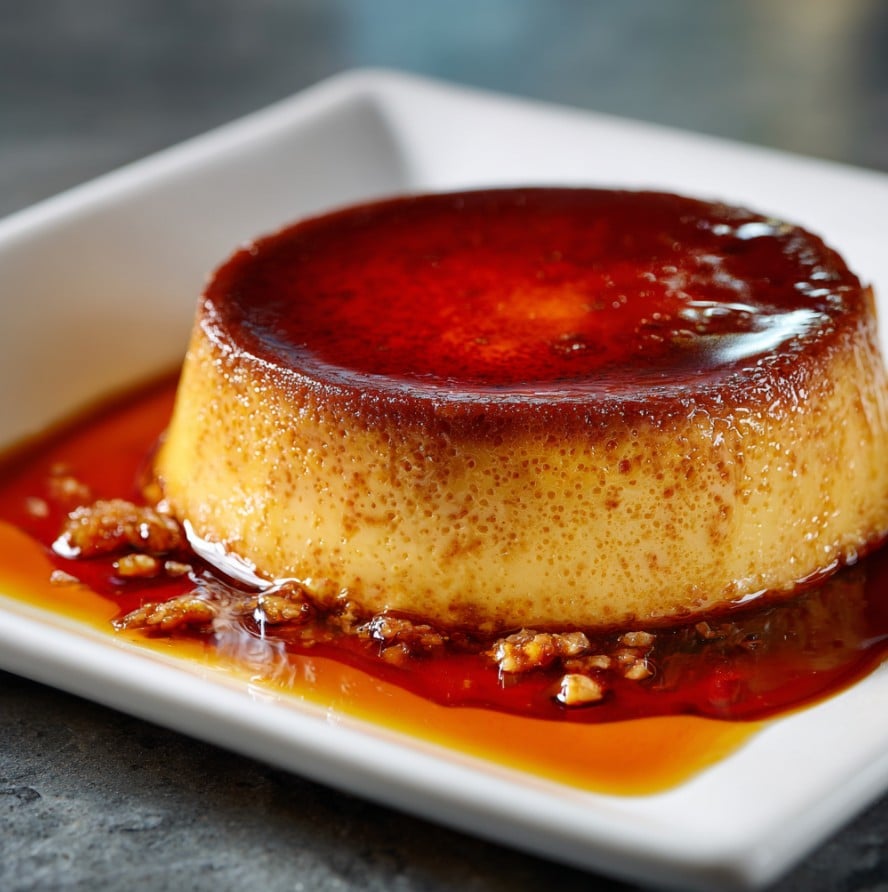
Flan Cubano is a classic Cuban dessert made from a smooth, baked custard topped with a thin layer of caramel sauce. It is made from simple ingredients like eggs, milk, sugar, and vanilla that are mixed together and poured over caramelized sugar before baking in a water bath. The water bath helps the custard cook evenly so it sets with a creamy, silky texture. Once chilled and inverted onto a plate, the caramel sauce flows over the top, adding a gentle sweetness and glossy finish.
This dessert is well loved because it pairs familiar flavors with a rich, smooth texture that feels both comforting and satisfying after a meal. Flan Cubano is often served at family dinners, holidays, or celebrations because it can be made ahead of time and stays good in the refrigerator for days. Its straightforward technique and timeless taste have helped make it a classic dessert in Cuban cooking.
#10 – Fricasé de Pollo
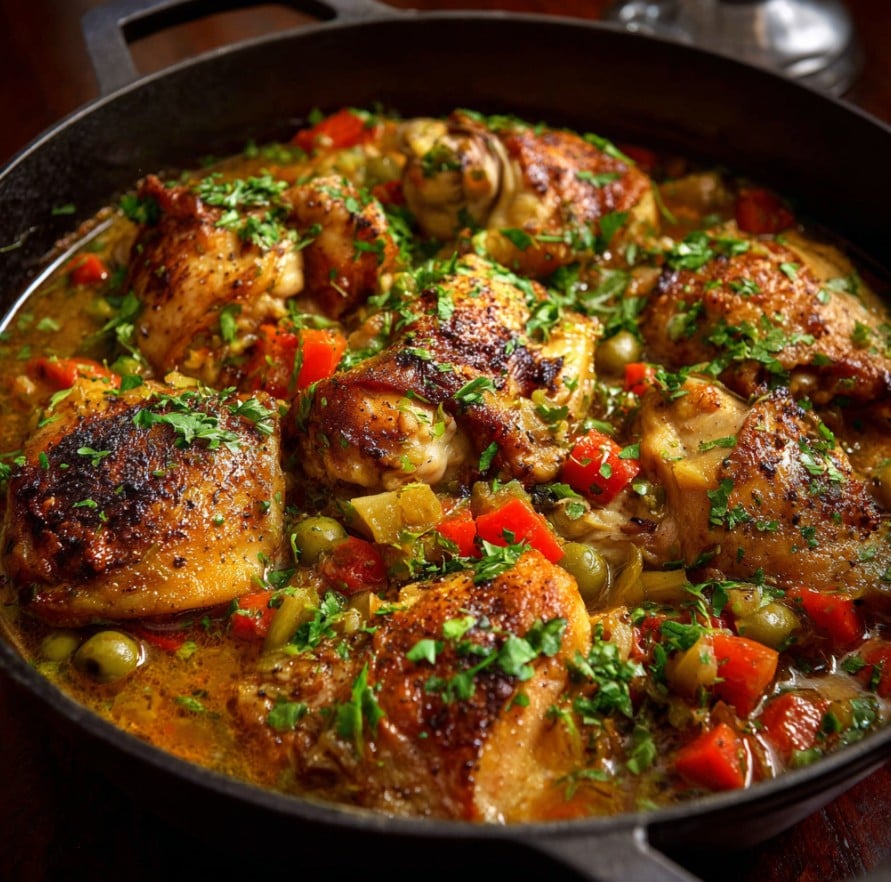
Fricasé de Pollo is a Cuban chicken stew made by simmering browned chicken pieces in a savory sauce with onions, garlic, bell peppers, tomatoes, and mild seasonings. The sauce often includes a splash of white wine or vinegar to add a bit of brightness, and herbs like oregano help deepen the flavor. As the chicken cooks, it becomes tender and absorbs the savory sauce, creating a hearty dish that is usually served with white rice or boiled potatoes. The mix of vegetables adds both texture and a mild sweetness that helps balance the savory elements of the stew.
This dish is common in Cuban homes because it turns simple, everyday ingredients into a satisfying meal that feels complete and comforting. The combination of tender chicken and well‑seasoned sauce makes it suitable for both weeknight dinners and larger family meals. Fricasé de Pollo shows how basic cooking methods and familiar flavors can result in a dish that feels nourishing and dependable.
#9 – Tostones
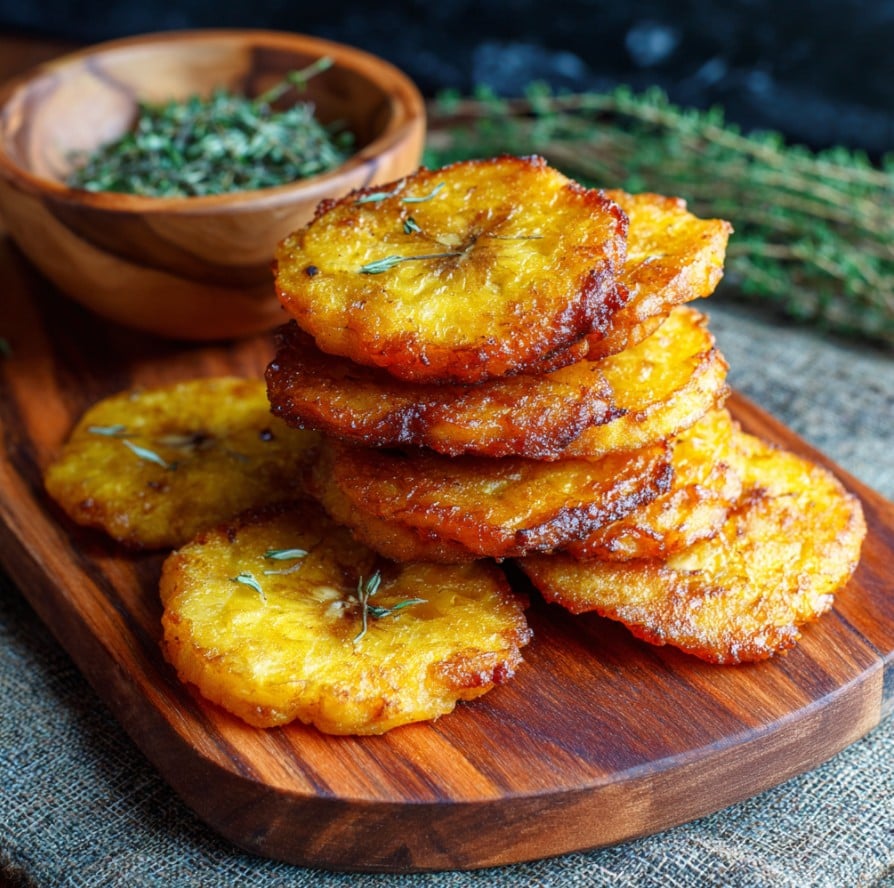
Tostones are twice‑fried green plantains that become crisp outside and tender inside. To make them, firm, unripe plantains are peeled and cut into thick slices, then fried once until lightly golden. After the first fry, each piece is flattened with a press or flat surface and fried again until crisp. The result is a snack or side item with a firm texture that holds up well to dipping. Tostones are sometimes seasoned with a bit of salt right after frying and can be served with garlic sauce, lime, or other simple accompaniments that add a mild boost of flavor.
This plantain preparation is a staple in Cuban cooking because it turns an affordable ingredient into something appealing and versatile. Tostones pair well with rich mains like stews, grilled meats, and beans, offering a satisfying contrast in texture. They are common at family meals and casual gatherings, and their simplicity makes them a familiar choice in many Cuban households.
#8 – Arroz con Pollo
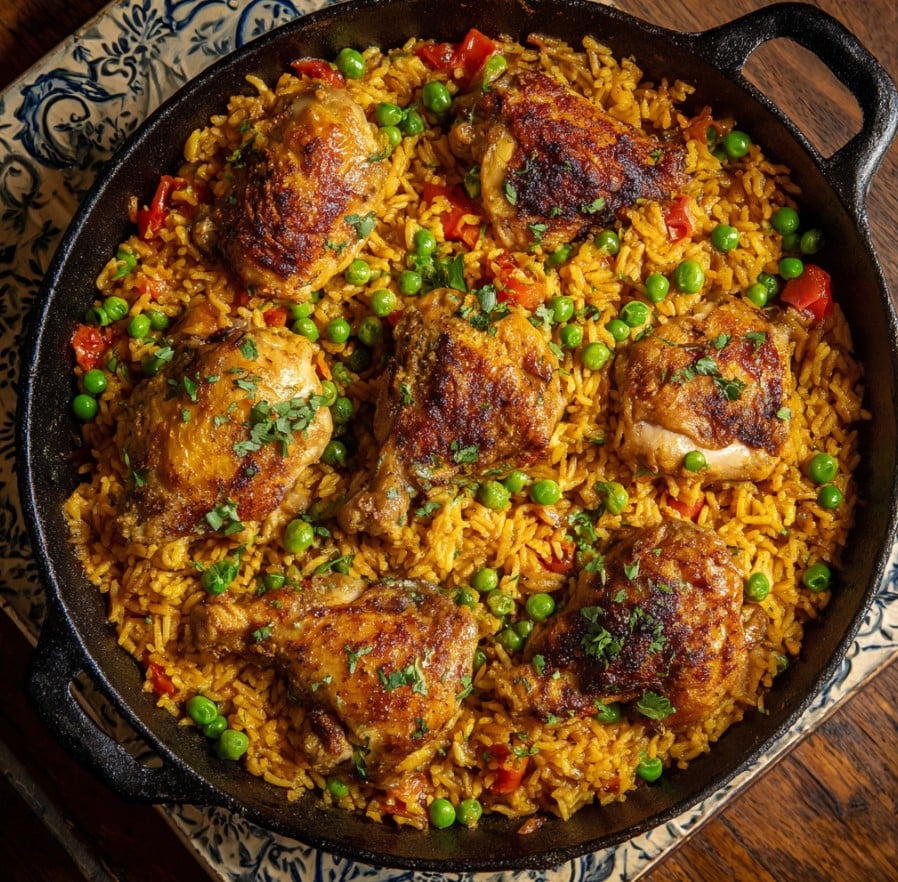
Arroz con Pollo is a Cuban chicken and rice dish where the meat and grains cook together in a seasoned broth. The chicken is usually browned first to build flavor, then rice, onions, garlic, bell peppers, and mild spices are added before simmering until the liquid is absorbed and the rice becomes tender. In many versions, peas or other vegetables are added near the end to give the dish a bit of color and extra texture. The result is a one‑pot meal where the rice is infused with the savory juices of the chicken and aromatics.
This dish is a staple in Cuban homes because it brings protein and grains together in a balanced, filling plate that can feed a whole family. Its straightforward preparation and familiar flavors make it a go‑to choice for weeknight dinners or casual lunches. Many cooks appreciate how the rice soaks up the seasoned broth, giving each bite a consistent, satisfying taste that reflects traditional Cuban cooking.
#7 – Lechón Asado
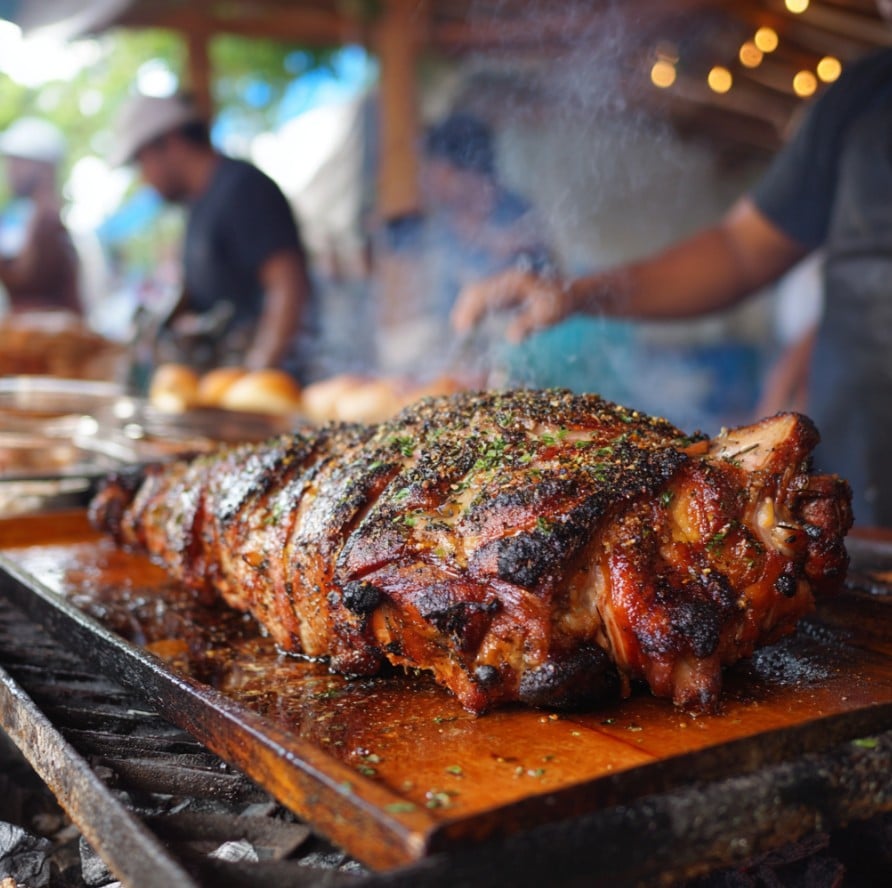
Lechón Asado is a Cuban roasted pork dish where a whole pig or large cuts of pork are seasoned and cooked slowly over low heat until the meat becomes tender and juicy. The seasoning typically includes garlic, sour orange or lime juice, oregano, and salt that help break down the meat fibers and bring out flavor. Roasting over time lets the outside develop a slightly crisp texture while keeping the inside rich and moist. When done, the meat is carved or shredded and served with rice, beans, or fried plantains to make a complete meal.
What makes Lechón Asado stand out is the way the seasoning penetrates the meat during the long cooking process, giving it depth and richness without overwhelming the natural pork flavor. It is often the centerpiece at festive gatherings, where the slow roasting not only fills the home with aroma but also builds anticipation for the meal. Its combination of tender meat and lightly crisped skin has made it a symbol of Cuban culinary tradition.
#6 – Cuban Sandwich (Cubano)

Cuban Sandwich (Cubano) is a pressed sandwich made with Cuban‑style bread, roast pork, ham, Swiss cheese, pickles, and mustard. The bread is spread with mustard before the layers of meat and cheese are added, and then the sandwich is pressed on a grill or sandwich press until the bread is crisp and the cheese is melted. The mix of savory roast pork and ham with tangy pickles and melted Swiss creates a balanced bite that feels hearty and satisfying.
The crisp, warm bread holds the fillings together, while the combination of meats and cheese gives it a layered flavor that works well for lunch or a casual meal. This sandwich became widely known beyond Cuba’s borders because of its straightforward appeal and how easily it can be enjoyed on the go or as part of a sit‑down meal.
#5 – Yuca con Mojo
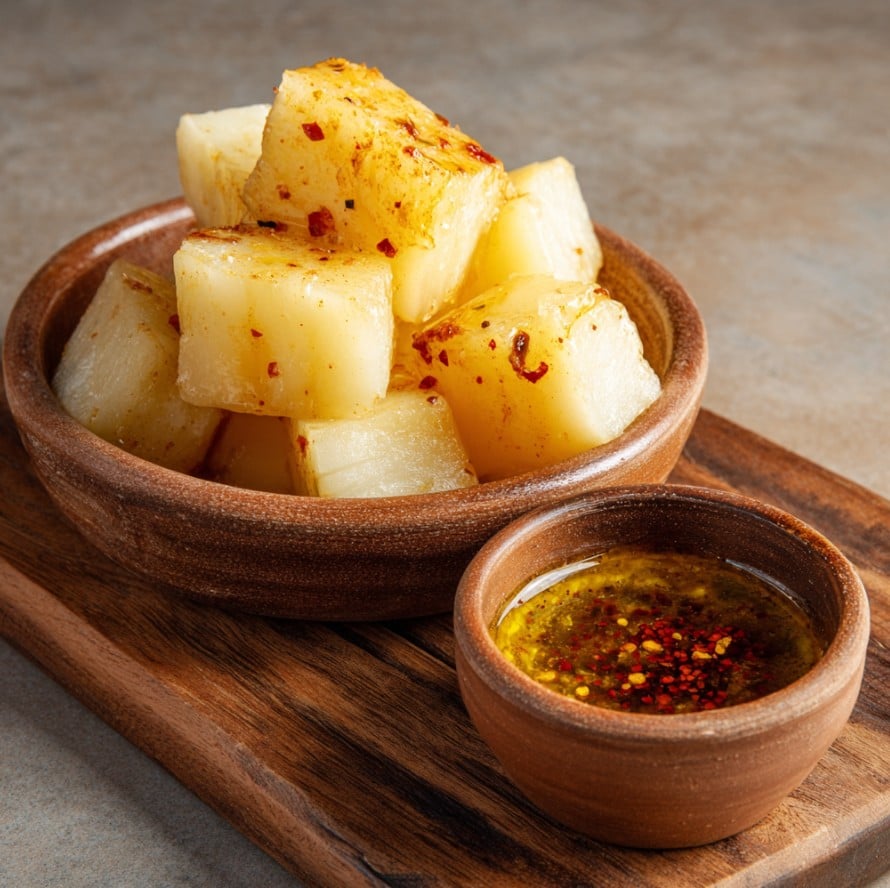
Yuca con Mojo is a Cuban dish made from boiled yuca (cassava) that’s served with a tangy garlic‑citrus sauce called mojo. The yuca is peeled, cut into chunks, and cooked until tender. Meanwhile, the sauce is made with plenty of garlic, fresh citrus juice such as sour orange or lime, and a bit of oil. The hot yuca is then drizzled with the mojo, which soaks into the starchy root and adds a bright, savory flavor. It’s often served alongside meats, rice, and beans to round out a meal.
This dish is appreciated for how the simple, mild taste of yuca pairs with the bold, punchy sauce. The citrus and garlic in the mojo help lift the neutral flavor of the yuca, turning it into a side that adds brightness to heartier main dishes. Yuca con Mojo can be found at home dinners and neighborhood eateries, where it is enjoyed for its refreshing contrast on the plate.
#4 – Vaca Frita
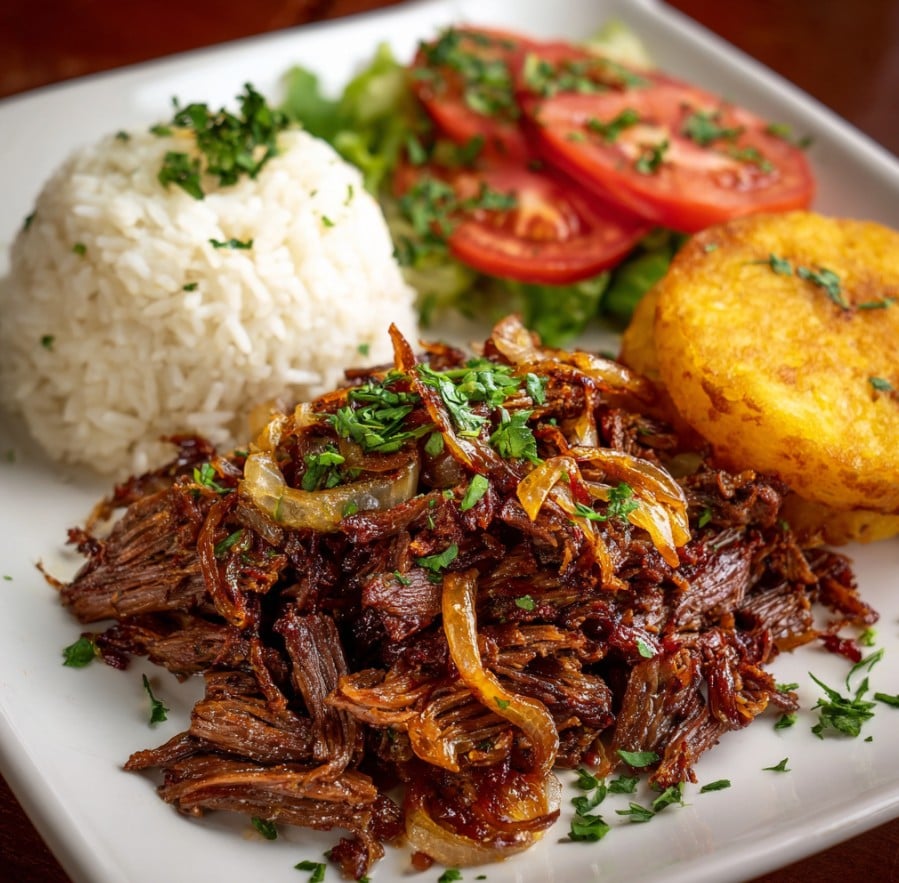
Vaca Frita is a Cuban dish made from shredded and pan‑fried beef that is seasoned with garlic, citrus juice, and spices. The beef, often flank or skirt steak, is first boiled until tender and then shredded before being crisped in a hot skillet with onions and additional seasonings. The result is meat that is slightly crunchy at the edges but still juicy inside. Vaca Frita is usually served with white rice, black beans, and sometimes fried plantains or a simple salad to balance the plate.
The citrus and garlic give the beef a fresh kick, while the pan‑frying brings out deeper savory notes and a slight crunch. This dish is often chosen for casual meals or weekend dinners because it is filling and full of familiar taste. Its preparation reflects the Cuban approach to stretching simple ingredients into a satisfying and flavorful meal.
#3 – Moros y Cristianos
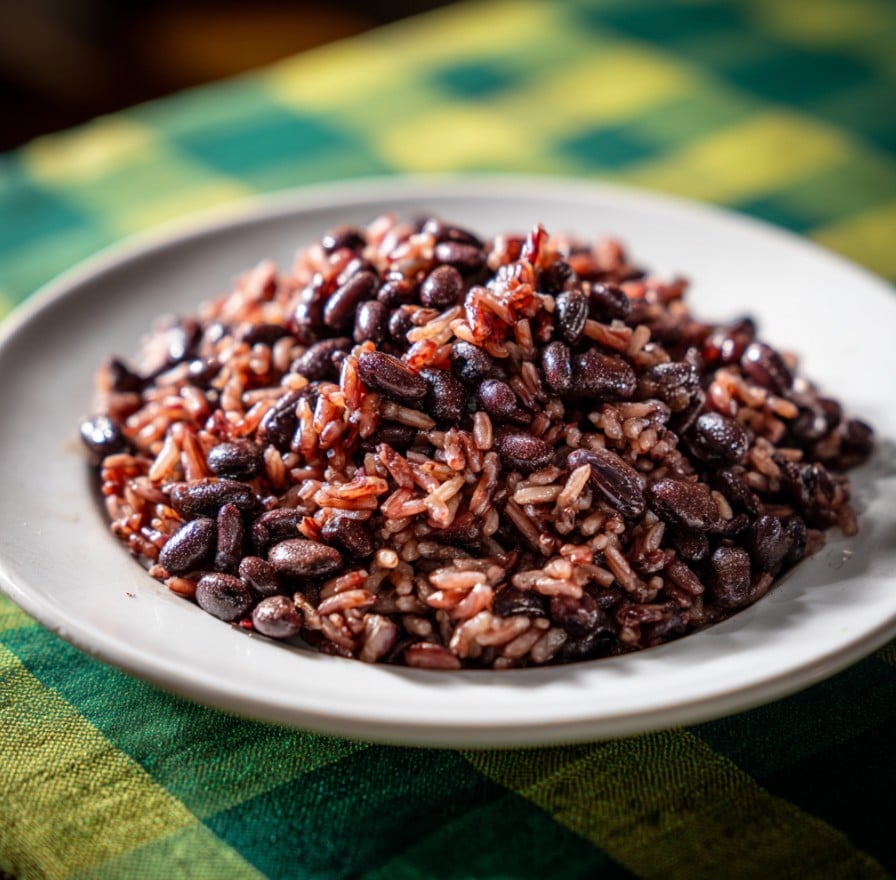
Moros y Cristianos is a classic Cuban rice and beans dish where black beans are cooked with aromatic seasonings and then mixed with long‑grain white rice. The beans are simmered with garlic, onions, bell peppers, and bay leaf to create a flavorful broth, and once the rice is added, it absorbs those rich juices. As the grains and beans cook together, they become tender and well combined, forming a hearty base that pairs well with roasted or stewed meats.
This dish is a cornerstone of Cuban home cooking because it brings two simple ingredients together in a way that feels complete and satisfying. The deep flavor from the seasoned beans helps lift plain rice, turning it into more than just a side. Moros y Cristianos is often served at family meals and everyday dinners, where its balance of protein and grains makes it both practical and filling.
#2 – Picadillo
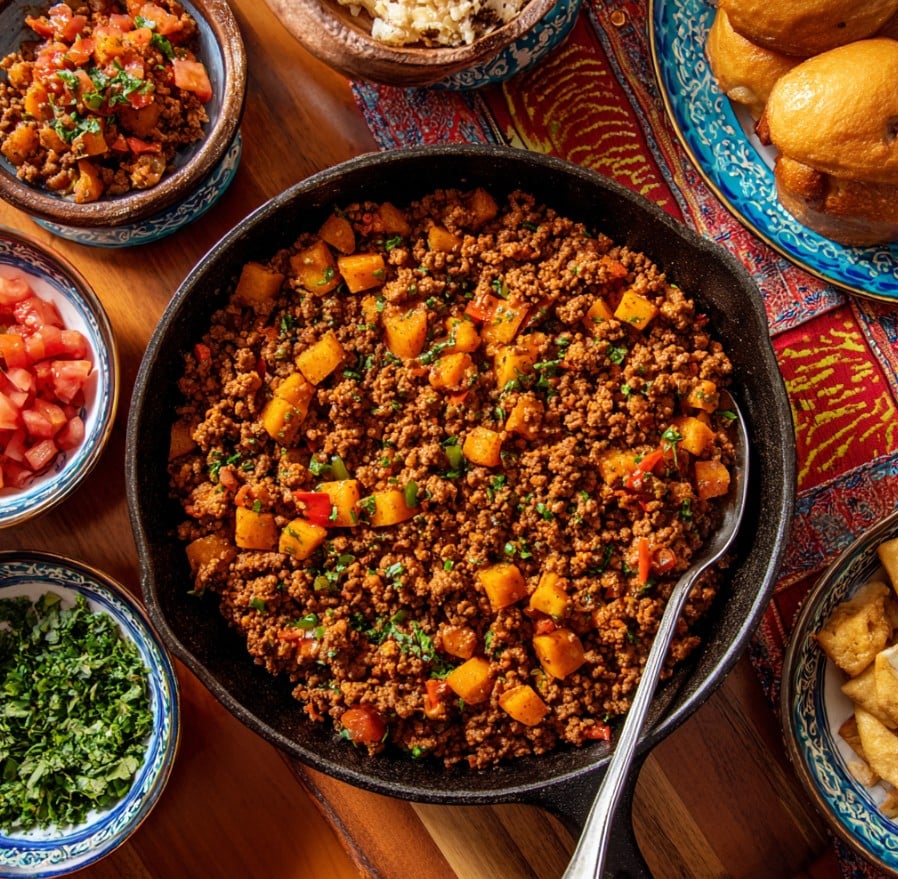
Picadillo is a Cuban ground‑beef hash cooked with tomatoes, onions, garlic, bell peppers, olives, and a mix of seasonings that give it a rich, savory taste. The beef is browned first, then simmered with the vegetables and a tomato base until the flavors meld together. Raisins or capers are sometimes added for a touch of sweet‑and‑salty contrast that fills out the dish. Picadillo is typically served with white rice, helping to balance the seasoned meat mixture and round out the meal.
Picadillo has become a familiar choice in Cuban kitchens because it turns everyday ingredients into something hearty and satisfying. Its combination of savory, mildly tangy, and subtly sweet notes makes it easy to enjoy on its own or paired with beans, fried plantains, or a simple salad. Families often prepare it for quick dinners that still feel complete, and its versatility means it can stretch to feed several people with minimal effort.
#1 – Ropa Vieja
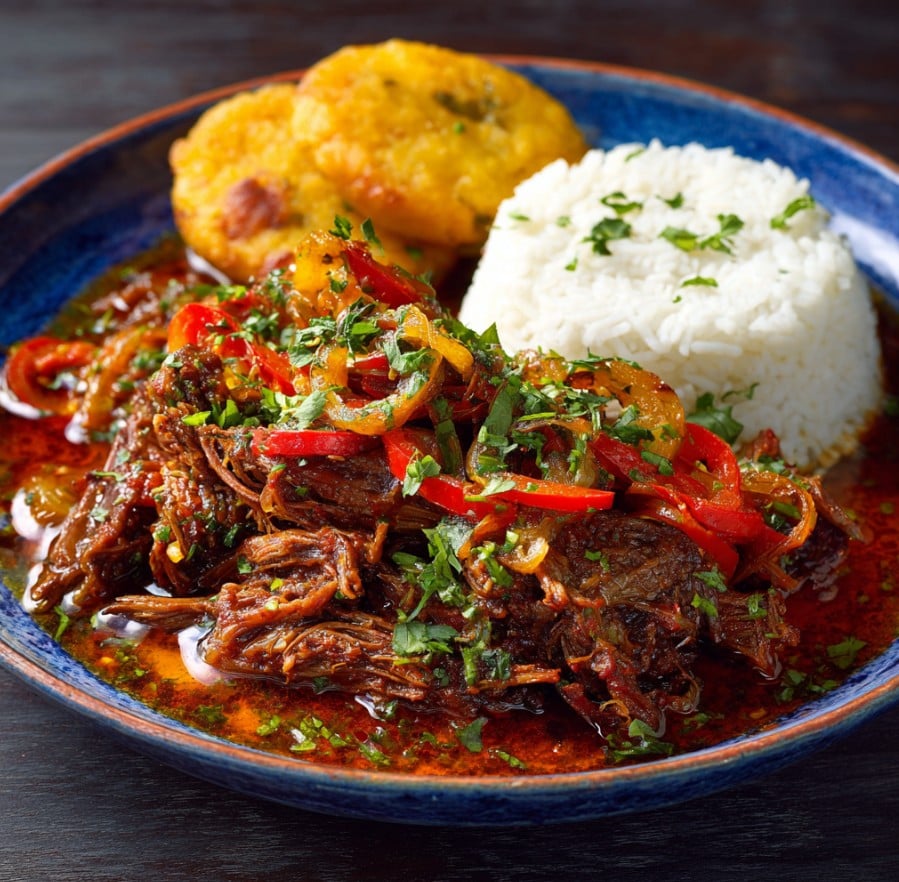
Ropa Vieja is the iconic Cuban dish that many consider the heart of the cuisine. Made from shredded beef that is slow‑cooked in a rich tomato sauce with onions, bell peppers, garlic, and a blend of spices, it delivers a deep, comforting flavor in every bite. The slow cooking allows the beef to become tender while soaking up the sauce, giving it a melt‑in‑your‑mouth texture. Traditionally, Ropa Vieja is served with white rice, black beans, and sometimes fried plantains, making it a complete and satisfying meal that highlights the best of Cuban home cooking.
What makes Ropa Vieja stand out is its balance of taste, texture, and tradition. The beef is perfectly tender, the sauce flavorful without being overpowering, and each serving carries a sense of Cuban heritage. It’s a dish that brings family and friends together, often prepared for gatherings and special meals. Ropa Vieja’s enduring popularity is a testament to its ability to turn simple ingredients into a dish that feels extraordinary every time it’s served.

I like favada asturiana , ajiaco criollo bacalao con papas y carne con papas