

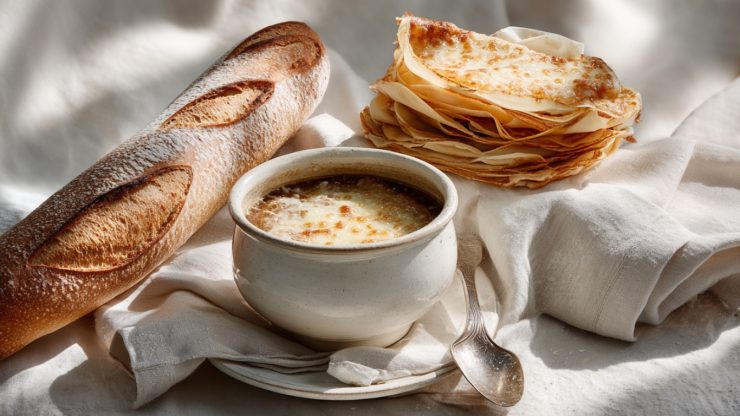
French foods have shaped the way many people think about great cooking. From small neighborhood cafés to high-end restaurants, French cuisine is known for careful techniques, balanced flavors, and a strong focus on quality ingredients. Many classic cooking methods used today were refined in France and are still taught in culinary schools around the world.
In this article, we will highlight the best French foods that continue to win over food lovers year after year. These dishes reflect tradition, regional pride, and generations of skill passed down through families and chefs. Whether you are planning a trip, building a food bucket list, or simply curious about what makes French cuisine so respected, this guide will give you a clear starting point.
#25 – Moules Marinieres
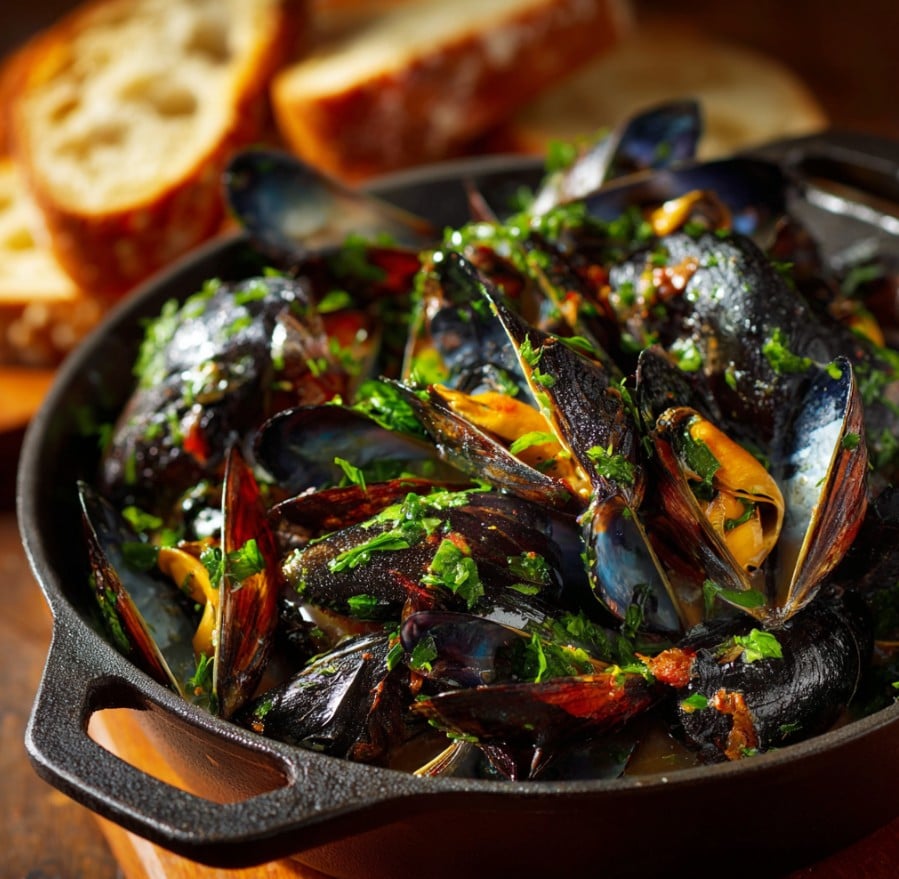
Moules Marinières is a French seafood dish known for its clean, briny taste and aromatic broth. Fresh mussels are cooked briefly in a pot with white wine, garlic, shallots, and parsley. As they open, they release juices that mix with the wine and aromatics to create a light, flavorful broth. The mussels themselves stay tender and juicy, with a mild saltiness that comes from the sea. This makes every bite feel fresh and balanced rather than heavy or rich.
It is often served with a simple side like crusty bread or a light salad so the mussels remain the main focus. This dish remains a popular choice in coastal areas and bistros where fresh seafood is key.
Moules Marinieres
Ingredients
Method
- Cook the shallots: Melt 2 tablespoons butter. Add 2 shallots and cook for 3 minutes.
- Add the garlic: Stir in 3 minced garlic cloves and cook for 30 seconds.
- Add the wine: Pour in 1 cup white wine. Add 1/2 teaspoon salt and 1/4 teaspoon pepper.
- Steam the mussels: Add 2 lbs mussels, cover, and cook for 5 to 7 minutes, until opened.
- Finish: Discard unopened mussels. Stir in 1/4 cup parsley and 1 tablespoon lemon juice.
- Serve: Serve hot with 1 sliced baguette.
#24 – Tarte Tatin
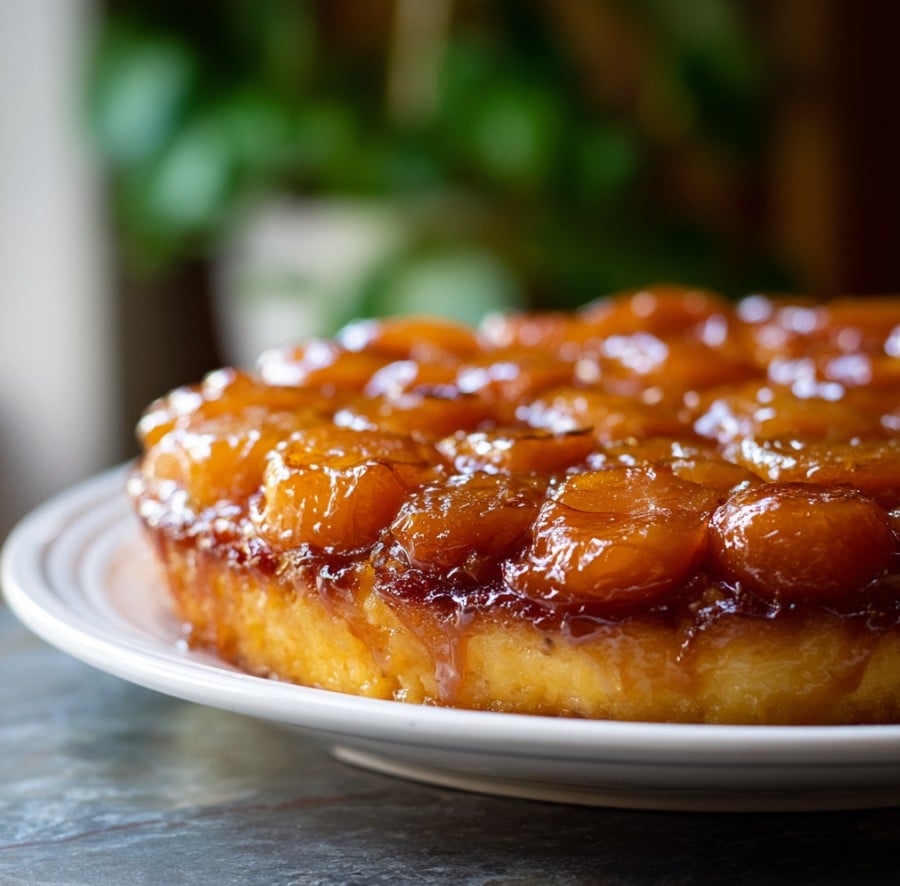
Tarte Tatin is a French dessert celebrated for its rich, sweet flavor and soft caramelized apples. The apples are cooked in butter and sugar until golden, then topped with a layer of pastry and baked. Once flipped onto a plate, the fruit sits on top, creating a glossy, tender topping with a crisp, buttery base. The contrast between the soft, caramelized apples and the flaky pastry makes it a favorite among dessert lovers. Its simple ingredients come together to produce a comforting yet refined dessert that highlights the natural sweetness of the fruit.
Many people enjoy Tarte Tatin because of its balance of textures and flavors. The buttery crust complements the caramelized fruit, and slight variations such as adding a pinch of cinnamon or a touch of vanilla can enhance the taste without overwhelming it. It remains a popular choice in cafés and restaurants that serve classic French desserts, admired for being approachable while still offering a satisfying depth of flavor.
Tarte Tatin
Ingredients
Method
- Prep the pastry: Roll 1 sheet puff pastry into a 10-inch circle. Chill.
- Make the caramel: Melt 6 tablespoons butter with 3/4 cup sugar in a 10-inch oven-safe skillet. Cook until golden.
- Add the apples: Arrange 6 quartered apples tightly over the caramel.
- Season: Add 1 teaspoon vanilla, 1/2 teaspoon cinnamon, and 1/4 teaspoon salt.
- Cook: Cook the apples over medium-low heat for 15 minutes.
- Top: Lay the puff pastry over the apples and tuck the edges into the skillet.
- Bake: Bake at 400°F for 25 to 30 minutes, until deeply golden.
- Invert: Cool for 5 minutes, then carefully invert onto a serving plate.
- Serve: Serve warm.
#23 – Soufflé
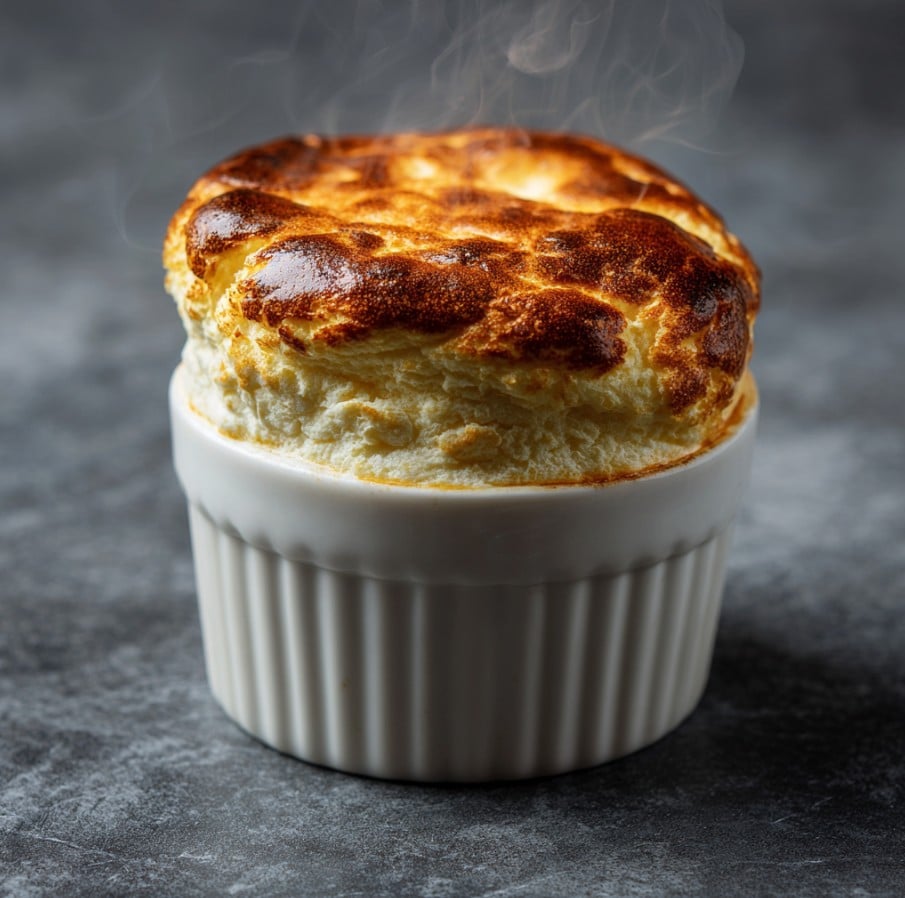
Soufflé is a French dish known for its delicate, airy texture and rich flavor. The key is beaten egg whites folded into a flavorful base, which creates a light, puffy interior and a thin, golden crust on top. Sweet versions often include chocolate, fruit, or vanilla, giving a soft, creamy center with a gentle sweetness. Savory soufflés, on the other hand, feature ingredients like cheese, herbs, or vegetables, offering a smooth, rich taste that melts in the mouth. The contrast between the crisp outer layer and the soft, tender inside makes it a favorite for those who enjoy refined textures.
The appeal of Soufflé comes from the way it balances flavor and texture. Each bite provides a combination of softness and slight crispiness, making it both visually impressive and satisfying to eat. Chefs appreciate how versatile it is, letting them create either a sweet finish or a rich, savory dish. Served fresh from the oven, it remains a standout choice in French cuisine.
Soufflé
Ingredients
Method
- Prep the dish: Butter a 1 1/2-quart soufflé dish with 1 tablespoon butter. Coat with 2 tablespoons Parmesan.
- Make the base: Melt 2 tablespoons butter. Stir in 3 tablespoons flour and cook for 1 minute.
- Add the milk: Whisk in 1 cup warm milk. Cook until thick.
- Season: Stir in 1/2 teaspoon salt, 1/4 teaspoon pepper, and 1/8 teaspoon nutmeg.
- Add the yolks: Remove from heat. Whisk in 4 egg yolks, then stir in 1 cup Gruyère.
- Whip the whites: Beat 4 egg whites with 1/4 teaspoon cream of tartar until stiff peaks form.
- Fold: Gently fold the egg whites into the cheese mixture.
- Fill: Spoon the mixture into the prepared soufflé dish.
- Bake: Bake at 375°F for 25 to 30 minutes, until puffed and golden.
- Serve: Serve immediately.
#22 – Blanquette de Veau
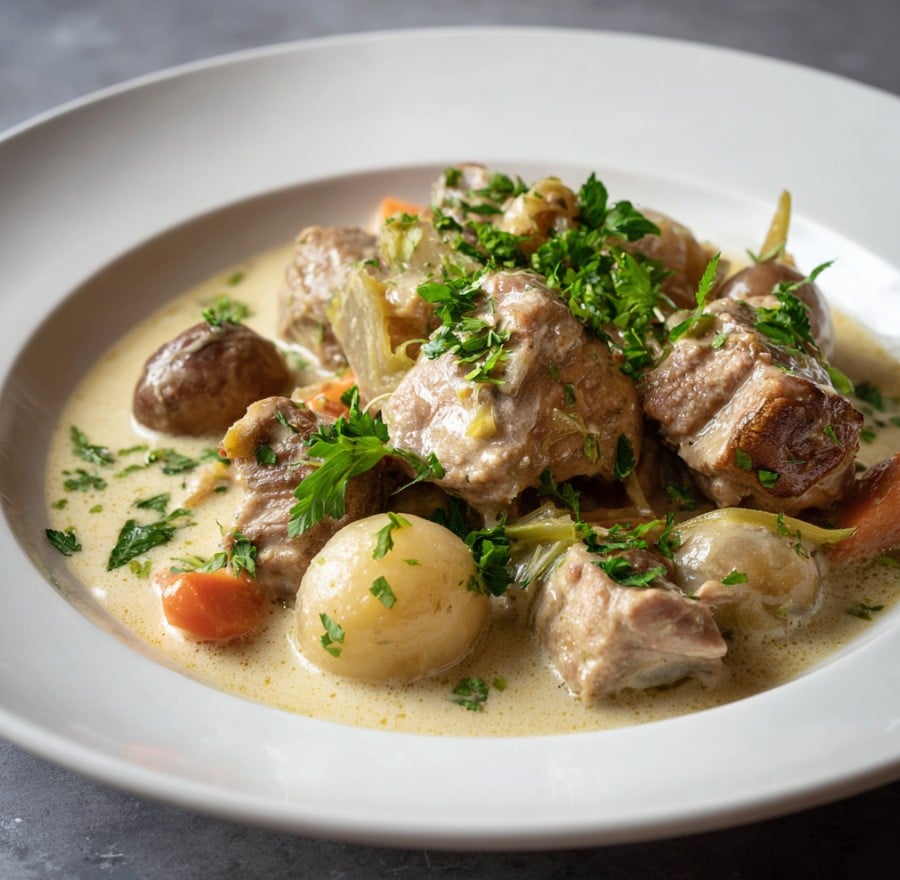
Blanquette de Veau is a French stew known for its tender veal and creamy, mild sauce. The veal is cooked gently to keep it soft, and the sauce is made from the cooking liquid, thickened with butter and flour, and finished with cream and egg yolks. Carrots, onions, and sometimes mushrooms are added, giving a subtle sweetness and gentle earthiness that complements the rich sauce. Each bite offers a smooth texture with meat that melts in the mouth, making it a comforting choice without being heavy.
Many people enjoy Blanquette de Veau because of its balance of flavors and textures. The sauce has a light creaminess with a touch of lemon or seasoning to keep it fresh and not overpowering. It is often served with rice or potatoes, which absorb the sauce and enhance the overall experience. This dish remains a favorite in French cuisine for those who appreciate soft, flavorful, slow-cooked meals.
Blanquette de Veau
Ingredients
Method
- Simmer the veal: Add 2 lbs veal, 6 cups broth, 1 onion, 2 carrots, 2 celery stalks, 1 bouquet garni, 1 teaspoon salt, and 1/2 teaspoon pepper. Simmer for 1 hour.
- Cook the vegetables: Add 8 oz mushrooms and 8 oz pearl onions. Simmer for 20 minutes.
- Strain: Remove the veal and vegetables. Reserve 3 cups cooking broth.
- Make the sauce: Melt 3 tablespoons butter. Stir in 3 tablespoons flour, then gradually whisk in 3 cups broth.
- Add the cream: Whisk 1/2 cup heavy cream with 2 egg yolks. Stir into the sauce over low heat.
- Finish: Add 1 tablespoon lemon juice, then return the veal and vegetables to the sauce.
- Serve: Sprinkle with 2 tablespoons parsley and serve hot.
#21 – Pot-au-Feu
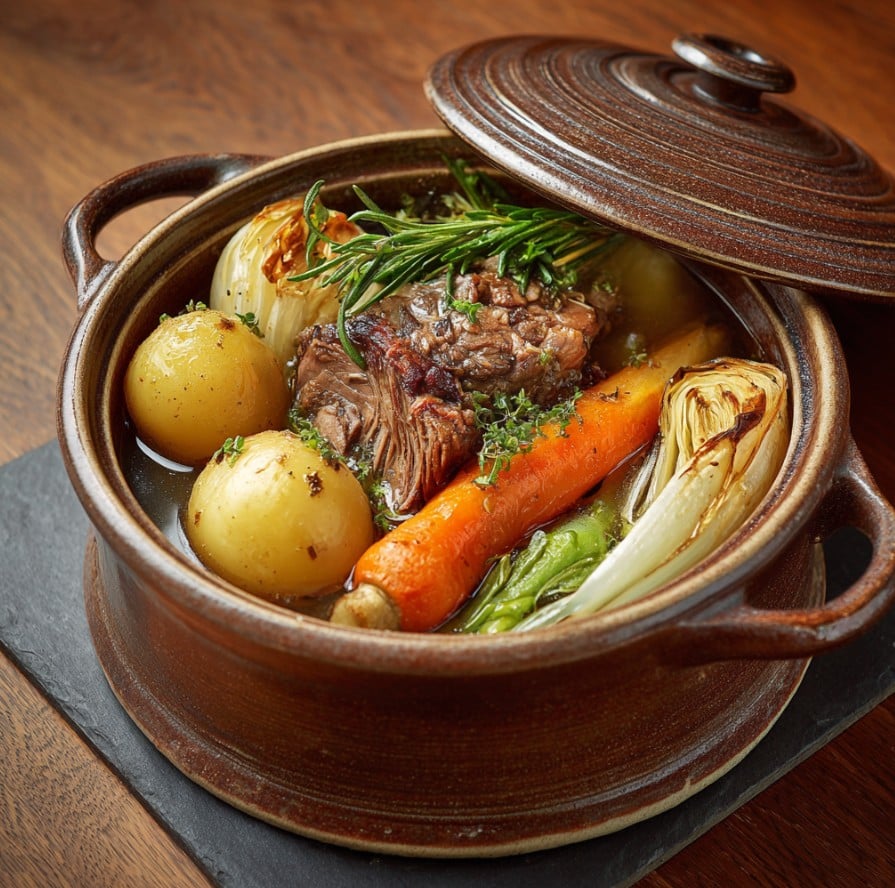
Pot‑au‑Feu is a French dish known for its deep, comforting taste and simple, slow‑cooked ingredients. Large cuts of beef are simmered with vegetables like carrots, leeks, and cabbage in seasoned broth for hours until the meat becomes very tender. The long cooking time allows the flavors to meld, creating a rich, beefy stock that carries gentle sweetness from the vegetables. Eating it feels warm and satisfying because each spoonful combines soft meat and mellow vegetables with a bold, savory taste.
The broth can be served on its own as a starter, followed by the meat and vegetables, or enjoyed all together for a hearty meal. Potatoes or bread often accompany it to make it a full plate of comfort food. This dish remains popular in French homes and restaurants where classic cooking is appreciated for its honest, rich taste.
Pot-au-Feu
Ingredients
Method
- Start the beef: Add 2 lbs beef chuck and 2 lbs short ribs to 10 cups water. Bring to a simmer and skim the surface.
- Add the aromatics: Stud 1 halved onion with 4 cloves. Add it with 4 garlic cloves, 1 bouquet garni, 2 teaspoons salt, and 1 teaspoon peppercorns.
- Simmer: Cover partially and cook over low heat for 2 hours.
- Add the vegetables: Add 4 carrots, 3 leeks, 3 celery stalks, and 2 turnips. Simmer for 30 minutes.
- Add the potatoes: Add 1 lb potatoes and simmer for 20 minutes, until tender.
- Slice the beef: Remove the beef and cut into serving pieces.
- Serve: Divide the beef and vegetables among bowls. Add broth and serve with 1/4 cup Dijon mustard.
#20 – Salade Niçoise

Salade Niçoise is a French salad known for its fresh, bold mix of ingredients that work well together. It usually includes crisp greens, ripe tomatoes, crunchy beans, olives, and hard‑boiled eggs, all brought together with a light dressing made from olive oil and vinegar. Some versions add tuna or anchovies for a salty, savory boost. Each bite delivers a blend of cool, fresh vegetables and satisfying protein, making it feel refreshing and filling at the same time.
Many people enjoy Salade Niçoise because the flavors stay clean and well‑balanced without being heavy. The tomatoes and beans give a natural sweetness, the olives add a sharp, salty note, and the dressing ties everything together with a tangy lift. It is often served chilled or at room temperature, which helps keep the ingredients bright and lively. This salad remains a go‑to choice for those who want a dish that feels light but still rich in taste and texture.
#19 – Tartiflette
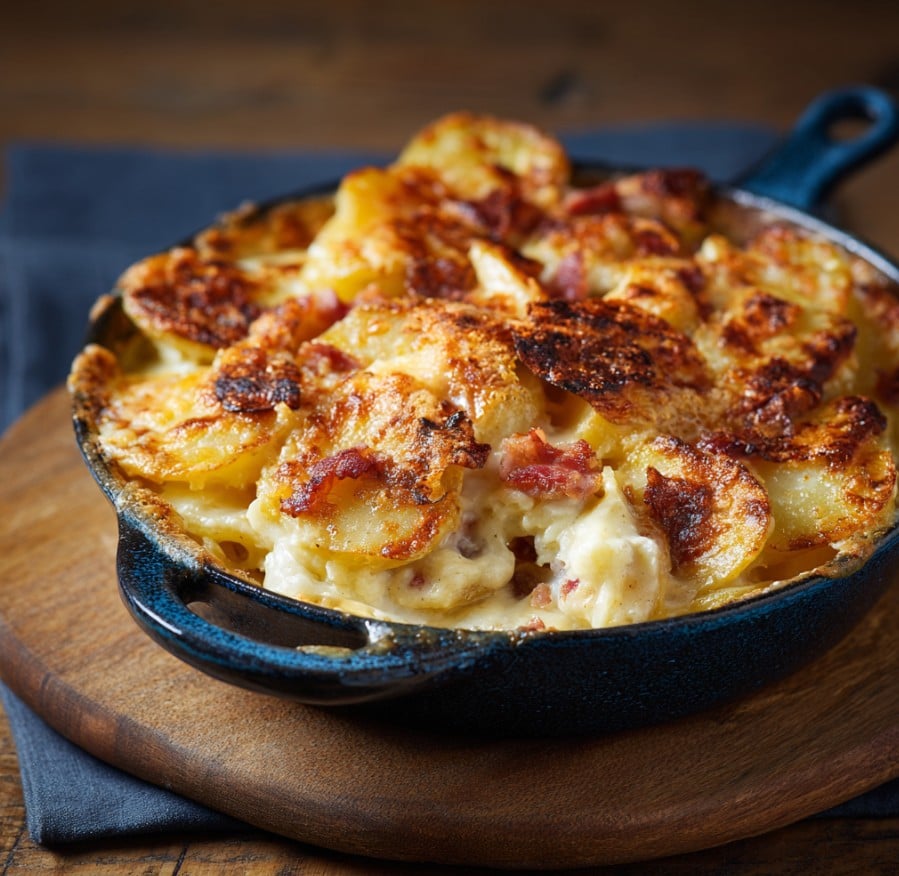
Tartiflette is a French dish known for its creamy, rich flavor and satisfying feel. It combines tender potatoes with a soft, milky cheese that melts into every layer, creating a smooth and hearty profile. Onions and bits of smoky cured pork add savory depth, while a light seasoning keeps the taste straightforward and inviting. When served warm, each forkful offers a blend of soft textures and robust, comforting taste that many people enjoy on cold days or after time outdoors.
People often choose Tartiflette because it feels both rustic and full‑flavored without being heavy. The melted cheese gives a silky touch to the potatoes while the pork brings a subtle saltiness that lingers pleasantly. This dish pairs well with a simple salad or crusty bread, which can help balance the rich components. Its steady mix of creamy and savory notes makes it a favorite choice for those who like dishes that fill the plate and warm the appetite.
Tartiflette
Ingredients
Method
- Cook the potatoes: Boil 2 lbs potatoes for 15 minutes, until barely tender. Cool and slice.
- Cook the bacon: Cook 8 oz bacon until lightly crisp. Remove and set aside.
- Cook the onion: Add 1 sliced onion to the bacon fat and cook for 5 minutes.
- Add the garlic: Stir in 2 minced garlic cloves and cook for 1 minute.
- Deglaze: Add 1/2 cup white wine and simmer for 3 minutes.
- Layer: Arrange the potatoes, bacon, and onion mixture in a baking dish. Season with 1 teaspoon salt and 1/2 teaspoon pepper.
- Add the cream: Pour 1/2 cup heavy cream over the potatoes.
- Top: Arrange 1 lb sliced Reblochon over the top.
- Bake: Bake at 375°F for 25 to 30 minutes, until golden and bubbling.
#18 – Macarons

Macarons are French confections known for their delicate shells and soft, creamy centers. They are made from finely ground almonds, sugar, and whipped egg whites, which create a smooth exterior that gives way to a tender, slightly chewy inside. The filling can vary from fruit jam to rich buttercream or ganache, giving each macaron a burst of flavor in every bite. People often enjoy macarons for the contrast between the crisp surface and the soft center, which makes them feel light yet satisfying.
What makes macarons popular is their wide range of flavors and colors that still stay true to balanced taste. Mild fruit notes, gentle chocolate, and hints of nuts are common, giving options that suit different preferences without being overwhelming. These treats are often served with tea or coffee, where their sweetness pairs well with warm drinks. Their tidy size and refined feel make them a common choice for gifts, celebrations, or a special treat after a meal.
Macarons
Ingredients
Method
- Sift: Sift 1 cup almond flour with 1 3/4 cups powdered sugar.
- Whip the whites: Beat 3 egg whites with 1/4 teaspoon cream of tartar until foamy.
- Make the meringue: Gradually add 1/4 cup granulated sugar. Beat until stiff, then add 1/2 teaspoon vanilla.
- Fold: Fold the almond mixture into the meringue until the batter flows slowly.
- Pipe: Pipe 1 1/2-inch rounds onto parchment-lined baking sheets.
- Rest: Let the shells stand for 30 to 45 minutes, until dry on top.
- Bake: Bake at 300°F for 14 to 16 minutes. Cool completely.
- Make the filling: Beat 1/2 cup butter, 1 1/2 cups powdered sugar, 1 teaspoon vanilla, and 2 tablespoons heavy cream until smooth.
- Fill: Pipe the filling onto half the shells and sandwich with the remaining shells.
#17 – Steak Frites
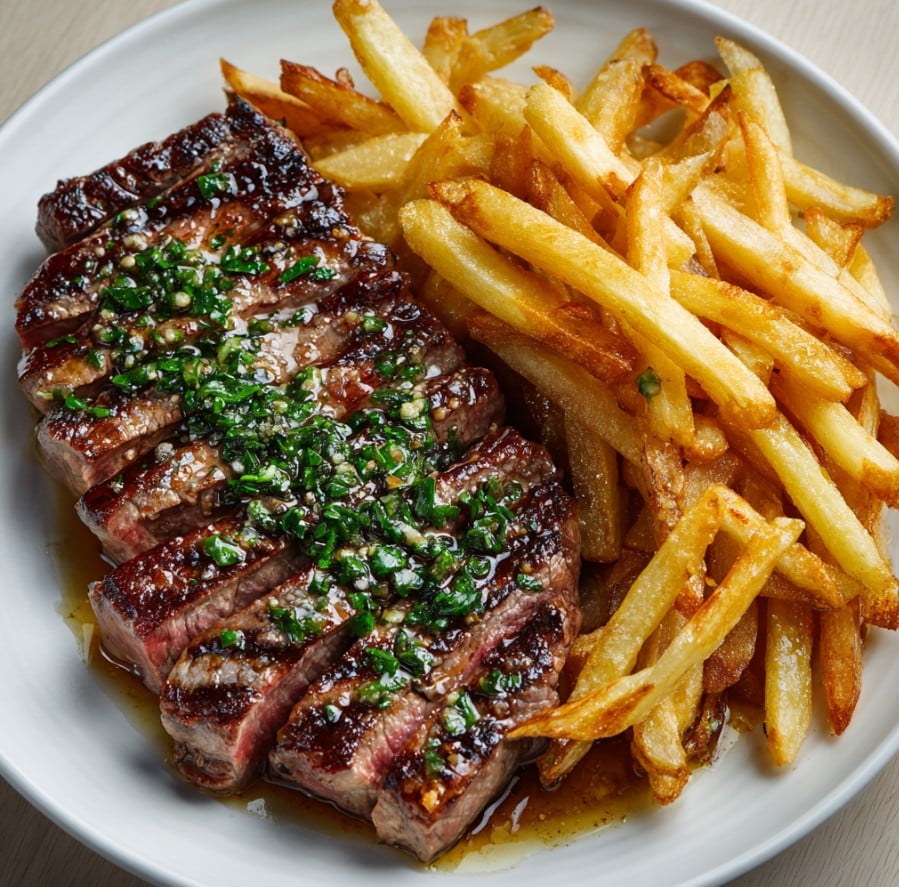
Steak Frites is a French dish loved for its simple yet satisfying taste. It pairs a well‑seasoned cut of steak with a generous serving of golden fries. The steak is usually cooked to your liking so the outside has a slight sear while the inside stays tender and juicy. The fries are crisp on the outside and soft inside, offering a nice contrast to the meat. Together, they create a meal that feels hearty without being overly complex, letting the natural flavor of the beef stand out.
A light sprinkle of salt and a bit of pepper go a long way, and some servings include a simple sauce or herb butter that enhances the steak without hiding its natural taste. The dish is often paired with a fresh side salad or a light drink, which keeps the meal balanced. This combination has made it a go‑to choice in cafés and bistros where comfort and straightforward taste matter.
Steak Frites
Ingredients
Method
- Cut the fries: Cut 2 lbs potatoes into 1/4-inch fries. Soak in cold water for 30 minutes, then dry.
- First fry: Heat 6 cups vegetable oil to 325°F. Fry the potatoes for 4 minutes, then drain.
- Season the steaks: Season 2 steaks with 1 1/2 teaspoons salt and 1 teaspoon pepper.
- Sear: Heat 2 tablespoons vegetable oil. Sear the steaks for 3 to 4 minutes per side.
- Baste: Add 3 tablespoons butter, 2 garlic cloves, and 4 thyme sprigs. Baste the steaks for 1 minute.
- Rest: Rest the steaks for 5 minutes.
- Finish the fries: Heat the frying oil to 375°F. Fry the potatoes for 2 to 3 minutes, until crisp.
- Serve: Season the fries with 1 teaspoon salt and 2 tablespoons parsley. Serve with the steaks.
#16 – Gratin Dauphinois
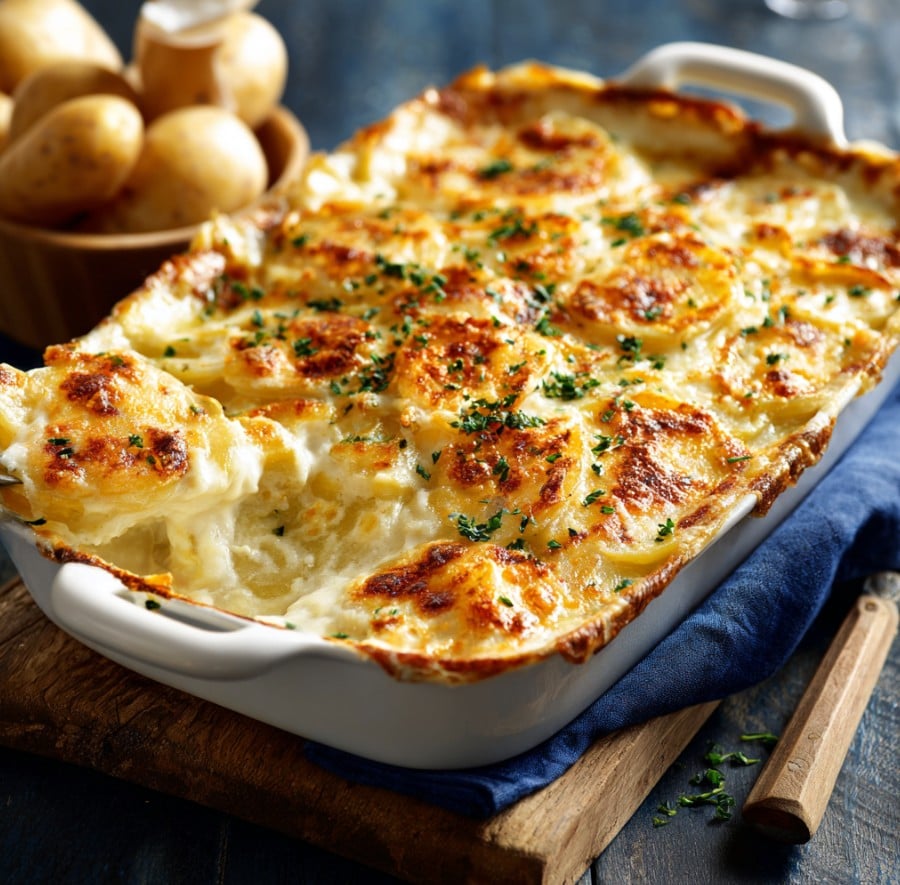
Gratin Dauphinois is a French dish known for its creamy texture and mild, satisfying taste. Thin slices of potatoes are layered in a dish and cooked slowly with milk or cream and a bit of garlic until they become tender and soft. The top forms a light golden surface while the inside stays rich and smooth. Every forkful offers a blend of soft potato and silky sauce that feels warm and comforting without heavy seasoning.
People often choose Gratin Dauphinois because it highlights simple ingredients in a way that feels full and pleasing. The potatoes absorb the creamy liquid as they cook, so each bite has a gentle balance of flavor rather than sharp contrasts. It goes well with roasted or grilled meats, or even on its own with a fresh salad. The dish stays popular in homes and restaurants that value cooking that feels both classic and deeply satisfying.
Gratin Dauphinois
Ingredients
Method
- Prep the dish: Rub a baking dish with 2 tablespoons butter and 2 minced garlic cloves.
- Heat the cream: Warm 2 cups heavy cream and 1 cup milk with 1 teaspoon salt, 1/2 teaspoon pepper, and 1/4 teaspoon nutmeg.
- Layer the potatoes: Arrange 2 lbs sliced potatoes evenly in the baking dish.
- Add the cream: Pour the warm cream mixture over the potatoes.
- Bake: Bake at 350°F for 60 to 75 minutes, until tender and golden.
- Rest: Let the gratin stand for 10 minutes before serving.
#15 – Crème Brûlée

Crème Brûlée delights with its combination of creamy custard and a crisp caramelized top that melts in the mouth. The custard is rich and smooth, made from cream, egg yolks, and sugar, giving a gentle sweetness that balances perfectly with the crunchy layer above. Torching the sugar forms a delicate shell that contrasts with the soft custard underneath, making every bite satisfying and memorable.
The caramelized top adds a lightly toasted note, while the custard stays smooth and rich. Variations with hints of vanilla, citrus, or subtle spices bring extra depth without overwhelming the dish. Served in small ramekins, it remains a refined dessert that showcases the precision and care of French cooking.
#14 – Foie Gras
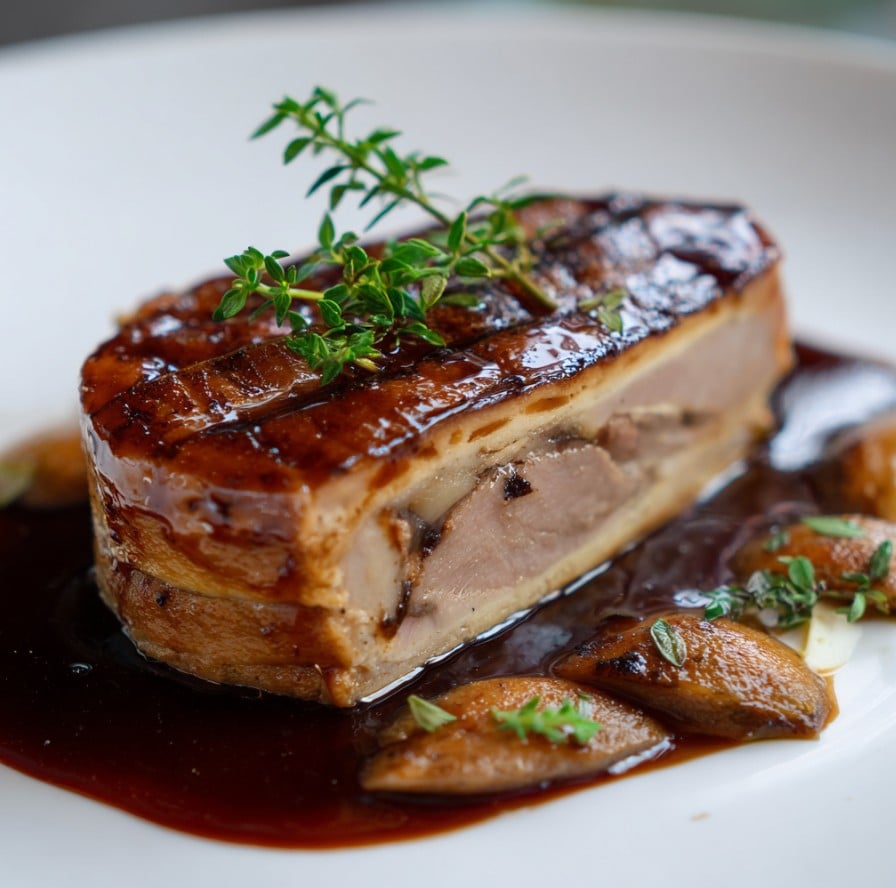
Foie Gras surprises many people with its smooth, rich taste and creamy feel. This French dish is made from the liver of ducks or geese that have been specially fattened, which gives it a buttery texture and a mild, gentle savor. When you taste it, the flavor often starts rich and soft, with notes of mild sweetness and a subtle nutty hint that rounds out the experience. It does not have the strong, metallic taste that some expect from other types of liver.
What draws people to Foie Gras is the way it melts in the mouth and the clean, layered taste it offers. The smooth feel pairs well with simple sides like toasted bread, light jams, or fruit, which help balance the richness without stealing attention. Served warm or cold, it feels refined yet approachable, making it a common choice in French cooking where texture and mild flavor are key.
Foie Gras
Ingredients
Method
- Slice the foie gras: Cut 1 lb chilled foie gras into 1-inch-thick slices.
- Season: Sprinkle the slices with 1 teaspoon salt and 1/2 teaspoon pepper.
- Sear: Heat a dry skillet over high heat. Sear the foie gras for 30 to 45 seconds per side.
- Rest: Transfer the foie gras to a paper towel-lined plate.
- Make the glaze: Add 1 tablespoon balsamic vinegar and 1 tablespoon honey to the skillet. Cook for 1 minute.
- Serve: Place the foie gras on 4 slices toasted brioche and spoon the glaze over the top.
#13 – Bouillabaisse
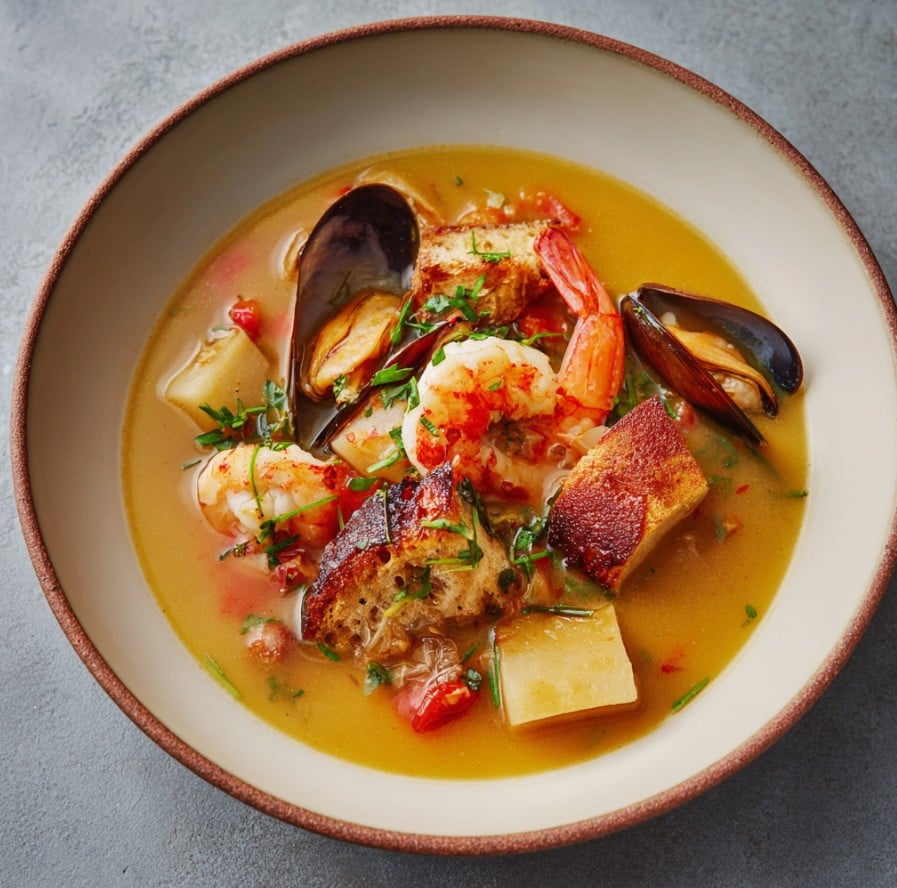
Bouillabaisse is a French seafood stew known for its deep, savory taste and rich broth. It is traditionally made with several types of fish and shellfish simmered with tomatoes, onions, fennel, and herbs. As the seafood cooks, its juices blend with the broth to produce a full, layered flavor that feels warm and satisfying. The combination of tender fish pieces and the aromatic broth gives each spoonful a taste of the sea with hints of herbs and gentle acidity from the tomatoes.
Many people enjoy Bouillabaisse because it brings together different textures and flavors without being heavy. The seafood stays firm yet tender, and the broth carries a bold seafood presence that is enhanced by the herbs and vegetables. It is often served with a side of toasted bread that has a light spread of sauce, which helps soak up the flavorful liquid. This dish remains a favorite in coastal areas where seafood is fresh and the cooking highlights the natural taste of the ingredients.
Bouillabaisse
Ingredients
Method
- Cook the vegetables: Heat 3 tablespoons olive oil. Cook 1 onion and 1 leek for 5 minutes.
- Add the aromatics: Add 4 garlic cloves, 2 tomatoes, and 2 tablespoons tomato paste. Cook for 3 minutes.
- Build the broth: Add 1 cup white wine, 4 cups fish stock, 1/2 teaspoon saffron, 1 teaspoon fennel seeds, 2 orange peels, and 2 bay leaves.
- Simmer: Add 1 teaspoon salt and 1/2 teaspoon pepper. Simmer for 20 minutes.
- Add the fish: Add 1 lb cod and 1 lb halibut. Simmer for 5 minutes.
- Add the shellfish: Add 1/2 lb shrimp and 1 lb mussels. Cover and cook for 5 minutes.
- Finish: Discard unopened mussels, orange peel, and bay leaves. Add 1/4 cup parsley.
- Serve: Serve hot with 1 sliced baguette.
#12 – Baguette
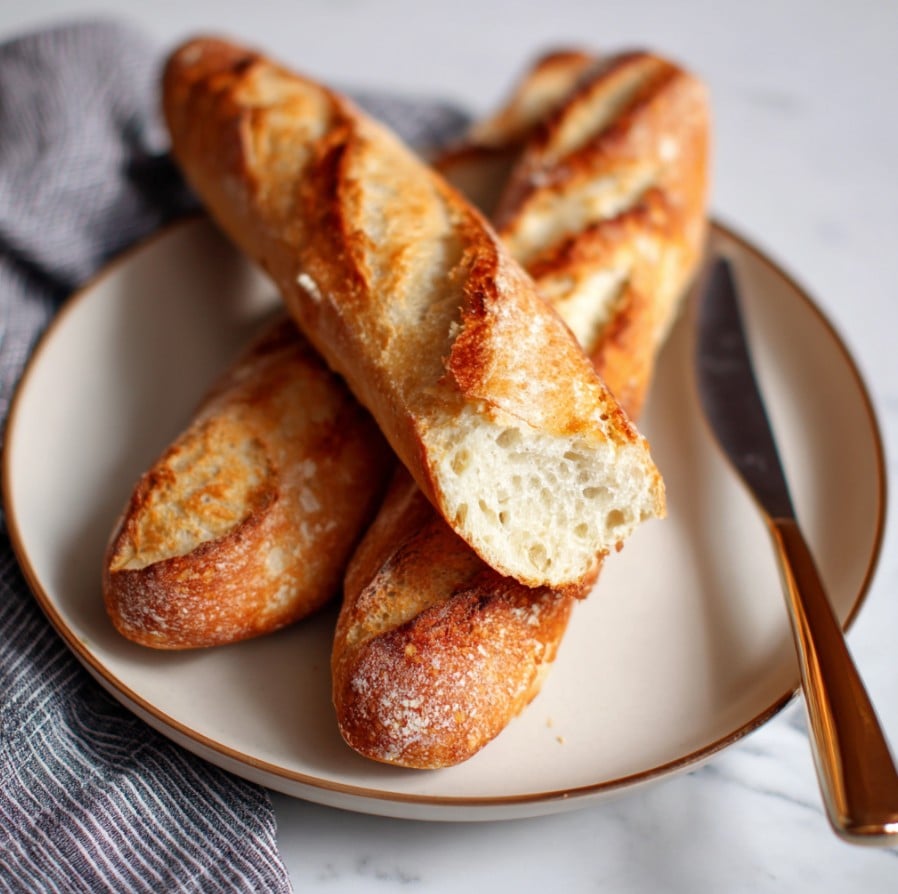
Baguette is a French bread that many people recognize for its crisp outside and soft, airy inside. It has a long, thin shape and a light texture that comes from careful baking and simple ingredients like flour, water, salt, and yeast. When you break or slice a fresh baguette, the contrast between the crunchy crust and tender interior makes it easy to taste the bread’s mild, slightly wheaty flavor.
What makes baguette a staple in French food culture is how versatile it is on the plate. It pairs well with spreads, cheeses, and soups because its neutral taste supports other flavors without taking over. Fresh slices can be enjoyed on their own, while slightly older bread is often toasted or used for sandwiches. Its steady simplicity and dependable texture have helped it remain a popular choice for meals and snacks in many places beyond France.
Baguette
Ingredients
Method
- Make the dough: Mix 4 cups bread flour, 2 teaspoons salt, 2 teaspoons yeast, and 1 1/2 cups warm water.
- Knead: Knead the dough for 8 minutes, until smooth.
- Rise: Cover and let rise for 1 1/2 hours, until doubled.
- Divide: Cut the dough into 2 equal pieces.
- Shape: Roll each piece into a 15-inch loaf. Dust lightly with 1/4 cup flour.
- Proof: Cover and let rise for 45 minutes.
- Score: Cut 4 diagonal slashes across each loaf.
- Bake: Bake at 450°F with a pan of hot water in the oven for 20 to 25 minutes.
- Cool: Cool the baguettes on a wire rack before slicing.
#11 – Croque Monsieur
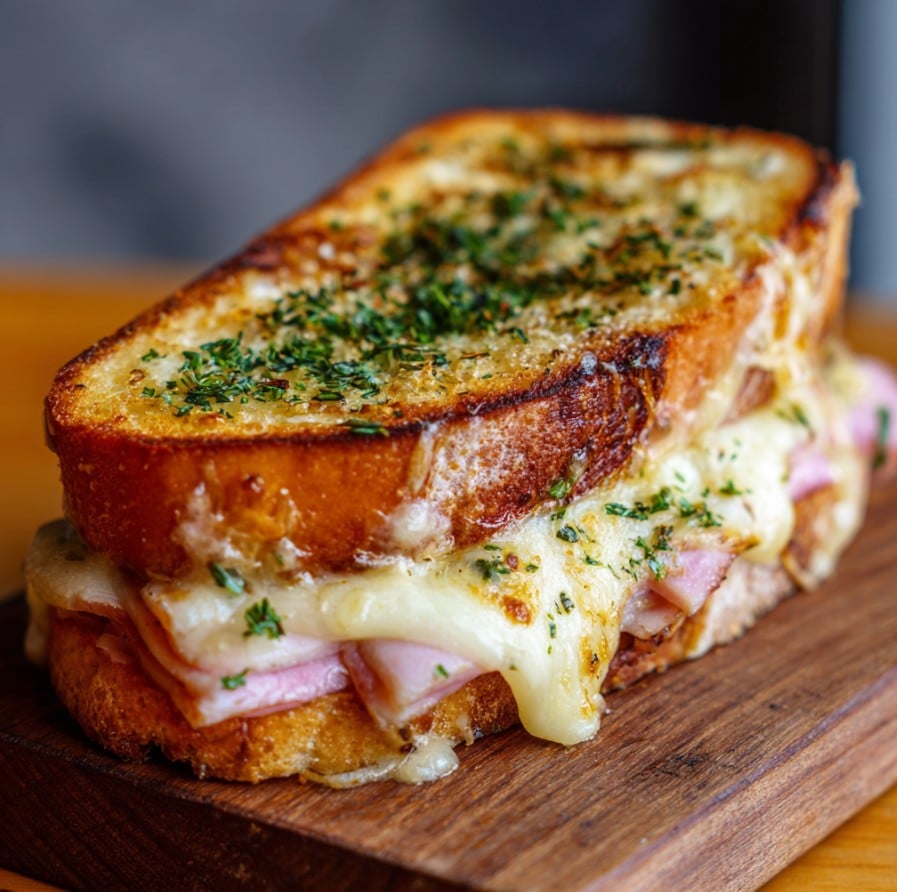
Croque Monsieur is a French sandwich that stands out for its rich, cheesy taste and warm, crisp texture. It is made with sliced bread filled with ham and a generous layer of melted cheese, often topped with more cheese that browns in the oven or under a broiler. Each bite gives you the contrast of toasted bread and gooey cheese with savory slices of ham in the middle. The flavor stays straightforward and satisfying, especially for those who enjoy hearty, savory dishes.
What draws many people to Croque Monsieur is how well its simple components work together. The bread’s slight crunch balances the soft, melted cheese, and the ham adds a salty, meaty note that rounds out the taste. It is commonly served hot, which lets the cheese stretch and remain smooth with every bite. This sandwich remains a favorite choice in cafés and bistros where familiar, comforting flavors are key.
Croque Monsieur
Ingredients
Method
- Make the béchamel: Melt 2 tablespoons butter. Stir in 2 tablespoons flour, then whisk in 1 cup milk. Cook until thick.
- Season: Stir 1/4 teaspoon salt, 1/8 teaspoon pepper, and 1/8 teaspoon nutmeg into the béchamel.
- Build the sandwiches: Spread 2 tablespoons Dijon over 4 bread slices. Add 8 oz ham and 1 cup Gruyère, then top with the remaining bread.
- Toast: Spread 2 tablespoons softened butter over the sandwiches. Cook in a skillet for 2 minutes per side.
- Top: Place on a baking sheet. Spoon over the béchamel and sprinkle with 1 cup Gruyère.
- Broil: Broil for 2 to 3 minutes, until browned and bubbling.
- Serve: Serve hot.
#10 – Duck Confit (Confit de Canard)

Duck Confit is a French dish known for its rich taste and tender texture. The duck is slowly cooked in its own fat until the meat becomes very soft and pulls easily from the bone. This method gives the duck a deep, savory flavor that stays juicy rather than dry. The skin becomes slightly crisp when finished under heat, adding a bit of texture to every bite while the meat itself remains smooth and flavorful.
Many people enjoy Duck Confit because it highlights the duck’s natural taste without strong or heavy seasoning. The slow cooking brings out a full, meaty richness that pairs well with simple sides like potatoes or greens, allowing the duck to be the star of the meal. Its texture and flavor make it a popular choice in restaurants and homes where classic French cooking is appreciated for its careful preparation and satisfying results.
Duck Confit (Confit de Canard)
Ingredients
Method
- Season the duck: Rub 4 duck legs with 2 tablespoons salt, 1 teaspoon pepper, 4 garlic cloves, 6 thyme sprigs, and 2 bay leaves.
- Cure: Cover and refrigerate for 12 to 24 hours.
- Clean the duck: Brush off the seasonings and pat the duck legs dry.
- Add the fat: Place the duck in a Dutch oven and cover with 4 cups duck fat.
- Cook: Bake at 225°F for 2 1/2 to 3 hours, until very tender.
- Cool: Let the duck legs cool slightly in the fat.
- Crisp: Place skin-side down in a hot skillet for 5 minutes, until crisp.
- Serve: Turn the duck legs and warm for 1 minute before serving.
#9 – Crêpes

Crêpes are French thin pancakes known for their light, tender texture and versatile taste. They are made from a simple batter of flour, eggs, milk, and a bit of salt, cooked until just set with slight browning on the edges. This gives them a soft, flexible feel that easily wraps around fillings or stays plain for a simple bite. The mild flavor makes them easy to pair with both sweet and savory additions without overwhelming the palate.
Sweet versions often include fruit, light spreads, or a touch of sugar, which adds gentle sweetness that complements the soft pancake. Savory styles can include cheese, ham, or eggs, offering a balanced, satisfying taste that stays familiar and comforting. Served hot off the pan, crêpes remain a go‑to choice for breakfast, snacks, or casual meals where simplicity and taste matter.
Crêpes
Ingredients
Method
- Make the batter: Whisk 1 cup flour, 2 tablespoons sugar, and 1/4 teaspoon salt with 2 eggs and 1 1/4 cups milk.
- Add the butter: Whisk in 2 tablespoons melted butter and 1 teaspoon vanilla.
- Rest: Let the batter rest for 30 minutes.
- Heat the pan: Melt a little of 2 tablespoons butter in an 8-inch skillet over medium heat.
- Cook: Pour in about 1/4 cup batter and swirl into a thin layer. Cook for 1 minute.
- Flip: Turn the crêpe and cook for 30 seconds.
- Repeat: Cook the remaining batter, adding butter as needed.
- Serve: Fold or roll the crêpes and serve warm.
#8 – Coq au Vin
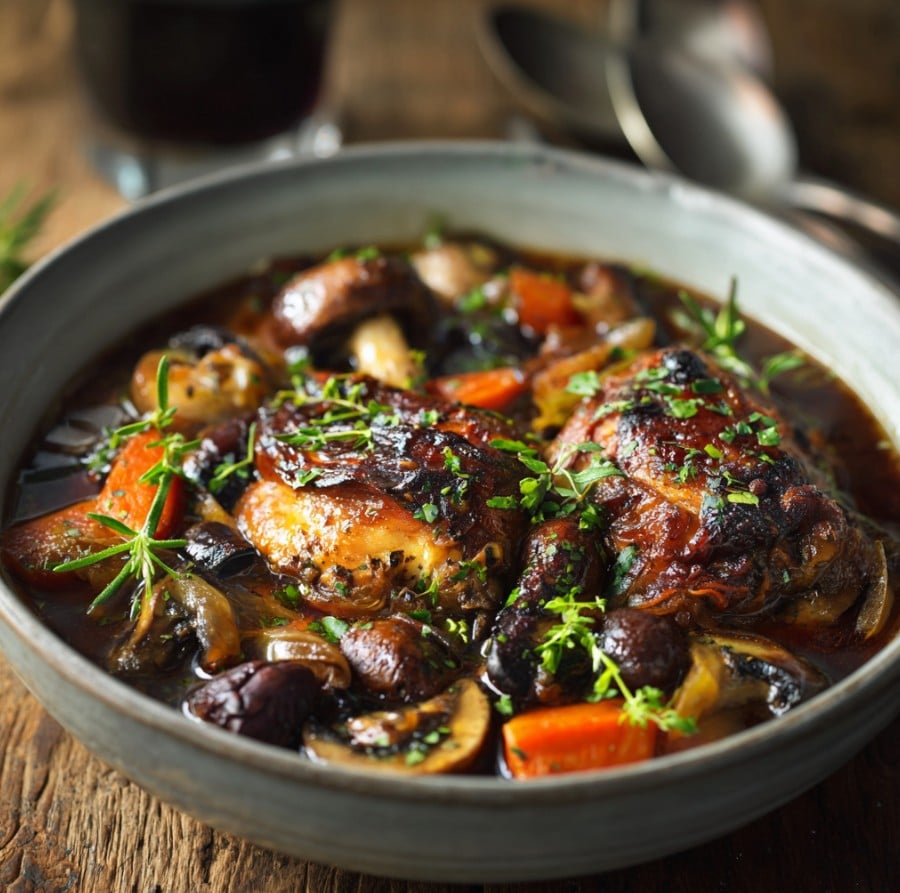
Coq au Vin is a French dish known for its deep, savory flavor and tender texture. It features chicken cooked slowly in a rich broth made with wine, herbs, and aromatics like garlic and onions. As it simmers, the meat becomes very soft and the sauce develops layers of taste that feel full and satisfying without being heavy. The slow cooking brings out the natural richness of the chicken, making each bite smooth and flavorful. Vegetables added to the pot absorb the broth’s taste, so they stay soft and carry the savory notes right through to the plate.
The wine base gives a gentle acidity that keeps the sauce from feeling too rich, while the herbs guide the overall taste without overwhelming it. This dish is often served with a side like mashed potatoes or crusty bread that soaks up the sauce and adds a warm finish to the meal. Its mix of tender meat and rich sauce makes it a classic choice in French cooking.
Coq au Vin
Ingredients
Method
- Cook the bacon: Cook 6 oz bacon in a Dutch oven until crisp. Remove and set aside.
- Brown the chicken: Season 3 lbs chicken with 1 teaspoon salt and 1/2 teaspoon pepper. Brown in the bacon fat, then remove.
- Cook the vegetables: Add 1 chopped onion and 2 sliced carrots. Cook for 5 minutes.
- Add the garlic: Stir in 4 minced garlic cloves, 2 tablespoons flour, and 2 tablespoons tomato paste. Cook for 1 minute.
- Build the sauce: Add 2 cups red wine, 1 1/2 cups chicken broth, 1 tablespoon thyme, and 2 bay leaves.
- Braise: Return the chicken and bacon. Cover and simmer for 40 minutes.
- Cook the mushrooms: Sauté 12 oz mushrooms and 8 oz pearl onions in 2 tablespoons butter for 8 minutes.
- Finish: Add the mushrooms and pearl onions. Simmer uncovered for 10 minutes.
- Serve: Remove the bay leaves and top with 2 tablespoons parsley.
#7 – Ratatouille
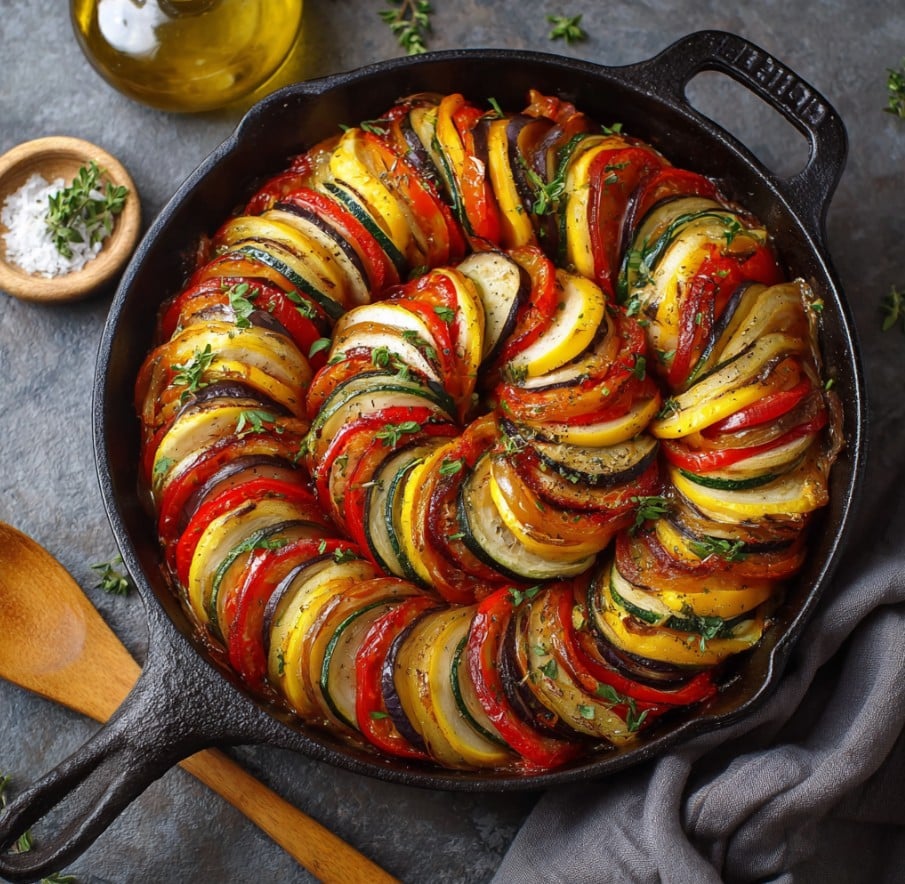
Ratatouille brings together a mix of vegetables that are cooked until soft and full of flavor. Typically made with zucchini, eggplant, peppers, and tomatoes, the vegetables are simmered so their juices blend into a rich, mellow sauce. Each bite offers a gentle sweetness from the ripe tomatoes and a smooth texture from the tender squash and eggplant. Herbs like basil or thyme add depth without overpowering the dish, making the overall taste balanced and satisfying.
Many people enjoy Ratatouille because it highlights the natural taste of fresh produce in a warm, comforting way. The vegetables stay soft and easy to eat, and the sauce holds all the flavors together in every forkful. It can be served as a main dish with bread or rice, or as a side alongside grilled meats or fish. Its simple, hearty taste makes it a favorite for those who like dishes rooted in fresh ingredients and straightforward flavor.
Ratatouille
Ingredients
Method
- Cook the eggplant: Heat 2 tablespoons olive oil. Cook 1 eggplant for 5 minutes, then remove.
- Cook the vegetables: Add 2 tablespoons olive oil, 2 zucchini, 1 red bell pepper, 1 yellow bell pepper, and 1 onion. Cook for 6 minutes.
- Add the garlic: Stir in 4 garlic cloves and cook for 1 minute.
- Add the tomatoes: Stir in 4 tomatoes, 2 tablespoons tomato paste, 1 teaspoon salt, 1/2 teaspoon pepper, and 1 teaspoon thyme.
- Simmer: Return the eggplant. Cover and simmer for 20 minutes.
- Finish: Stir in 1/4 cup basil and serve warm.
#6 – Escargot

Escargot is a French dish celebrated for its tender texture and rich, garlicky flavor. The snails are prepared carefully so they stay soft, soaking up a sauce made from butter, garlic, and parsley. The combination creates a savory, aromatic taste that is both smooth and satisfying. Each bite carries a gentle richness enhanced by the fresh herbs, giving the dish a balanced and appealing flavor.
Escargot appeals to diners who enjoy dishes with layered taste and distinctive texture. The garlic‑butter sauce brings depth and aroma, while the snails remain tender and easy to eat. Served with slices of toasted bread to soak up the sauce, each serving becomes rich and flavorful. This dish continues to be a classic in French cuisine, offering a unique and memorable experience for those who appreciate both subtlety and depth in flavor.
Escargot
Ingredients
Method
- Make the garlic butter: Mix 1/2 cup butter with 4 minced garlic cloves, 1/4 cup parsley, 1 minced shallot, 1 tablespoon white wine, 1/2 teaspoon salt, and 1/4 teaspoon pepper.
- Fill the dishes: Place 24 drained escargot in an escargot dish or small baking dishes.
- Add the butter: Spoon the garlic butter generously over each escargot.
- Bake: Bake at 425°F for 10 to 12 minutes, until bubbling.
- Toast the bread: Toast 1 sliced baguette until lightly crisp.
- Serve: Serve the escargot hot with the toasted baguette.
#5 – Quiche Lorraine

Quiche Lorraine is a French savory pie known for its rich, creamy filling and flaky crust. It combines eggs, cream, and pieces of smoky bacon baked together until firm and smooth. The result is a mild yet satisfying mix of flavors, where the tender egg base meets the slightly salty notes from the bacon. The crust stays crisp along the edges, giving each slice a pleasing contrast between soft filling and firm pastry.
Quiche Lorraine stands out because it balances comforting richness with straightforward taste. The egg and cream mixture carries a gentle flavor that does not overwhelm, while the bacon adds a hint of savory salt that makes each bite feel complete. It is often served warm or at room temperature alongside a light salad, which helps keep the dish feeling balanced and fresh. This classic French recipe remains a favorite choice for brunches, lunches, or casual meals where texture and taste matter.
Quiche Lorraine
Ingredients
Method
- Bake the crust: Fit 1 pie crust into a 9-inch pie dish. Blind bake at 375°F for 15 minutes.
- Cook the bacon: Cook 8 oz bacon until crisp. Drain and scatter over the crust.
- Add the cheese: Sprinkle 1 cup Gruyère over the bacon.
- Make the custard: Whisk 4 eggs with 1 1/2 cups heavy cream, 1/2 teaspoon salt, 1/4 teaspoon pepper, and 1/4 teaspoon nutmeg.
- Fill: Pour the custard into the crust.
- Bake: Bake at 350°F for 35 to 40 minutes, until the center is just set.
- Rest: Cool for 10 minutes before slicing.
#4 – Croissant
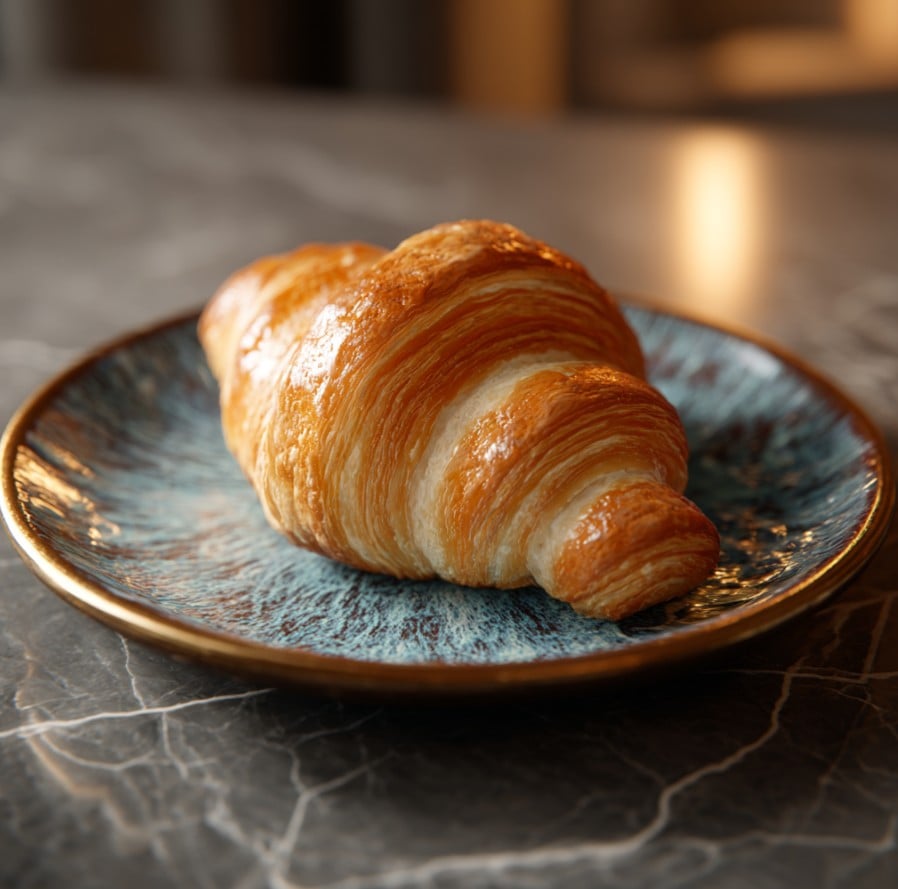
Croissant is a French pastry known for its flaky layers and buttery taste. It is made by folding butter into dough multiple times, which creates thin sheets that puff up when baked. The outside becomes lightly crisp and golden, while the inside stays soft and airy. Each bite offers a mix of light texture and rich flavor, making it a satisfying choice for breakfast or a snack.
What makes croissant stand out is how it balances texture with simple taste. The layers pull apart easily, and the buttery notes come through without being heavy. It pairs well with a range of foods, from plain to lightly sweet or savory toppings, which allows it to fit into many meals. Fresh croissants are best enjoyed warm, when the layers are most noticeable and the flavor feels most distinct.
Croissant
Ingredients
Method
- Make the dough: Mix 4 cups flour, 1/4 cup sugar, 2 teaspoons salt, 1 tablespoon yeast, 1 1/4 cups milk, and 2 tablespoons softened butter.
- Knead: Knead for 5 minutes. Cover and chill for 1 hour.
- Shape the butter: Flatten 1 1/4 cups cold butter into an 8-inch square. Chill.
- Lock in the butter: Roll the dough out, place the butter in the center, and fold the dough over it.
- Fold: Roll into a rectangle and fold into thirds. Chill for 30 minutes.
- Repeat: Roll, fold, and chill 2 more times.
- Shape: Roll the dough 1/4 inch thick. Cut into triangles and roll into croissants.
- Proof: Place on baking sheets, cover, and rise for 2 hours.
- Brush: Beat 1 egg with 1 tablespoon milk. Brush over the croissants.
- Bake: Bake at 400°F for 18 to 22 minutes, until deeply golden.
#3 – Cassoulet

Cassoulet is a French slow‑cooked dish known for its rich, hearty taste and tender texture. It brings together white beans with pieces of meat such as pork, sausage, or duck that have been cooked slowly until very soft. During the long cooking, the flavors from the meat infuse the beans and sauce, creating a full, savory profile that feels warming and substantial. Each spoonful delivers a mix of tender beans and rich meat that stays satisfying without strong spices.
The appeal of cassoulet comes from its deep, steady flavors that develop over slow cooking. The beans absorb the juices from the meat, so the taste stays consistent yet rich throughout the dish. It is typically served hot, making it a popular choice for meals where comfort and filling portions matter. The combination of soft textures and savory taste has helped cassoulet remain a classic in French cooking, enjoyed by those who like dishes with layered taste and a smooth, hearty feel.
Cassoulet
Ingredients
Method
- Soak the beans: Cover 1 lb beans with water and soak overnight. Drain.
- Cook the bacon: Cook 8 oz bacon in a Dutch oven until browned. Remove and set aside.
- Brown the sausage: Brown 1 lb sliced sausage in the bacon fat. Remove and set aside.
- Cook the vegetables: Add 1 chopped onion and 2 chopped carrots. Cook for 5 minutes.
- Add the garlic: Stir in 4 minced garlic cloves and 2 tablespoons tomato paste. Cook for 1 minute.
- Simmer the beans: Add the beans, 5 cups chicken broth, 1 teaspoon thyme, 2 bay leaves, 1 teaspoon salt, and 1/2 teaspoon pepper. Simmer for 45 minutes.
- Assemble: Add 4 duck legs, the bacon, and sausage. Sprinkle with 1 cup breadcrumbs.
- Bake: Bake uncovered at 325°F for 1 1/2 hours.
- Finish: Remove the bay leaves and sprinkle with 2 tablespoons parsley.
#2 – French Onion Soup

French Onion Soup is a classic dish known for its rich, savory broth and soft, caramel‑touched onions. The onions are cooked slowly until they become sweet and tender, giving the soup a deep flavor without heavy seasoning. A slice of toasted bread is added on top with melted cheese that forms a warm, slightly browned layer. Each spoonful delivers a mix of smooth broth, soft onions, and cheese that pulls gently with every bite, creating a satisfying taste experience.
What makes French Onion Soup a favorite is how the flavors come together in balance. The long‑cooked onions bring a gentle sweetness that pairs well with the savory broth. The toasted bread soaks up the liquid and the melted cheese adds a smooth, creamy finish. Served hot, the soup feels comforting and filling, yet not overly rich. It is often chosen as a starter or a light meal that still feels complete.
French Onion Soup
Ingredients
Method
- Caramelize the onions: Melt 4 tablespoons butter. Add 4 sliced onions and 1 teaspoon salt. Cook over medium-low heat for 40 minutes.
- Add the garlic: Stir in 2 minced garlic cloves and cook for 1 minute.
- Add the flour: Stir in 2 tablespoons flour and cook for 1 minute.
- Deglaze: Add 1/2 cup white wine and cook for 2 minutes.
- Simmer: Add 6 cups beef broth, 1 teaspoon thyme, 1 bay leaf, and 1/2 teaspoon pepper. Simmer for 30 minutes.
- Toast the bread: Toast the baguette slices at 400°F for 5 minutes.
- Assemble: Divide the soup among oven-safe bowls. Top with toasted baguette and 2 cups shredded Gruyère.
- Broil: Broil for 2 to 3 minutes, until the cheese is browned and bubbling.
#1 – Boeuf Bourguignon

Boeuf Bourguignon is a French stew known for its deep, savory flavor and melt‑in‑the‑mouth texture. Beef is slowly simmered in red wine with onions, carrots, and herbs until it becomes very tender and rich in taste. The long, gentle cooking allows the juices from the meat and vegetables to blend with the wine, creating a sauce that feels smooth and full without heavy seasoning. Each bite offers a warm, satisfying taste that stays rich yet balanced.
The wine adds a gentle acidity that lifts the dish, while the vegetables become soft and soak up the savory notes. This stew is often served with simple sides like potatoes or crusty bread that help carry the sauce, making the meal feel complete. Because of its satisfying texture and rich taste, it remains a classic choice in French cuisine.
Boeuf Bourguignon
Ingredients
Method
- Cook the bacon: Cook 6 oz bacon in a Dutch oven until crisp. Remove and set aside.
- Sear the beef: Season 3 lbs beef with 1 teaspoon salt and 1/2 teaspoon pepper. Coat with 2 tablespoons flour, then brown in 2 tablespoons olive oil.
- Cook the vegetables: Add 1 chopped onion and 2 sliced carrots. Cook for 5 minutes.
- Add the garlic: Stir in 4 minced garlic cloves and 2 tablespoons tomato paste. Cook for 1 minute.
- Build the sauce: Add 3 cups red wine, 2 cups beef broth, 1 teaspoon thyme, and 2 bay leaves. Return the beef and bacon.
- Braise: Cover and cook at 325°F for 2 1/2 hours.
- Cook the mushrooms: Sauté 12 oz mushrooms and 12 oz pearl onions in 2 tablespoons butter for 8 minutes.
- Finish: Add the mushrooms and pearl onions. Cook uncovered for 20 minutes.
- Serve: Remove the bay leaves and top with 2 tablespoons chopped parsley.


Where are the recipes??
I hear you, Katherine! Recipes will be up soon.
Are the recipes available yet?
Appreciate your message, Valerie. Recipes are coming soon.
They all look truly amazing.
I’m going to make them all , one every month .
Thanks, Robin! Sounds like you’ve got a full year of good meals planned already.
Please post recipes!
Thanks, Katherine! I’ve started adding recipes and hope to include even more soon.
Great authentic dishes explained. Thank you.
Sue, happy to hear that! Thanks for reading and sharing your kind words.
Thank you for sharing these beautiful French dishes.
Charmaine, you’re very welcome! Glad you enjoyed the selection.
We want the recipes, ci vous plais!
Sharon, we hear you! We’ll take a look at adding the recipes.
Are there suggestion for serving size/# of people for these recpes ?? they look amazing , by the way
Joann, thanks so much! We’ll review adding serving size suggestions for the recipes.
Thanks for the wonderful recipes. Going to try all that have been sent.
Linda, you’re very welcome! We hope you enjoy trying the recipes.