

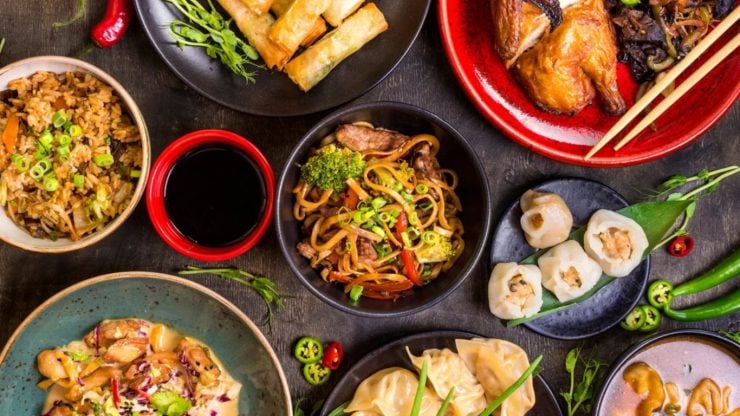
Chinese food has been enjoyed for generations because it offers familiar flavors and comforting meals that suit many moments in daily life. It is often shared with family, friends, or enjoyed on a quiet day at home. This article introduces a list of the best Chinese foods that many people continue to enjoy today. These foods have become well known through tradition, habit, and repeated enjoyment over time, making them a steady part of everyday eating.
Chinese cooking focuses on balance, using a mix of textures, aromas, and tastes that feel complete without being complicated. Many dishes rely on simple ingredients and cooking methods that bring out natural flavors. Over the years, Chinese food has remained popular because it feels reliable and satisfying, whether eaten casually or during special gatherings. This guide is meant to give readers a clear and helpful overview of Chinese foods that continue to be widely enjoyed, making it easier to understand why they remain a favorite choice for so many people.
#25 – Beef Chow Fun
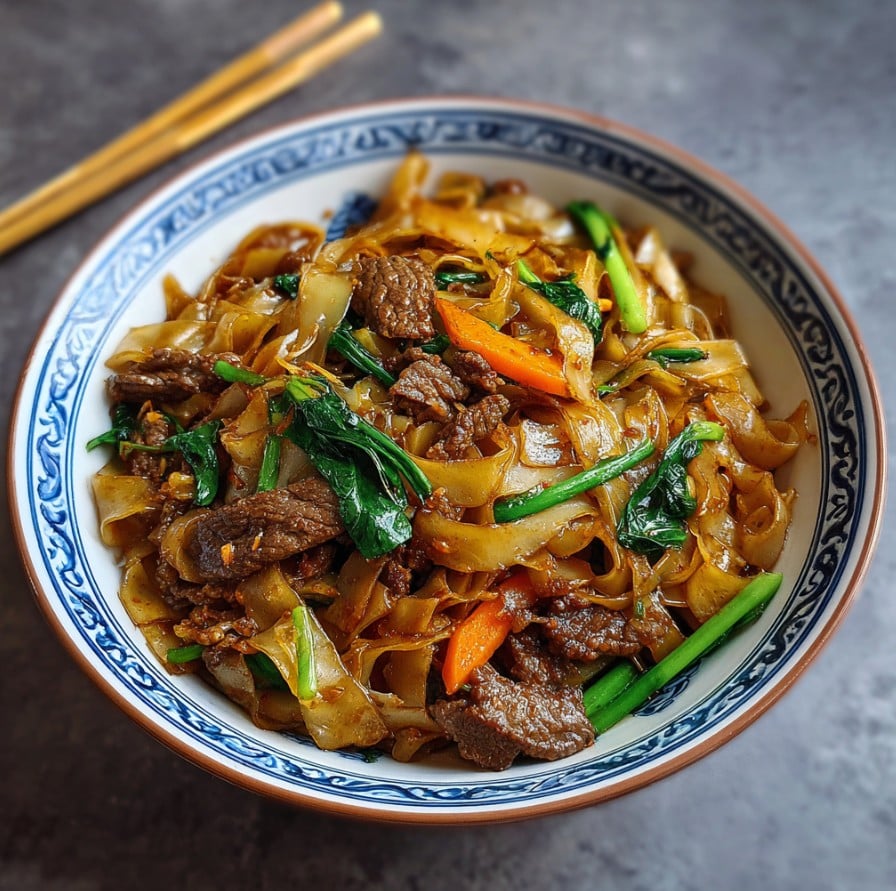
Beef Chow Fun is a classic Chinese noodle dish made with wide, flat rice noodles stir-fried with beef and simple seasonings. The noodles are known for their smooth texture and ability to absorb flavor without breaking apart. Beef Chow Fun is cooked over high heat, which helps create a lightly smoky taste while keeping the noodles tender. The beef is usually sliced thin so it cooks quickly and stays soft. This balance of noodles and meat makes the dish filling without feeling too heavy.
The wide rice noodles give the dish a distinct feel compared to thinner noodles, while the beef adds richness and depth. Proper cooking technique is important, since the noodles need to stay intact and lightly charred without sticking. Because of this, Beef Chow Fun is often seen as a good example of skilled stir-fry cooking. It remains a favorite choice for people who enjoy noodle dishes with clean, savory flavor.
Beef Chow Fun
Ingredients
Method
- Marinate the beef: Mix 1 lb beef with 1 tablespoon light soy sauce, 1 tablespoon Shaoxing wine, and 2 teaspoons cornstarch. Rest for 15 minutes.
- Make the sauce: Mix 1 tablespoon light soy sauce, 1 tablespoon dark soy sauce, 1 tablespoon oyster sauce, 1 teaspoon sesame oil, and 1/4 teaspoon white pepper.
- Cook the beef: Heat 1 tablespoon vegetable oil. Stir-fry the beef for 2 minutes, then remove.
- Cook the noodles: Heat 2 tablespoons vegetable oil. Add 1 lb rice noodles and cook for 2 minutes.
- Add the vegetables: Add 1/2 sliced onion, 3 green onions, and 2 cups bean sprouts. Stir-fry for 1 minute.
- Combine: Return the beef and pour in the sauce. Toss for 1 to 2 minutes.
- Serve: Serve hot.
#24 – Hot and Sour Soup
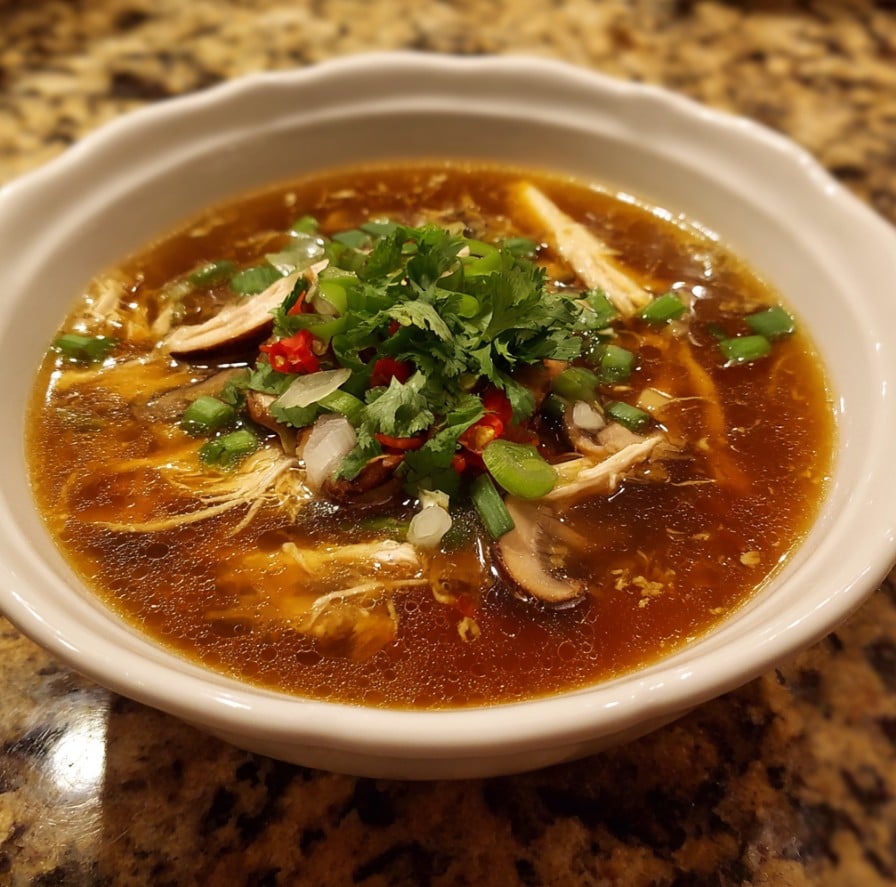
Hot and Sour Soup is a classic Chinese soup known for its mix of bold flavors and satisfying texture. It typically includes ingredients like tofu, mushrooms, bamboo shoots, vinegar, and white pepper in a broth that is both tangy and slightly spicy. The heat and tang balance each other, giving the soup a lively taste that many people enjoy. It is a common starter or side dish in Chinese meals and is appreciated for how its flavors come together in one bowl.
This soup is also known for its thicker texture, often achieved by adding a small amount of cornstarch to the broth. That gives it a smooth feel without being heavy. Hot and Sour Soup has become well known outside China as well, often showing up on menus and in home cooking as a go‑to when someone wants a warm, flavorful dish. Its mix of warmth and punch makes it a memorable part of Chinese cooking for many people.
Hot and Sour Soup
Ingredients
Method
- Start the broth: Bring 6 cups chicken broth to a simmer.
- Add the fillings: Add 8 oz tofu, 4 oz mushrooms, 1/2 cup bamboo shoots, and 4 oz pork. Simmer for 5 minutes.
- Season: Stir in 3 tablespoons Chinkiang vinegar, 2 tablespoons soy sauce, 1 tablespoon chili oil, 1 teaspoon white pepper, and 1 teaspoon sesame oil.
- Thicken: Mix 3 tablespoons cornstarch with 1/4 cup water. Stir into the soup.
- Add the eggs: Slowly pour in 2 beaten eggs while gently stirring.
- Finish: Add 3 sliced green onions and cook for 1 minute.
- Serve: Ladle into bowls and serve hot.
#23 – Bao Buns
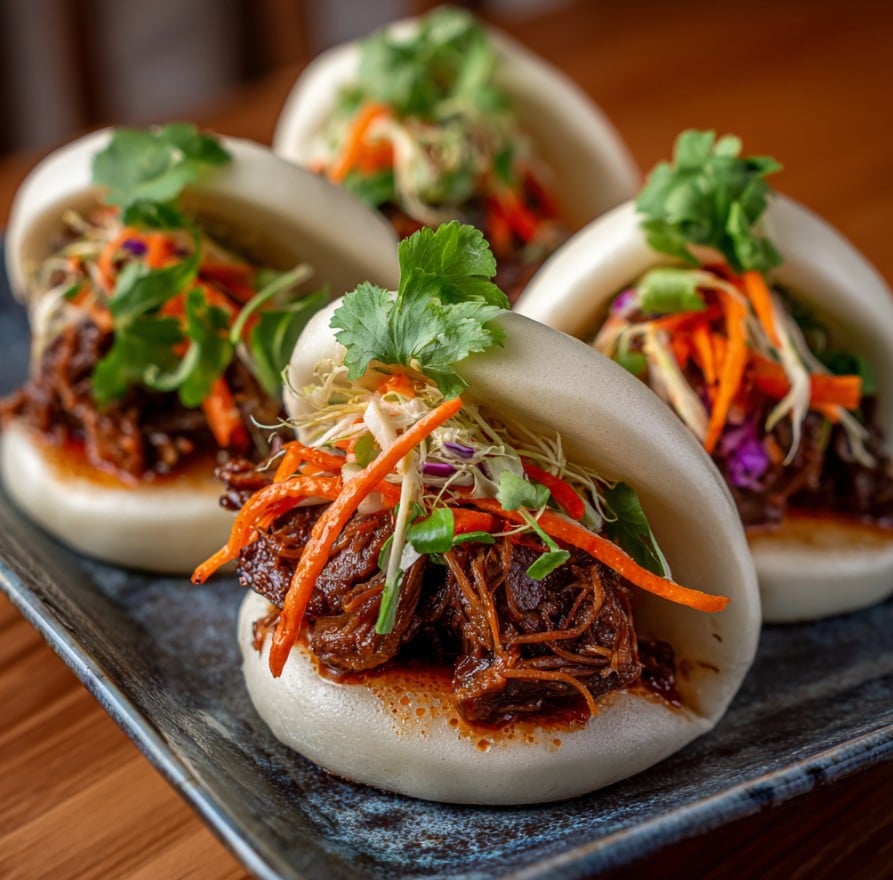
Bao Buns are soft, steamed buns that come from a long tradition in Chinese cooking. They are made from a simple dough that becomes light and fluffy when steamed. People enjoy them because they are easy to hold, easy to eat, and pair well with many types of ingredients. Bao Buns have grown in popularity in many countries as more people try Chinese foods and learn about classic styles of cooking. Their soft texture and warm feel make them a go‑to choice for someone looking for comfort food that is still easy and casual.
What makes Bao Buns stand out is their simple design and flexible use. They can be filled in many ways, which lets cooks adapt them to different tastes while keeping the basic bun the same. Because they are small and sharable, they are often part of group meals or quick bites with friends. Many people enjoy Bao Buns for their balance of softness and flavor, making them familiar and enjoyed by many food lovers.
Bao Buns
Ingredients
Method
- Mix the dough: Combine 3 cups flour, 2 tablespoons sugar, 2 teaspoons yeast, 1 teaspoon baking powder, and 1/2 teaspoon salt.
- Add the liquid: Mix in 1 cup warm milk and 2 tablespoons vegetable oil.
- Knead: Knead for 8 minutes, until smooth.
- Rise: Cover and let the dough rise for 1 hour.
- Shape: Divide into 12 pieces and roll each into an oval.
- Fold: Brush with 1 tablespoon vegetable oil and fold each oval in half.
- Rest: Cover and let the buns rest for 20 minutes.
- Steam: Steam the buns for 10 minutes.
- Serve: Rest for 2 minutes, then serve warm.
#22 – Lanzhou Beef Noodles
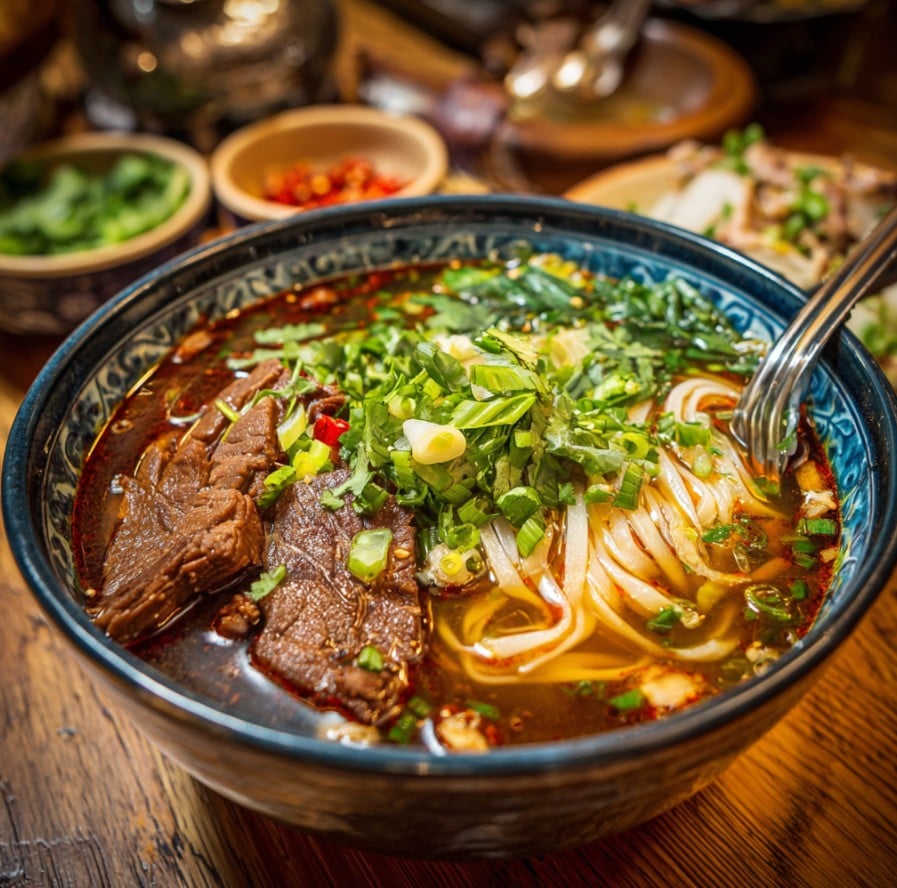
Lanzhou Beef Noodles are a traditional Chinese noodle soup originating from Lanzhou, a city in northwest China’s Gansu province. The dish features hand‑pulled wheat noodles served in a clear, savory beef broth. It typically includes sliced beef, radish, herbs, and chili oil, creating a mix of textures and flavors that many people find comforting. The noodles are made by stretching and pulling dough by hand, which gives them a springy and satisfying bite. This careful technique is part of what makes Lanzhou Beef Noodles unique and widely appreciated.
People enjoy this dish for its rich broth, chewy noodles, and the way it represents local culinary traditions from northwest China. It has grown in popularity as a quick yet hearty meal that is both filling and flavorful. Lanzhou Beef Noodles remain a favorite choice for anyone looking for a simple, satisfying, and authentic taste of Chinese cuisine.
Lanzhou Beef Noodles
Ingredients
Method
- Blanch the beef: Boil 2 lbs beef shank for 5 minutes. Drain and rinse.
- Start the broth: Add the beef to 12 cups water with 1 onion, 2 oz ginger, and 6 garlic cloves.
- Add the spices: Add 2 star anise, 1 cinnamon stick, 1 teaspoon Sichuan peppercorns, and 2 bay leaves.
- Season: Add 2 tablespoons soy sauce, 1 tablespoon Shaoxing wine, and 2 teaspoons salt.
- Simmer: Cover and cook over low heat for 2 hours, until the beef is tender.
- Add the radish: Add 1 sliced daikon and simmer for 20 minutes.
- Cook the noodles: Boil 1 lb fresh wheat noodles until tender, then drain.
- Assemble: Divide the noodles among bowls. Add beef, radish, and hot broth.
- Finish: Top with 1/2 cup cilantro, 4 sliced green onions, and 1/4 cup chili oil.
#21 – Scallion Pancakes
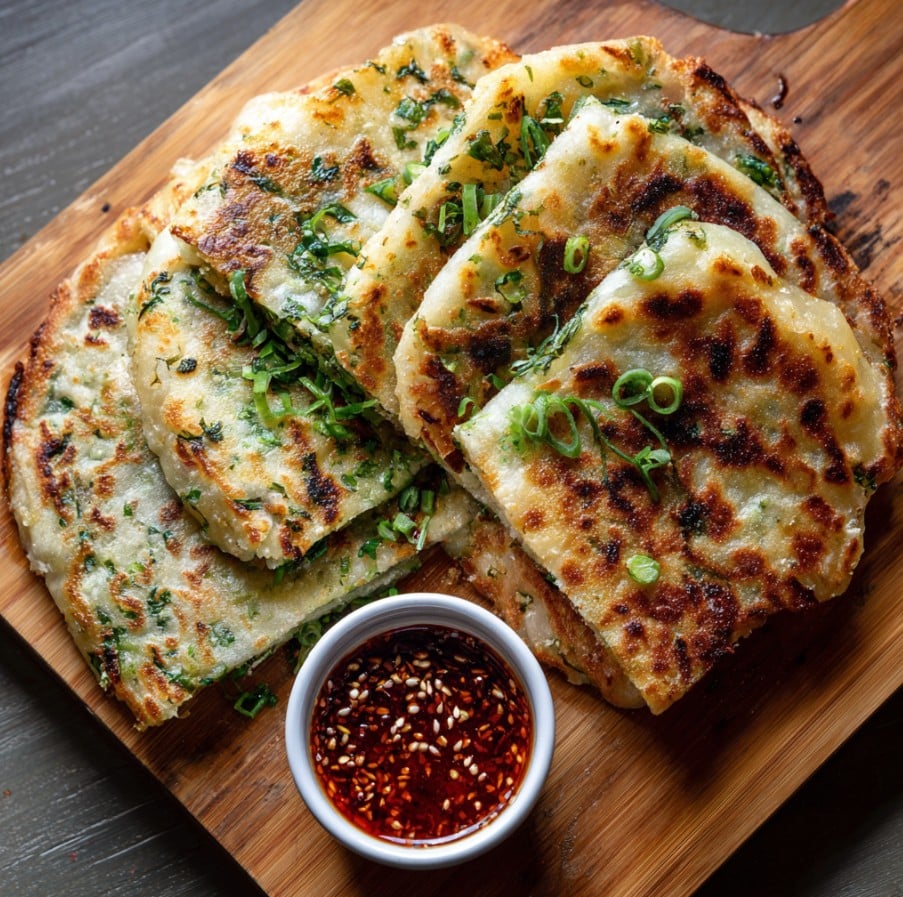
Scallion Pancakes are a savory flatbread known in Chinese as Cong You Bing. They are made from an unleavened wheat dough mixed with chopped scallions and folded multiple times to create thin layers. When pan‑fried, the outside becomes crisp while the inside stays soft and chewy, giving each bite a mix of textures that many people enjoy. These pancakes are simple in ingredients but satisfying in flavor, showing how basic elements can come together to form a popular food. They are commonly eaten as a snack, side dish, or part of a casual meal.
The layering process during preparation is what gives scallion pancakes their unique texture and chew. They are easy to pair with sauces or other foods and are familiar in many Chinese regions. These pancakes are often made in homes, sold at street stalls, or served in casual restaurants. Many people appreciate scallion pancakes for their comforting feel, simple preparation, and long-standing place in Chinese cooking traditions.
Scallion Pancakes
Ingredients
Method
- Make the dough: Mix 2 cups flour with 3/4 cup hot water. Add up to 1/4 cup cold water until a soft dough forms.
- Knead: Knead the dough for 5 minutes, then cover and rest for 30 minutes.
- Divide: Cut the dough into 4 equal pieces and roll each into a thin circle.
- Fill: Brush with 2 tablespoons sesame oil, then divide 1 teaspoon salt and 1 cup green onions over the dough.
- Roll: Roll each circle into a log, coil it, then flatten and roll thin.
- Fry: Heat 1/4 cup vegetable oil in a skillet. Cook each pancake for 2 to 3 minutes per side.
- Serve: Cut into wedges and serve hot.
#20 – Dongpo Pork
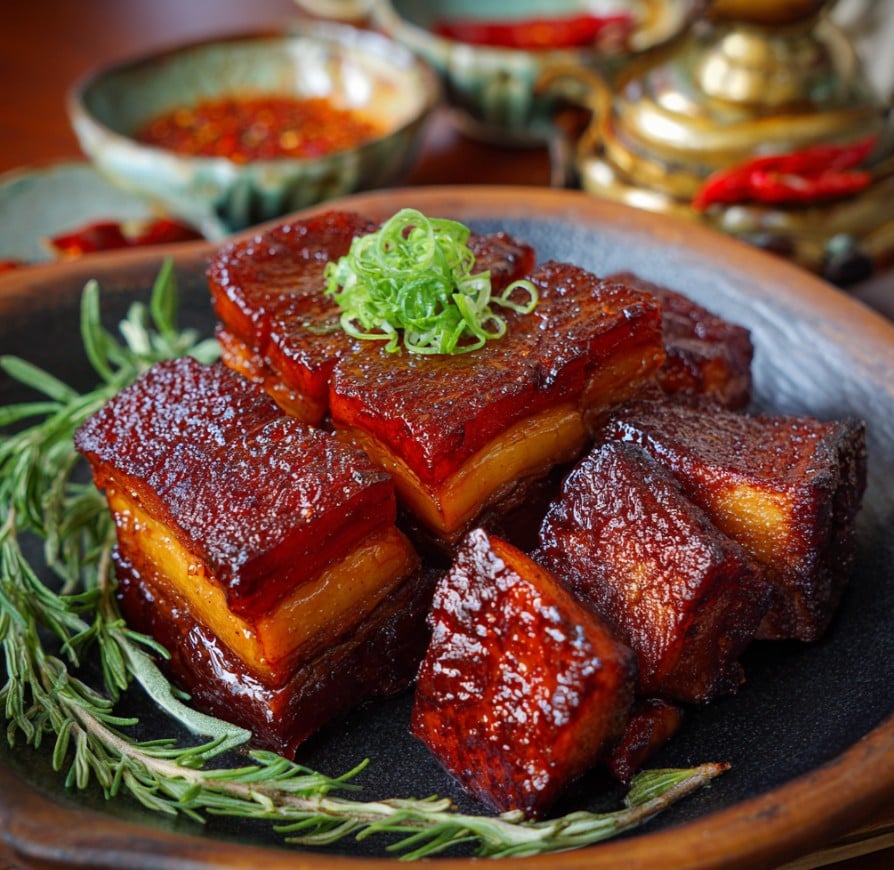
Dongpo Pork is a classic Chinese braised pork belly dish from Hangzhou, China. It is made from thick pieces of pork belly with a balanced mix of fat and lean meat. The pork is slowly simmered in a combination of soy sauce, Shaoxing cooking wine, ginger, scallions, sugar, and sometimes rice wine. This slow cooking method makes the meat very tender and flavorful without being greasy. The texture is soft enough to easily pull apart with chopsticks, giving each bite a rich and satisfying feel.
The dish is named after Su Dongpo, a famous poet and statesman whose cooking style inspired this preparation. Dongpo Pork has become a key part of Hangzhou cuisine and is celebrated for how the fragrant sauce complements the tender pork. Its combination of rich flavor and soft texture has made it a favorite for those who enjoy traditional Chinese braised dishes.
Dongpo Pork
Ingredients
Method
- Blanch the pork: Boil 2 lbs pork belly for 5 minutes. Drain and pat dry.
- Layer the pot: Arrange 6 green onions and 2 oz ginger in a Dutch oven. Place the pork skin-side down on top.
- Add the liquid: Pour in 1/2 cup Shaoxing wine, 1/3 cup light soy sauce, 2 tablespoons dark soy sauce, and 2 cups water.
- Season: Add 1/4 cup rock sugar, 2 star anise, and 1 cinnamon stick.
- Braise: Cover and simmer over low heat for 1 1/2 hours.
- Turn: Flip the pork skin-side up and cook for 45 minutes.
- Reduce: Uncover and simmer for 10 to 15 minutes, until the sauce thickens.
- Serve: Spoon the sauce over the pork and serve hot.
#19 – Beef and Broccoli
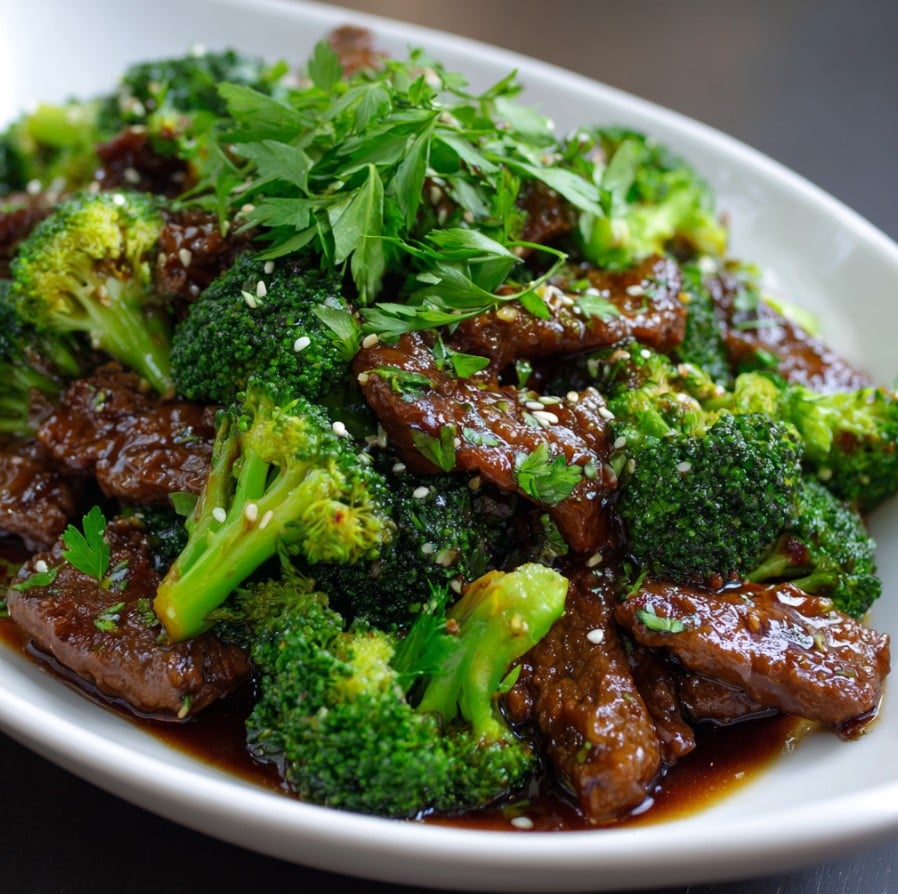
Beef and Broccoli is a well-known Chinese-style dish that pairs tender slices of beef with crisp broccoli in a savory soy-based sauce. The sauce typically combines soy sauce, garlic, ginger, and a touch of sugar, creating a balanced flavor that complements both the meat and the vegetable. The beef is usually stir-fried quickly to keep it tender, while the broccoli retains a slight crunch. This mix of textures and flavors makes the dish satisfying and easy to enjoy.
The dish is also appreciated for its versatility and lightness. The sauce enhances the natural taste of the ingredients without being heavy, making it a comforting choice for any meal. Its simple preparation allows the flavors of the beef and broccoli to shine, creating a well-balanced dish that highlights both protein and vegetables.
Beef and Broccoli
Ingredients
Method
- Marinate the beef: Toss 1 lb beef with 1 tablespoon soy sauce, 1 tablespoon Shaoxing wine, and 2 teaspoons cornstarch. Rest for 15 minutes.
- Make the sauce: Mix 1/3 cup beef broth, 3 tablespoons oyster sauce, 2 tablespoons soy sauce, 1 tablespoon brown sugar, and 1 teaspoon sesame oil.
- Cook the broccoli: Heat 1 tablespoon vegetable oil. Stir-fry 4 cups broccoli for 3 minutes, then remove.
- Cook the beef: Heat 2 tablespoons vegetable oil. Stir-fry the beef for 2 to 3 minutes.
- Add the aromatics: Stir in 3 minced garlic cloves and 1 tablespoon ginger. Cook for 30 seconds.
- Combine: Return the broccoli and pour in the sauce.
- Thicken: Mix 1 tablespoon cornstarch with 2 tablespoons water. Stir in and cook for 1 minute.
- Serve: Serve hot.
#18 – Stinky Tofu
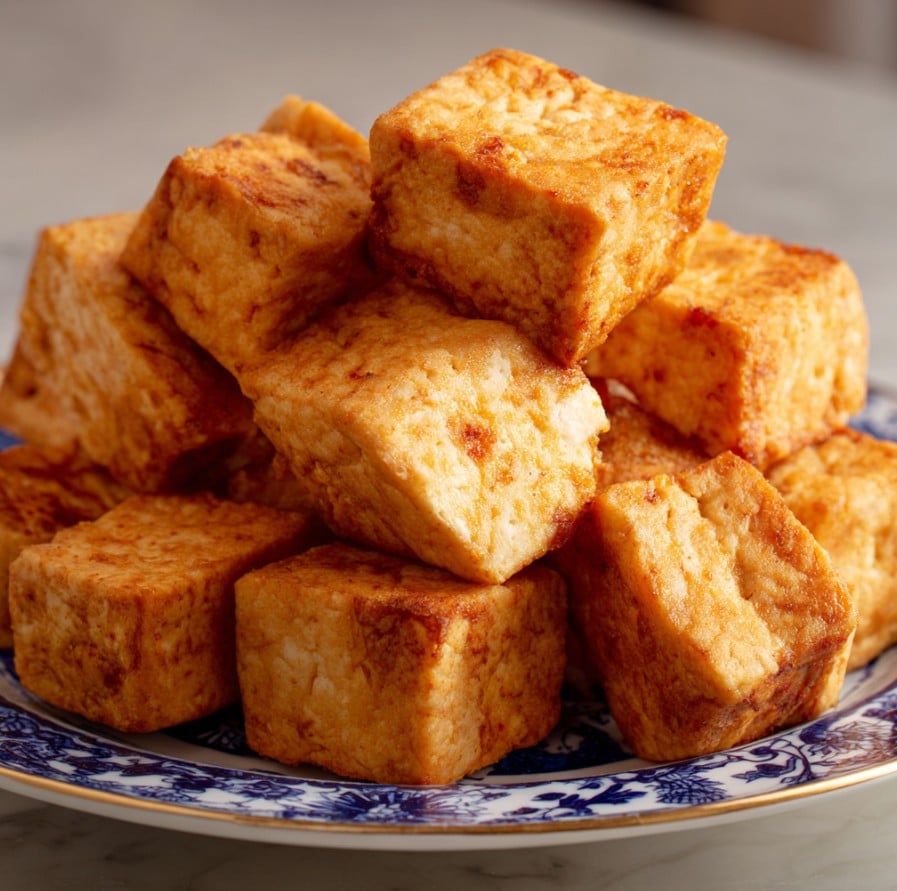
Stinky Tofu is a form of fermented tofu that is known for its strong smell and bold taste. It is made by soaking tofu in a brine of fermented milk, vegetables, and sometimes seafood, which gives it a strong aroma that some people find surprising at first. When cooked, the outside becomes crispy while the inside stays soft. The contrast in texture makes it a distinct item in Chinese and other East Asian food cultures. Stinky tofu is often found at street food markets and local food stalls where people enjoy it as a quick and flavorful choice.
People who like stinky tofu appreciate it for more than the smell. The fermentation process gives the tofu a deeper, layered taste that can be salty, slightly tangy, and rich in savory notes. It is usually served with a sauce that balances its strong aroma, helping bring out its taste. For many, stinky tofu is a memorable and unique part of regional food traditions that reflects a long history of preservation and flavor development.
Stinky Tofu
Ingredients
Method
- Marinate the tofu: Cover 1 lb tofu with 2 cups prepared stinky tofu brine. Refrigerate for 12 to 24 hours.
- Drain: Remove the tofu from the brine and pat dry.
- Heat the oil: Heat 4 cups vegetable oil to 350°F.
- Fry: Fry the tofu for 4 to 5 minutes, until crisp and golden. Drain.
- Make the sauce: Mix 2 tablespoons soy sauce, 1 tablespoon rice vinegar, 1 tablespoon chili sauce, 1 teaspoon sesame oil, and 2 minced garlic cloves.
- Top: Add 1/2 cup pickled cabbage, 2 sliced green onions, and 2 tablespoons cilantro.
- Serve: Serve the fried tofu hot with the sauce.
#17 – Dan Dan Noodles
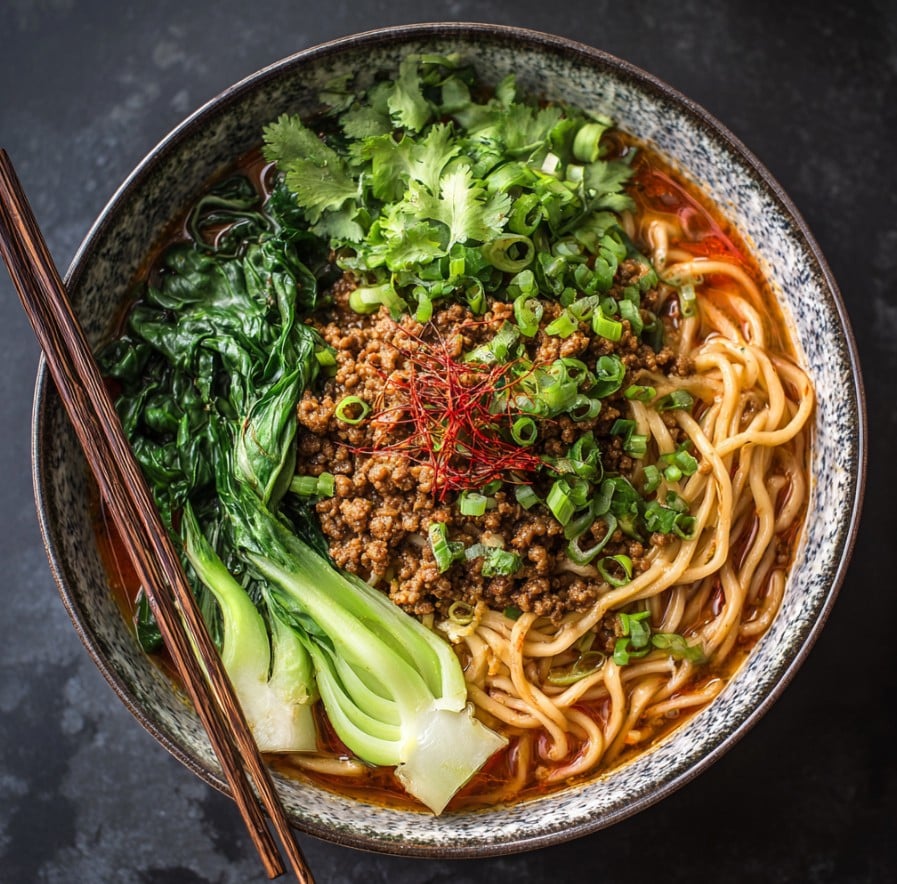
Dan Dan Noodles are a beloved Chinese noodle dish that come from the Sichuan region. They feature thin wheat noodles served with a spicy, savory sauce made from chili oil, soy sauce, vinegar, and Sichuan peppercorns. The sauce often includes minced meat and preserved vegetables that add a deep, rich taste. What sets Dan Dan Noodles apart is the bold combination of spice and tang, which gives each bite a lively and memorable flavor that many people enjoy.
The name of the dish refers to the carrying pole vendors once used to sell it in the streets. Dan Dan Noodles are known for their mix of textures, with firm noodles and a sauce that clings well without being heavy. The use of Sichuan peppercorns gives a mild tingle that pairs with the heat of the chili oil, making this dish stand out among other noodle options. It remains a favorite for those who enjoy bold tastes and classic regional Chinese noodles.
Dan Dan Noodles
Ingredients
Method
- Cook the pork: Heat 1 tablespoon vegetable oil. Brown 8 oz ground pork.
- Season the pork: Add 1 tablespoon soy sauce, 1 tablespoon Shaoxing wine, and 1/2 cup ya cai. Cook for 2 minutes.
- Make the sauce: Mix 1/4 cup sesame paste, 3 tablespoons chili oil, 2 tablespoons soy sauce, 1 tablespoon vinegar, 1 teaspoon sugar, 1 teaspoon Sichuan peppercorns, and 2 minced garlic cloves.
- Add the broth: Stir 1/2 cup warm chicken broth into the sauce.
- Cook the noodles: Boil 12 oz wheat noodles until tender, then drain.
- Assemble: Divide the sauce and noodles among bowls. Top with the pork.
- Finish: Add 4 sliced green onions and 1/4 cup chopped peanuts.
- Serve: Toss well and serve hot.
#16 – Scrambled Eggs with Tomatoes
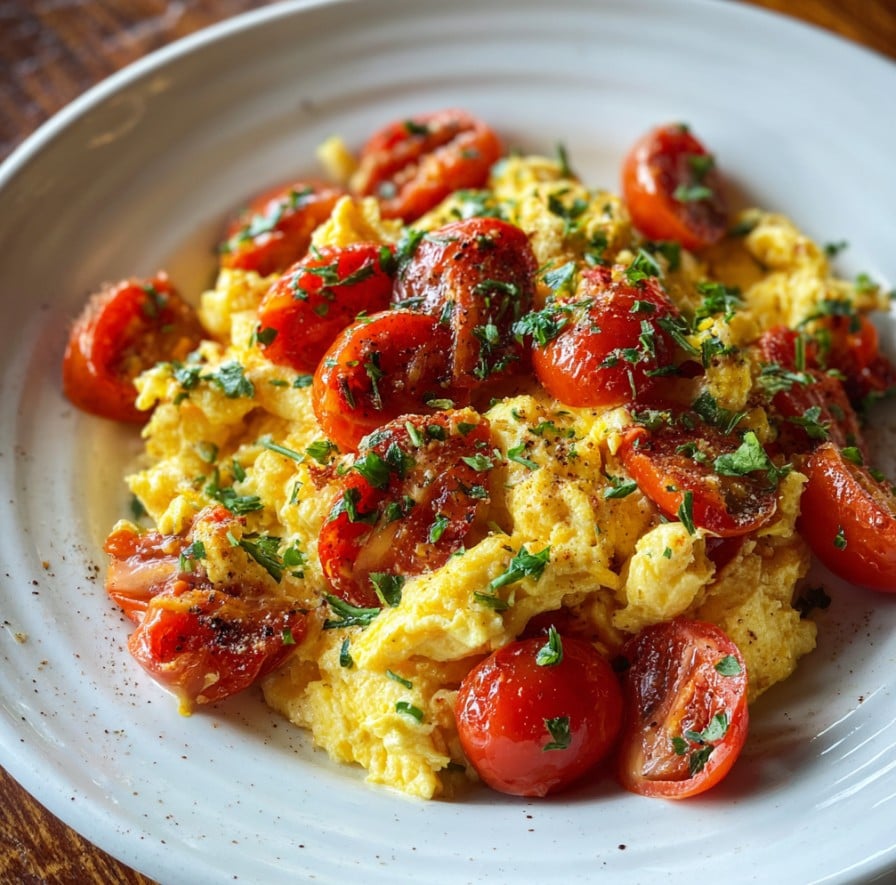
Scrambled Eggs with Tomatoes is a simple and comforting Chinese dish made with fresh eggs and ripe tomatoes. The eggs are beaten and cooked until soft, then mixed with tomatoes that have been lightly sautéed to release their juices. The result is a warm, juicy dish where the eggs stay tender and the tomatoes add a mellow, slightly sweet taste. Many people appreciate this dish because it feels familiar and easy to enjoy, whether for breakfast, lunch, or dinner.
Part of what makes this dish popular is its balance of textures and mild flavors. The soft eggs and juicy tomatoes come together without heavy seasonings, letting the natural taste of the ingredients stand out. It is quick to prepare, which makes it a common choice for home cooking and everyday meals. For those looking for a simple yet satisfying meal, Scrambled Eggs with Tomatoes remains a steady favorite in Chinese households.
Scrambled Eggs with Tomatoes
Ingredients
Method
- Beat the eggs: Whisk 6 eggs with 1/4 teaspoon salt and 1/4 teaspoon white pepper.
- Scramble: Heat 2 tablespoons vegetable oil. Cook the eggs until softly set, then remove.
- Cook the tomatoes: Heat 1 tablespoon vegetable oil. Add 4 tomatoes and cook for 2 to 3 minutes.
- Season: Add 1 teaspoon sugar, 1 teaspoon soy sauce, and the remaining 1/4 teaspoon salt.
- Combine: Return the eggs and gently toss with the tomatoes.
- Finish: Add 2 sliced green onions and 1 teaspoon sesame oil.
- Serve: Serve hot.
#15 – Char Siu (BBQ Pork)
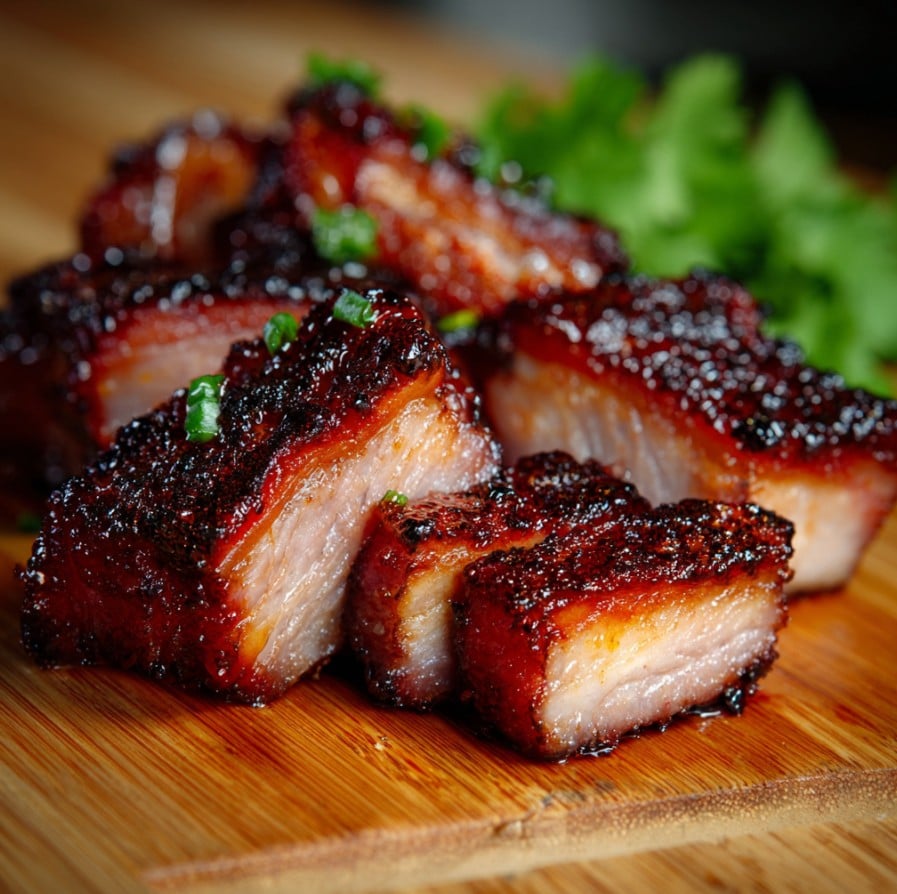
Char Siu (BBQ Pork) is a classic Chinese roasted pork that is known for its rich, savory flavor and red‑tinted exterior. The name means “fork roasted” in Cantonese, reflecting the traditional way the meat was cooked over a fire on long forks. The pork is marinated in a mix of soy sauce, honey, hoisin, and five‑spice powder, giving it a deep taste that matches well with rice or served in other dishes. The slow roasting process makes the meat tender and juicy, while the marinade adds a slightly sweet and salty layer of flavor that many people enjoy.
This style of roasted pork has a long place in Chinese cooking and is often seen hanging in windows of butcher shops and food stalls in many regions. Its appeal comes from the way the marinade seeps into the meat and the gentle char that forms on the outside during roasting. Char Siu is widely picked for meals that call for flavorful protein, and it remains familiar to people who enjoy hearty, seasoned meats in Chinese cuisine.
Char Siu (BBQ Pork)
Ingredients
Method
- Make the marinade: Mix 1/4 cup hoisin, 1/4 cup honey, 3 tablespoons soy sauce, 2 tablespoons Shaoxing wine, 2 tablespoons brown sugar, 1 tablespoon oyster sauce, 1 teaspoon five-spice, 1 teaspoon sesame oil, 3 minced garlic cloves, and 1/2 teaspoon food coloring.
- Marinate the pork: Coat 2 lbs pork with the marinade. Refrigerate for 8 to 12 hours.
- Prep: Place the pork on a rack over a foil-lined baking sheet. Reserve the marinade.
- Roast: Roast at 400°F for 20 minutes.
- Glaze: Brush with reserved marinade, turn, and roast for 15 minutes.
- Finish: Brush with 2 tablespoons honey and roast for 5 to 10 minutes, until caramelized.
- Rest: Let the pork rest for 10 minutes.
- Serve: Slice thinly and serve warm.
#14 – Zhajiangmian (Black Bean Noodles)
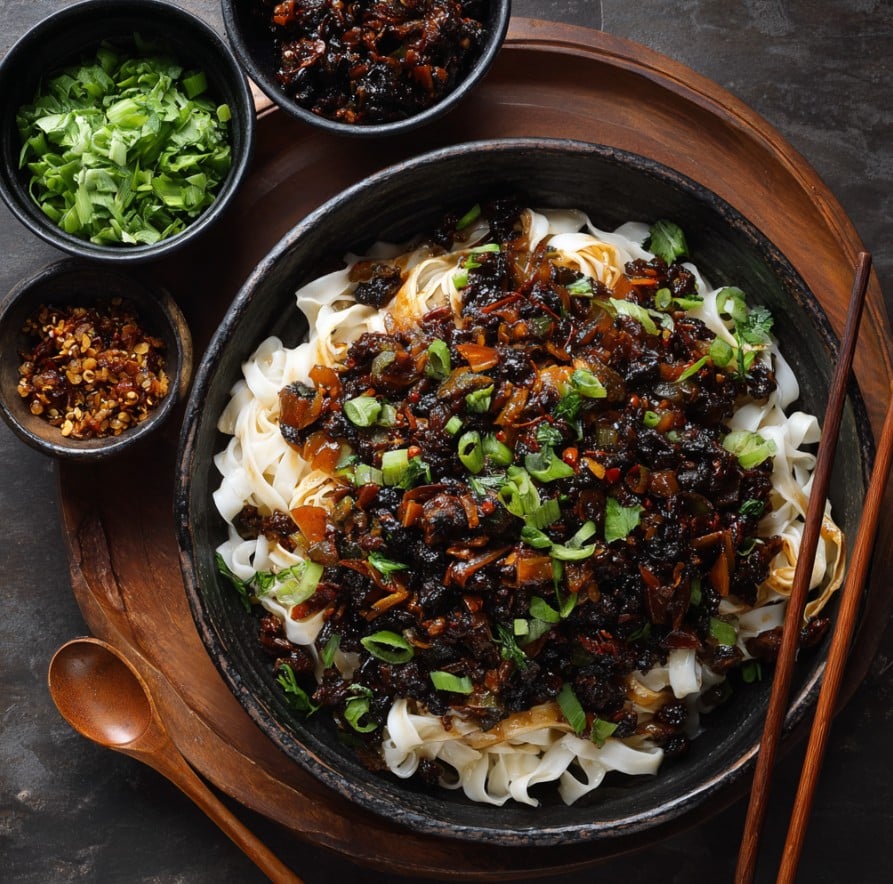
Zhajiangmian (Black Bean Noodles) is a classic Chinese noodle dish that comes from northern China. It features wheat noodles topped with a rich sauce made from fermented soybean paste, sometimes mixed with minced meat and aromatics like garlic and ginger. The sauce is cooked until it becomes deeply flavored and coats the noodles well, giving each bite a savory and slightly salty taste that many people enjoy. Zhajiangmian is known for its hearty feel and strong, satisfying flavor that comes from the fermented paste at its core.
Part of the appeal of Zhajiangmian is how the sauce and noodles come together in a single, comforting dish. The thick noodles have a firm texture that holds up well under the sauce, and the rich paste gives the meal a bold character without being overly complex. It is often served with fresh vegetables on the side, adding a bit of brightness to balance the deep taste of the sauce. Zhajiangmian remains a well‑liked choice for anyone seeking a filling noodle dish with authentic Chinese flavor.
Zhajiangmian (Black Bean Noodles)
Ingredients
Method
- Cook the pork: Heat 2 tablespoons vegetable oil. Brown 12 oz ground pork.
- Add the aromatics: Stir in 3 minced garlic cloves, 1 tablespoon ginger, and half of 4 sliced green onions. Cook for 30 seconds.
- Add the sauces: Stir in 1/2 cup sweet bean sauce, 1/4 cup soybean paste, 1 tablespoon soy sauce, 1 tablespoon Shaoxing wine, and 1 teaspoon sugar.
- Simmer: Add 1/2 cup water and cook for 10 minutes, until thick.
- Cook the noodles: Boil 12 oz wheat noodles until tender, then drain.
- Assemble: Divide the noodles among bowls and spoon the pork sauce over them.
- Top: Add 1 julienned cucumber, 1 julienned carrot, and the remaining green onions.
- Serve: Toss well and serve hot.
#13 – Wonton Soup
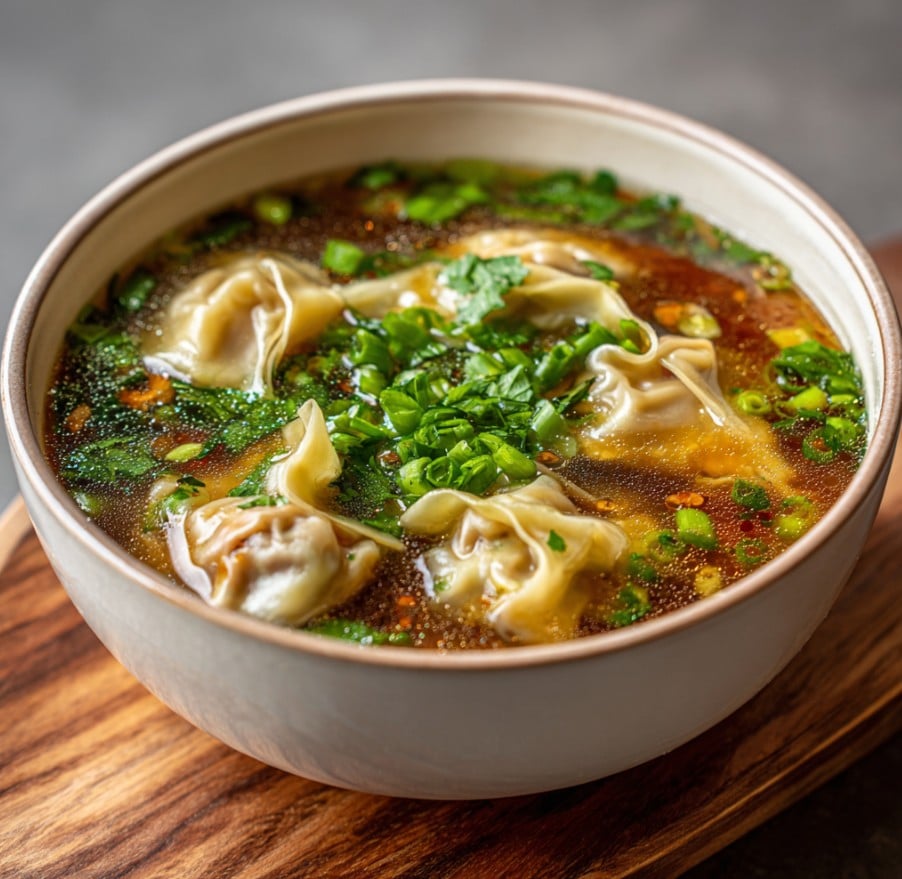
Wonton Soup is a well‑loved Chinese soup made with delicate wontons served in a clear, flavorful broth. Wontons are small dumplings wrapped in a thin wheat dough and filled with a mix of minced meat and seasonings. When cooked in the broth, they become tender and light, giving the soup a soothing feel that many people enjoy. The broth is usually made from chicken or pork stock and may include simple additions like scallions or leafy greens to add a bit of freshness.
What makes Wonton Soup appealing is its gentle balance of texture and taste. The soft wrapper and savory filling pair well with the warm broth, creating a meal that feels comforting without being heavy. It works well as a starter or a light main dish, especially on cool days or when someone wants something warm and satisfying. Wonton Soup remains popular because it brings simple, classic flavors together in an easy‑to‑enjoy bowl.
Wonton Soup
Ingredients
Method
- Make the filling: Mix 8 oz pork, 4 oz shrimp, 2 green onions, 1 tablespoon soy sauce, 1 teaspoon sesame oil, 1 teaspoon grated ginger, 1 teaspoon Shaoxing wine, and 1/4 teaspoon white pepper.
- Fill the wontons: Place about 1 teaspoon filling in each of 24 wonton wrappers.
- Seal: Wet the wrapper edges, fold, and press tightly.
- Make the broth: Simmer 6 cups chicken broth, 1 tablespoon soy sauce, 1 teaspoon sesame oil, and 1 teaspoon sliced ginger for 5 minutes.
- Cook the wontons: Add 24 wontons and simmer for 4 to 5 minutes.
- Add the bok choy: Stir in 2 chopped baby bok choy and cook for 2 minutes.
- Finish: Top with 2 sliced green onions.
- Serve: Ladle into bowls and serve hot.
#12 – Twice-Cooked Pork
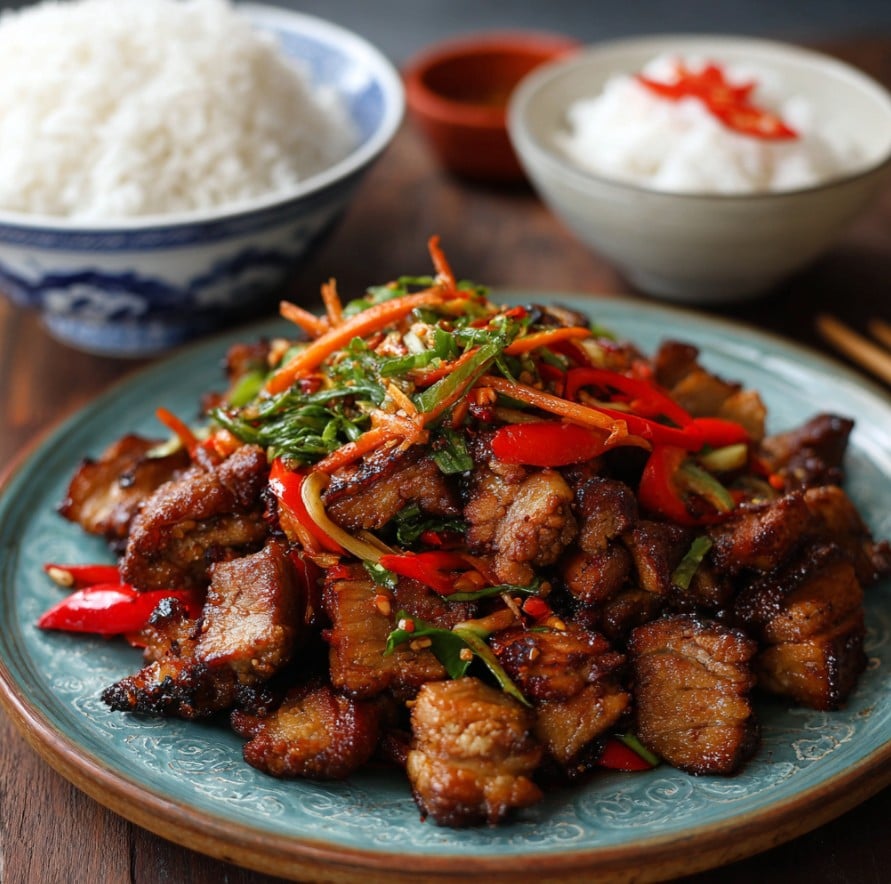
Twice‑Cooked Pork is a classic Chinese dish that comes from Sichuan cooking. The name refers to how the pork is cooked twice to build deep flavor and texture. First, the pork belly is simmered until tender. Then it is sliced and stir-fried with a mix of seasonings that often include fermented bean paste, garlic, and ginger. This gives the meat a savory taste with a bit of richness from the pork fat and a satisfying bite that many people enjoy.
What makes Twice‑Cooked Pork stand out is the way the two‑step method enhances the meat’s texture and flavor. The initial simmer makes the pork tender while the stir‑fry adds a bit of caramelization and depth. It is often paired with vegetables, which gives the dish a balanced feel between protein and fresh ingredients. For many, Twice‑Cooked Pork is a memorable example of how simple techniques and classic seasonings combine to create a hearty and flavorful dish.
Twice-Cooked Pork
Ingredients
Method
- Boil the pork: Simmer 1 1/2 lbs pork belly in 6 cups water with 3 ginger slices and 2 green onions for 25 minutes.
- Cool and slice: Remove the pork, cool slightly, and cut into thin slices.
- Crisp the pork: Heat 2 tablespoons vegetable oil. Stir-fry the pork for 4 to 5 minutes.
- Add the sauce: Stir in 2 tablespoons doubanjiang, 1 tablespoon black beans, 1 tablespoon soy sauce, 1 teaspoon sugar, and 1 teaspoon sesame oil.
- Add the vegetables: Add 1 red bell pepper, 1 green bell pepper, 4 green onions, and 2 minced garlic cloves.
- Stir-fry: Cook for 2 to 3 minutes, until the vegetables are crisp-tender.
- Serve: Serve hot.
#11 – Spring Rolls
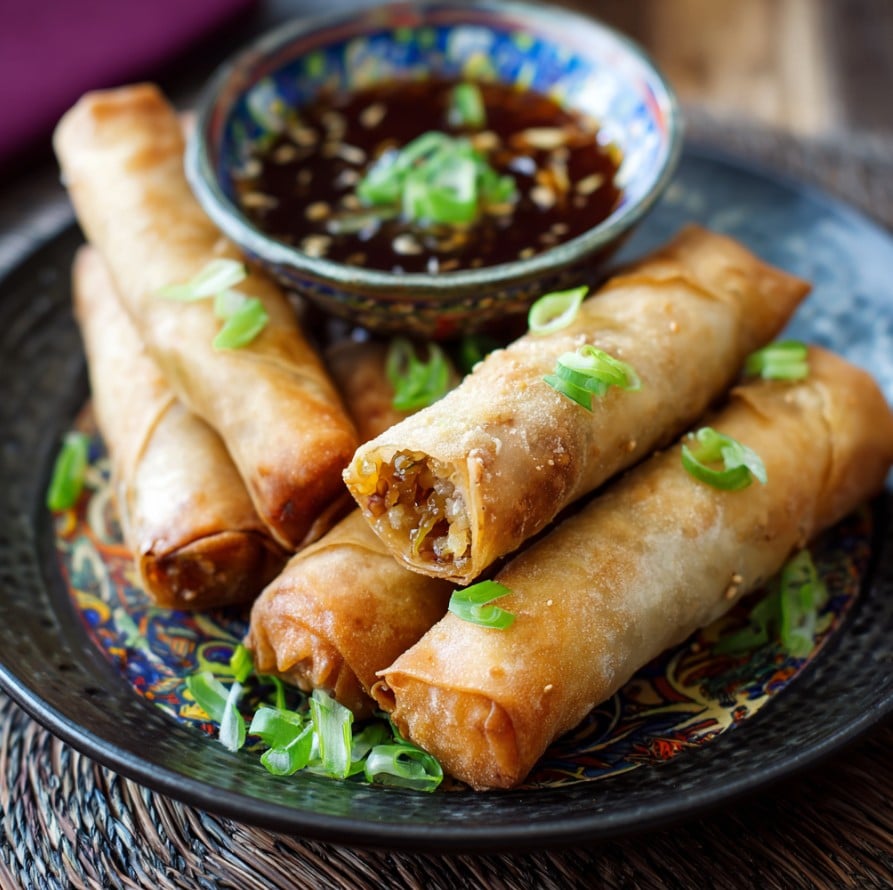
Spring Rolls are a popular Chinese appetizer made by wrapping a mix of vegetables, and sometimes meat, in a thin dough wrapper and frying it until the outside turns crisp and golden. The fillings can vary, but most include shredded cabbage, carrots, and seasonings that give the roll a balanced flavor that many people enjoy. The contrast between the crunchy wrapper and the soft filling makes spring rolls a familiar choice at meals, gatherings, and as a starter before a larger dish.
The wrapper becomes light and crisp when cooked well, while the filling stays moist and flavorful inside. They are often served with a dipping sauce that adds a bit of tang or sweetness, depending on preference. Spring rolls are common in many regions and remain a go-to option for those looking for a quick and tasty bite before or alongside other foods.
Spring Rolls
Ingredients
Method
- Cook the pork: Brown 8 oz ground pork in a skillet.
- Add the vegetables: Add 2 cups cabbage, 1 carrot, 1 cup bean sprouts, 4 oz mushrooms, 3 green onions, and 2 minced garlic cloves. Cook for 3 minutes.
- Season: Stir in 1 tablespoon soy sauce, 1 tablespoon oyster sauce, 1 teaspoon sesame oil, and 1/4 teaspoon white pepper. Cool.
- Make the paste: Mix 1 tablespoon cornstarch with 2 tablespoons water.
- Fill: Place about 2 tablespoons filling on each of 12 spring roll wrappers.
- Roll: Fold in the sides, roll tightly, and seal with the cornstarch paste.
- Fry: Heat 4 cups vegetable oil to 350°F. Fry for 3 to 4 minutes, until crisp and golden.
- Drain: Transfer to a paper towel-lined plate and serve hot.
#10 – General Tso’s Chicken
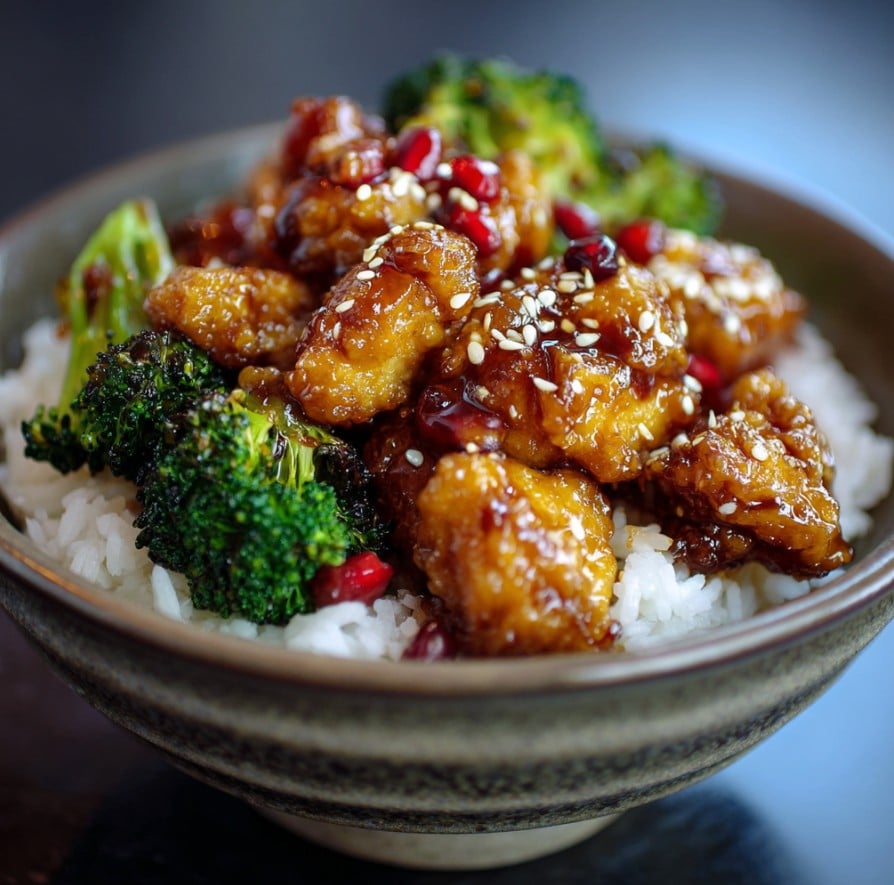
General Tso’s Chicken is a Chinese-American dish known for its crispy chicken pieces coated in a sweet and savory sauce. The chicken is usually battered and fried, then tossed in a sauce made with soy sauce, sugar, garlic, ginger, and dried chili peppers. This creates a bold flavor that balances sweetness with mild heat. The contrast between the crisp coating and sticky sauce is a big reason why many people enjoy this dish.
While the name comes from a historical Chinese figure, the dish itself was developed outside China by Chinese chefs adapting recipes to local tastes. It is not commonly eaten in everyday Chinese home cooking. Instead, it reflects how Chinese cooking styles have been adjusted over time to suit different preferences. General Tso’s Chicken remains popular because it offers strong flavor, a satisfying texture, and a familiar taste that appeals to a wide audience.
General Tso’s Chicken
Ingredients
Method
- Coat the chicken: Toss 1 1/2 lbs chicken with 1 large egg and 1/2 teaspoon salt, then coat with 1/2 cup cornstarch.
- Fry: Heat 3 cups vegetable oil to 350°F. Fry the chicken for 4 to 5 minutes, until crisp. Drain.
- Make the sauce: Mix 1/4 cup chicken broth, 3 tablespoons soy sauce, 3 tablespoons rice vinegar, 3 tablespoons sugar, 1 tablespoon hoisin sauce, and 1 teaspoon sesame oil.
- Cook the aromatics: Stir-fry 6 dried chiles, 3 minced garlic cloves, 1 tablespoon ginger, and 3 sliced green onions for 30 seconds.
- Add the sauce: Pour in the sauce and bring to a simmer.
- Thicken: Mix 1 tablespoon cornstarch with 2 tablespoons water. Stir into the sauce.
- Combine: Add the fried chicken and toss until evenly coated.
- Serve: Serve hot.
#9 – Xiao Long Bao (Soup Dumplings)
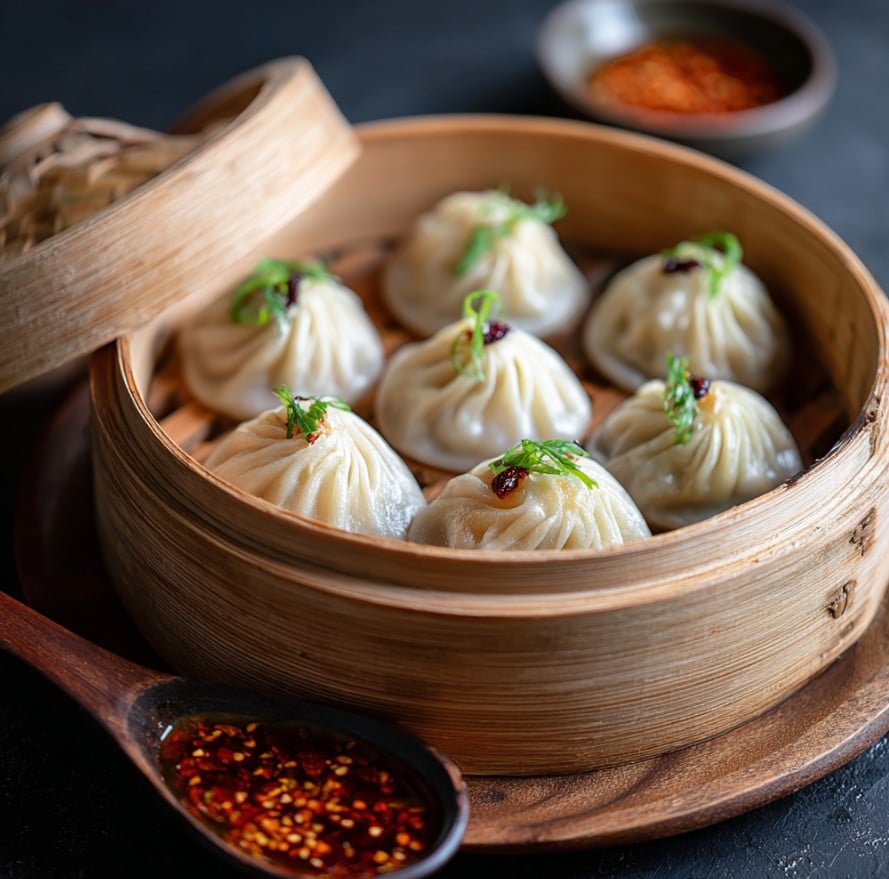
Xiao Long Bao (Soup Dumplings) are a famous type of Chinese dumpling that originated in the Jiangnan region, especially around Shanghai. They are made with a thin wheat wrapper filled with seasoned pork and a small amount of gelatin-rich broth. During steaming, the gelatin melts into liquid, creating soup inside the dumpling. This careful preparation gives Xiao Long Bao their signature juicy filling and soft, delicate texture. Each dumpling is typically pleated by hand, showing skill and attention to detail.
The appeal of Xiao Long Bao comes from the balance between the tender wrapper, savory filling, and warm soup inside. Eating them requires a bit of care to avoid spilling the broth, which adds to the experience. People enjoy them for their comforting taste and the craftsmanship involved in making each piece. Xiao Long Bao remains a popular choice for those who appreciate texture, flavor, and traditional Chinese culinary techniques.
Xiao Long Bao (Soup Dumplings)
Ingredients
Method
- Make the soup jelly: Mix 1 cup chicken broth with 1 tablespoon gelatin. Chill until firm, then finely chop.
- Make the dough: Mix 2 cups flour with 3/4 cup warm water. Knead until smooth and rest for 30 minutes.
- Make the filling: Mix 1 lb pork, 3 green onions, 1 tablespoon ginger, 2 tablespoons soy sauce, 1 tablespoon Shaoxing wine, 1 teaspoon sesame oil, 1 teaspoon sugar, 1/2 teaspoon salt, and 1/4 teaspoon white pepper.
- Add the jelly: Fold the chopped soup jelly into the pork filling.
- Roll: Divide the dough into small pieces and roll into 3-inch rounds.
- Fill: Add about 1 tablespoon filling to each wrapper.
- Pleat: Gather and pinch the edges tightly over the filling.
- Steam: Steam the dumplings over parchment for 8 to 10 minutes.
- Serve: Mix 1/4 cup Chinkiang vinegar with 2 tablespoons julienned ginger and serve with the dumplings.
#8 – Sweet and Sour Pork
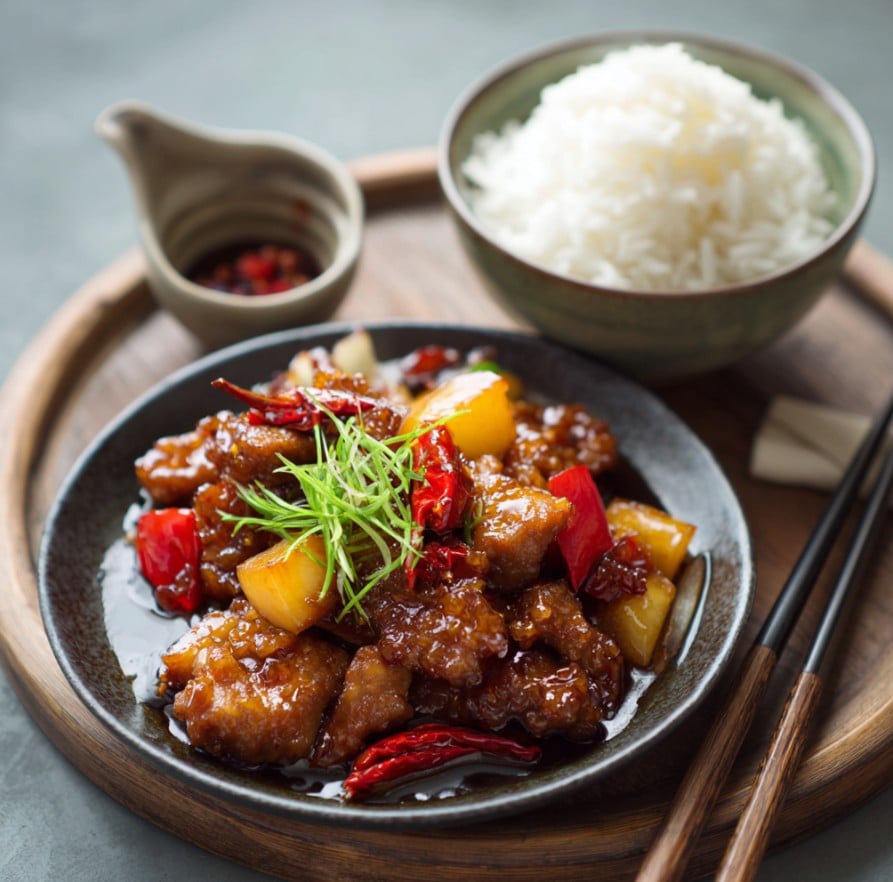
Sweet and Sour Pork is a popular Chinese dish known for its bright, tangy sauce and tender pieces of pork. The pork is usually cut into bite-sized chunks, lightly battered, and fried until crispy. It is then coated in a sauce made from ingredients like vinegar, sugar, ketchup, and soy sauce, giving it a balanced combination of sweet and tangy flavors. The contrast between the crispy pork and the glossy sauce makes the dish familiar and enjoyable for many people.
Part of the appeal of Sweet and Sour Pork comes from how versatile it is. It can be served with vegetables like bell peppers and pineapple, which add color and freshness, or kept simple with just the pork and sauce. The dish is appreciated for its harmony of textures and taste, offering a satisfying mix of savory and sweet. Sweet and Sour Pork continues to be a favorite for anyone looking for a flavorful and comforting dish in Chinese cuisine.
Sweet and Sour Pork
Ingredients
Method
- Season the pork: Toss 1 1/2 lbs pork with 1 teaspoon salt and 1/2 teaspoon white pepper.
- Coat: Mix the pork with 1 large egg, then coat with 1/2 cup cornstarch.
- Fry: Heat 3 cups vegetable oil to 350°F. Fry the pork for 4 to 5 minutes, until crisp. Drain.
- Make the sauce: Mix 1/2 cup pineapple juice, 1/3 cup rice vinegar, 1/3 cup ketchup, 1/4 cup sugar, and 1 tablespoon soy sauce.
- Cook the vegetables: Stir-fry 1 red bell pepper, 1 green bell pepper, and 1/2 onion for 2 minutes.
- Add the pineapple: Stir in 1 cup pineapple chunks and the sauce.
- Thicken: Mix 1 tablespoon cornstarch with 2 tablespoons water. Stir into the sauce.
- Combine: Add the fried pork and toss until coated.
- Serve: Serve hot.
#7 – Hot Pot
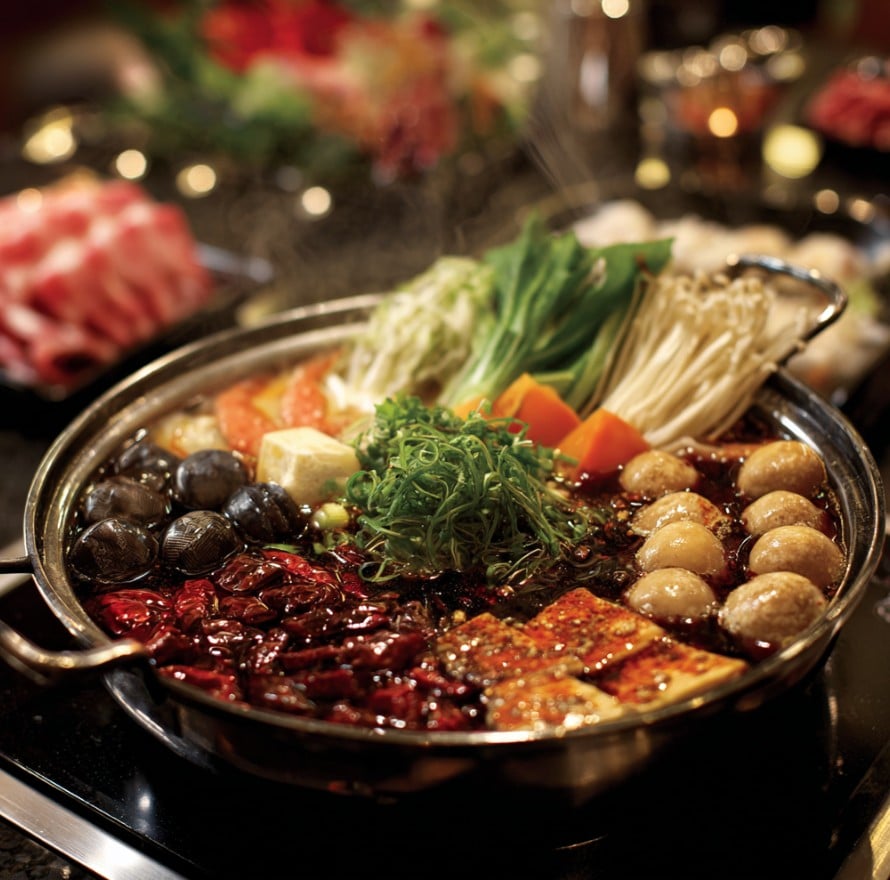
Hot Pot is a traditional Chinese meal where a simmering pot of flavorful broth is the centerpiece. Thinly sliced meats, seafood, vegetables, tofu, and noodles are added directly into the broth and cooked at the table. Each ingredient absorbs the rich flavors of the broth while keeping its own texture and taste, creating a satisfying combination in every bite. The experience allows diners to enjoy freshly cooked ingredients with a balance of savory, spicy, or mild flavors, depending on the broth used.
What makes Hot Pot appealing is its variety and warmth. The ingredients can be chosen to suit different tastes, and the broth’s flavor can be adjusted to complement them. Eating Hot Pot is both comforting and interactive, giving each bite a fresh, flavorful feel. Its balance of textures, aromas, and flavors makes it a memorable choice for those seeking a hearty and communal meal.
Hot Pot
Ingredients
Method
- Make the broth: Combine 8 cups chicken broth, 2 cups water, 3 tablespoons doubanjiang, 2 tablespoons soy sauce, and 1 tablespoon sesame oil.
- Add the aromatics: Add 1 tablespoon ginger, 4 garlic cloves, 4 green onions, 6 dried chiles, and 1 teaspoon Sichuan peppercorns.
- Simmer: Bring the broth to a simmer and cook for 15 minutes.
- Prep the ingredients: Arrange 1 lb beef, 1 lb shrimp, 14 oz tofu, 8 oz mushrooms, 8 oz cabbage, 8 oz bok choy, and 8 oz noodles around the pot.
- Make the dipping sauce: Mix 1/2 cup soy sauce, 2 tablespoons sesame oil, and 2 tablespoons Chinkiang vinegar.
- Cook: Add small portions of meat, seafood, vegetables, tofu, and noodles to the simmering broth until fully cooked.
- Serve: Remove cooked ingredients as ready and serve with the dipping sauce.
#6 – Yangzhou Fried Rice
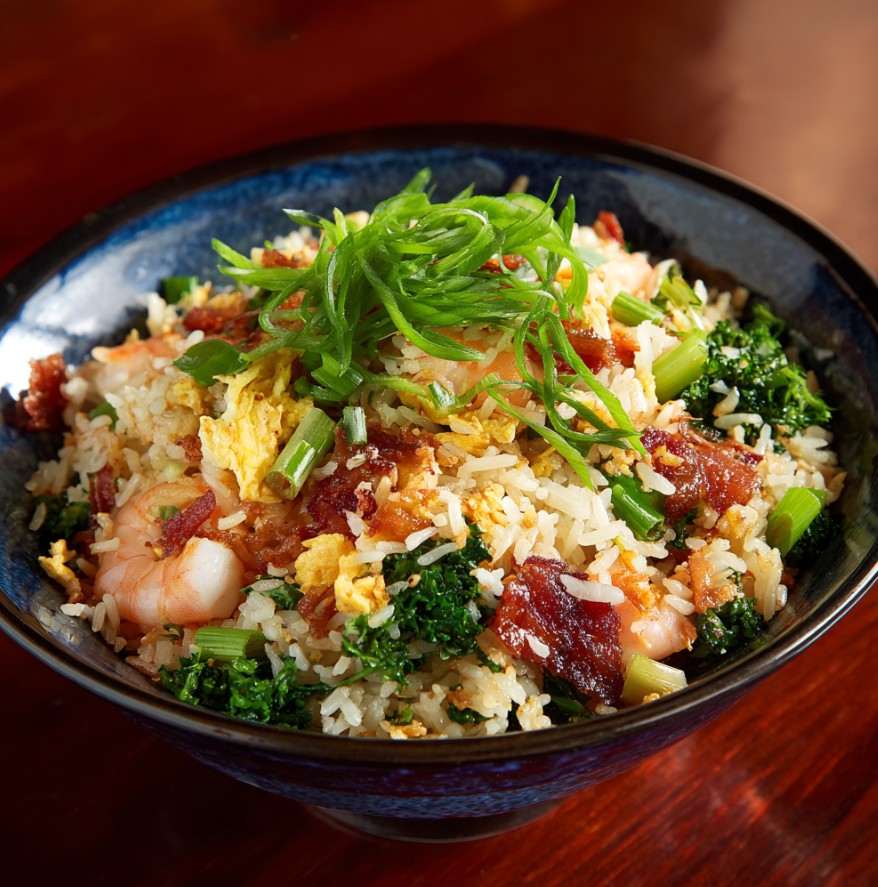
Yangzhou Fried Rice is a classic Chinese fried rice dish that comes from the city of Yangzhou in Jiangsu province. It is known for its mix of fluffy rice, small pieces of meat, and a variety of vegetables such as peas and carrots. The ingredients are stir‑fried together in a hot wok with soy sauce and a bit of oil, giving the rice a light savory taste that many people enjoy. A good version has grains that stay separate and slightly firm, with each bite offering a mix of texture and flavor.
This fried rice is appreciated for its balance and simplicity. The ingredients are cooked quickly over high heat so nothing becomes soggy, and the mild seasoning lets the natural taste of the rice and additions show through. It makes a complete dish on its own but also pairs well with other foods. Yangzhou Fried Rice remains a familiar and comforting choice, especially for those who want a hearty rice dish with subtle, well‑blended flavors.
Yangzhou Fried Rice
Ingredients
Method
- Cook the shrimp: Heat 1 tablespoon vegetable oil. Stir-fry 6 oz shrimp for 2 minutes, then remove.
- Cook the eggs: Add 1 tablespoon vegetable oil and 3 beaten eggs. Scramble lightly, then remove.
- Cook the vegetables: Add 1 tablespoon vegetable oil, 1/2 cup peas, and 1/2 cup carrots. Stir-fry for 2 minutes.
- Add the rice: Stir in 4 cups chilled rice and 6 oz char siu. Cook for 3 minutes.
- Season: Add 2 tablespoons soy sauce, 1 tablespoon Shaoxing wine, 1 teaspoon sesame oil, 1/2 teaspoon salt, and 1/4 teaspoon white pepper.
- Combine: Return the shrimp and eggs. Add 4 sliced green onions and toss for 1 minute.
- Serve: Serve hot.
#5 – Chow Mein
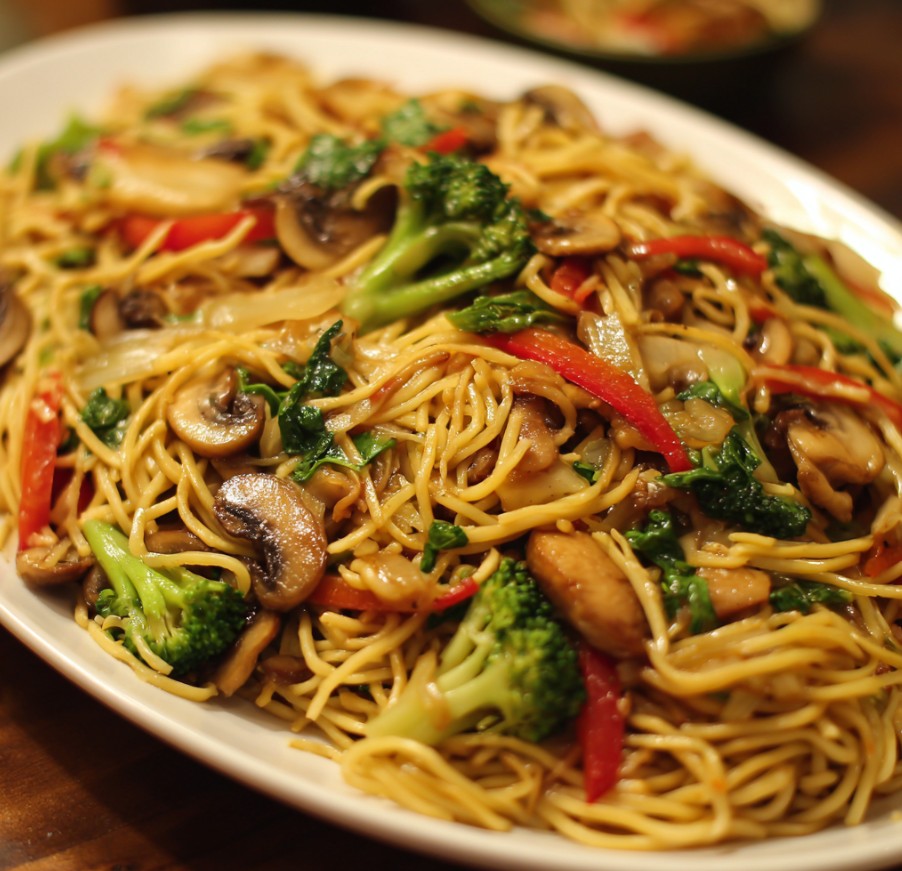
Chow Mein is a well‑known Chinese noodle dish made with stir‑fried noodles, vegetables, and often pieces of meat or seafood. The name means “fried noodles” in Cantonese, and the dish features noodles that are cooked until they are slightly crisp on the outside while staying tender inside. Vegetables like cabbage, carrots, and bean sprouts are added to give a mix of textures, and the whole plate is seasoned with soy sauce and other simple seasonings that make the flavors come together without overpowering the dish.
What makes Chow Mein appealing is how the noodles and ingredients blend into a complete, satisfying meal. The stir‑fry method keeps everything lively in texture, and the light seasoning lets each component stand out. It can be served on its own or with other dishes, making it a flexible choice for many eating occasions. Chow Mein remains a familiar pick for those who enjoy well‑seasoned, comforting noodles with a mix of vegetables and protein.
Chow Mein
Ingredients
Method
- Cook the noodles: Boil 12 oz chow mein noodles until just tender. Drain.
- Make the sauce: Mix 3 tablespoons soy sauce, 1 tablespoon oyster sauce, 1 tablespoon Shaoxing wine, 1 teaspoon sesame oil, 1 teaspoon sugar, and 1/4 teaspoon white pepper.
- Cook the chicken: Heat 1 tablespoon vegetable oil. Stir-fry 1 lb chicken for 4 minutes, then remove.
- Cook the vegetables: Heat 1 tablespoon vegetable oil. Add 2 cups cabbage, 1 carrot, 1 cup bean sprouts, 4 green onions, and 2 minced garlic cloves. Cook for 2 minutes.
- Add the noodles: Return the chicken and add the cooked noodles.
- Add the sauce: Pour in the sauce and toss for 2 minutes.
- Serve: Serve hot.
#4 – Mapo Tofu
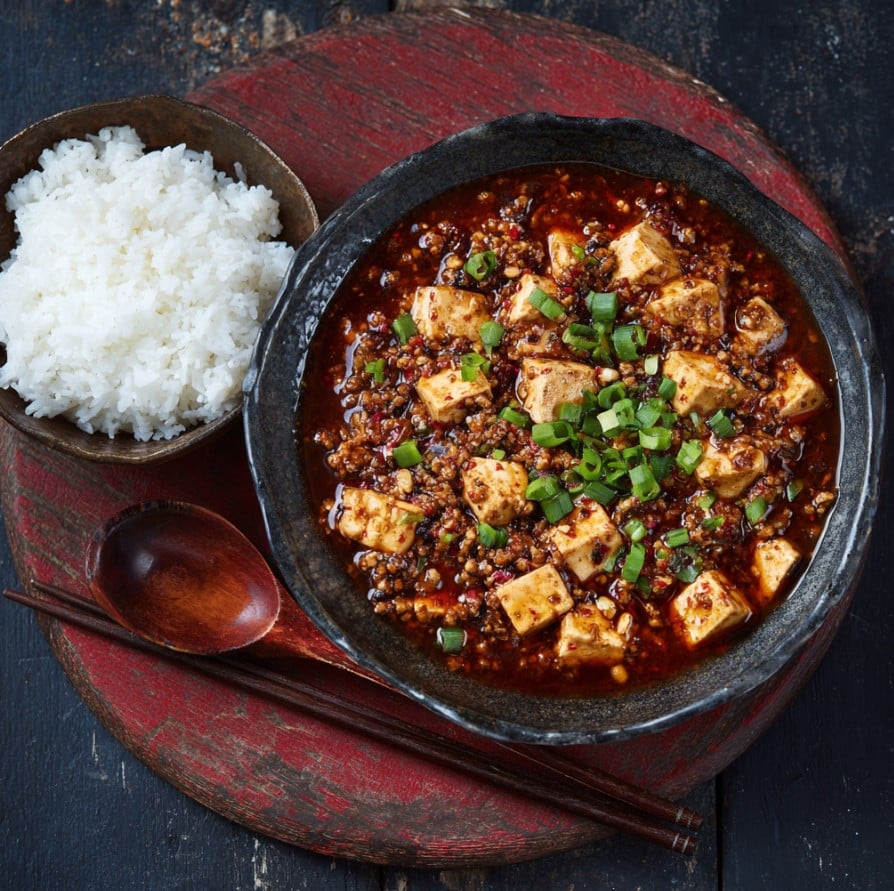
Mapo Tofu is a classic Chinese dish from the Sichuan region made with soft tofu and ground meat cooked in a flavorful sauce. The sauce usually features fermented bean paste, garlic, ginger, and a bit of chili, giving the dish a spicy and savory taste. The tofu stays tender and silky in the sauce, while the seasoned meat adds a heartier element. Many people enjoy the contrast between the smooth tofu and the bold, punchy sauce that brings each bite to life.
Mapo Tofu is especially appreciated for its balance of flavors and textures. The spiciness blends with the savory sauce, enhancing the soft tofu and savory meat without overwhelming them. When served with rice or alongside other foods, Mapo Tofu adds warmth and depth to a meal. It remains a popular choice for those who enjoy bold and well‑seasoned Chinese dishes.
Mapo Tofu
Ingredients
Method
- Cook the pork: Heat 2 tablespoons vegetable oil. Brown 6 oz ground pork.
- Add the aromatics: Stir in 2 tablespoons doubanjiang, 1 tablespoon black beans, 3 minced garlic cloves, and 1 tablespoon ginger. Cook for 1 minute.
- Add the broth: Pour in 1 cup chicken broth, 1 tablespoon soy sauce, and 1 teaspoon sugar.
- Add the tofu: Gently stir in 1 lb tofu. Simmer for 5 minutes.
- Thicken: Mix 2 teaspoons cornstarch with 2 tablespoons water. Stir into the sauce and cook for 1 minute.
- Season: Add 1 teaspoon Sichuan peppercorns and 1 teaspoon sesame oil.
- Finish: Top with 3 sliced green onions and serve hot.
#3 – Dumplings
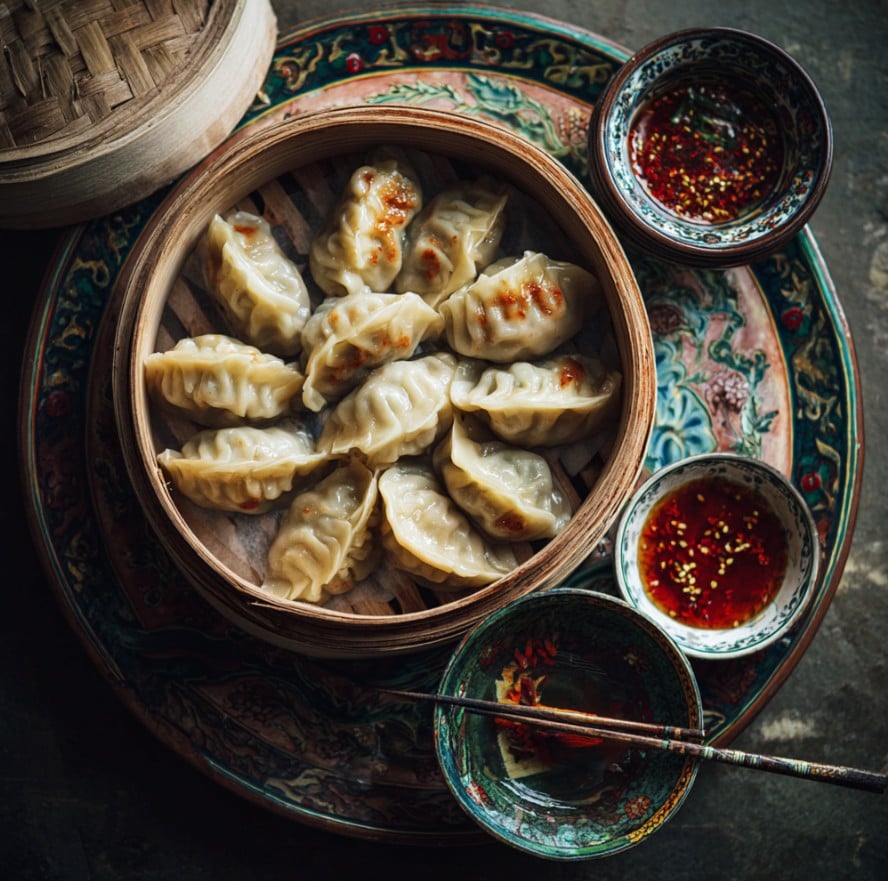
Dumplings (Jiaozi) are a classic Chinese dish made from small parcels of dough filled with seasoned meat, vegetables, or a combination of both. The dough is soft and slightly chewy, while the filling is flavorful and well-balanced. Dumplings can be steamed, boiled, or pan-fried, each method giving a slightly different texture, from tender and juicy to lightly crisp on the outside. They are often served with a dipping sauce, such as soy sauce or vinegar, which enhances the taste and adds an extra layer of flavor.
Each bite delivers a mix of textures and tastes that feel satisfying without being heavy. Known as jiaozi in China, they are versatile, comforting, and enjoyed in many settings, whether at home, in casual meals, or during special celebrations. Dumplings remain a well-loved choice for those seeking a familiar and flavorful Chinese dish.
Dumplings
Ingredients
Method
- Prep the filling: Mix 1 lb pork, 2 cups cabbage, 3 green onions, 1 tablespoon ginger, and 2 minced garlic cloves.
- Season: Add 2 tablespoons soy sauce, 1 tablespoon sesame oil, 1 tablespoon Shaoxing wine, 1 teaspoon sugar, and 1/2 teaspoon white pepper.
- Fill: Place about 1 tablespoon filling in each of 30 dumpling wrappers.
- Seal: Wet the wrapper edges, fold in half, and pinch tightly.
- Brown: Heat 2 tablespoons vegetable oil. Cook the dumplings for 2 minutes.
- Steam: Add 1/2 cup water and cover. Cook for 6 to 8 minutes.
- Crisp: Uncover and cook for 1 to 2 minutes.
- Serve: Mix 1/4 cup soy sauce with 2 tablespoons Chinkiang vinegar and serve with the dumplings.
#2 – Kung Pao Chicken
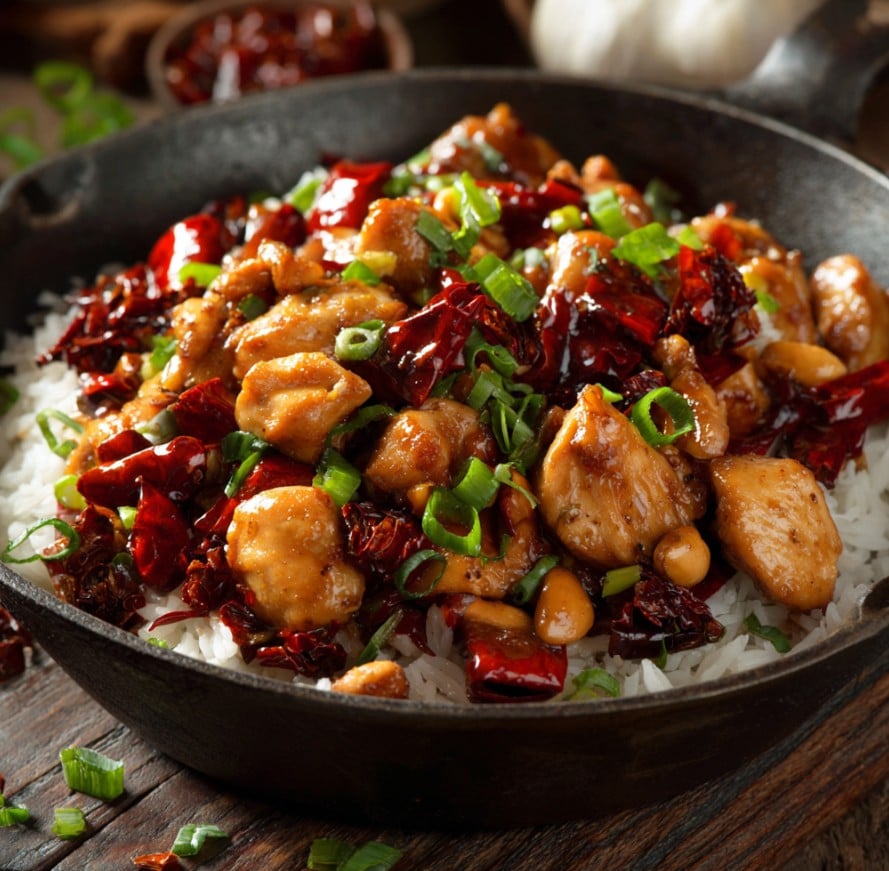
Kung Pao Chicken is a well‑known Chinese dish that comes from the Sichuan region. It is made with bite‑sized pieces of chicken stir-fried with peanuts, vegetables like bell peppers or green onions, and a savory sauce. The sauce usually includes soy sauce, vinegar, a hint of sugar, and chili peppers for heat. The mix of tender chicken, crunchy peanuts, and flavorful sauce gives the dish a satisfying texture and taste that many people enjoy.
What makes Kung Pao Chicken popular is the way its flavors balance heat, salt, and a mild tang. The peanuts add a bit of crunch and nutty taste that pairs well with the tender chicken and bold sauce. This dish is often finished with a touch of aromatic seasonings that keep the flavor lively without being heavy. Kung Pao Chicken remains a favorite for those who enjoy a dish with a pleasant mix of spice, texture, and savory taste.
Kung Pao Chicken
Ingredients
Method
- Marinate the chicken: Mix 1 1/2 lbs chicken with 1 tablespoon soy sauce, 1 tablespoon Shaoxing wine, and 2 teaspoons cornstarch. Rest for 15 minutes.
- Make the sauce: Mix 2 tablespoons soy sauce, 1 tablespoon vinegar, 1 tablespoon Shaoxing wine, 1 tablespoon sugar, 1 teaspoon cornstarch, and 2 tablespoons water.
- Cook the chicken: Heat 2 tablespoons vegetable oil. Stir-fry the chicken for 4 to 5 minutes, then remove.
- Fry the spices: Add 1 tablespoon vegetable oil, 8 dried chiles, and 1 teaspoon Sichuan peppercorns. Cook for 30 seconds.
- Add the aromatics: Stir in 3 minced garlic cloves, 1 tablespoon ginger, and 4 green onions.
- Combine: Return the chicken and pour in the sauce. Toss for 1 to 2 minutes.
- Add the peanuts: Stir in 1/2 cup roasted peanuts.
- Serve: Serve hot.
#1 – Peking Duck
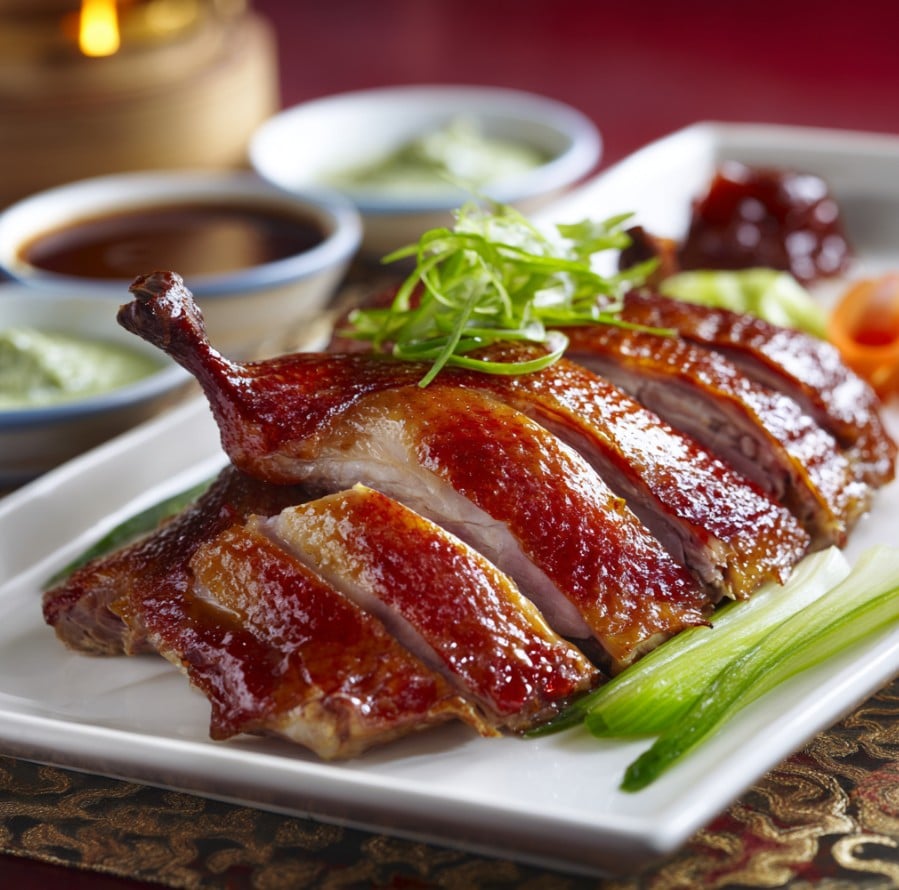
Peking Duck is a famous Chinese dish known for its crisp skin and rich, savory flavor. It starts with a whole duck that is prepared with a special process to help the skin become thin and crispy while the meat stays juicy. The duck is roasted until the skin turns a deep, golden brown. When served, the skin and meat are often sliced thinly so each bite delivers a mix of crunchy texture and tender meat.
The careful roasting and preparation give the duck a deep, roasted taste without feeling greasy. It is traditionally presented with simple accompaniments that let the flavor of the duck shine. Peking Duck has become a well‑known symbol of Chinese culinary skill and remains a top choice for special meals and celebrations.
Peking Duck
Ingredients
Method
- Prep the duck: Pat 1 whole duck dry and rub with 2 tablespoons kosher salt.
- Scald the skin: Slowly pour 2 cups boiling water over the duck. Pat dry.
- Glaze: Mix 1/4 cup honey, 2 tablespoons maltose, 2 tablespoons rice vinegar, and 1 tablespoon soy sauce. Brush over the duck.
- Dry: Refrigerate the duck uncovered for 12 to 24 hours.
- Roast: Place the duck on a rack and roast at 350°F for 1 hour.
- Crisp: Increase the oven to 425°F and roast for 20 to 30 minutes, until deeply browned and crisp.
- Rest: Let the duck rest for 15 minutes, then carve into thin slices.
- Warm the pancakes: Steam or microwave 20 Mandarin pancakes until soft.
- Serve: Fill the pancakes with duck, 1/2 cup hoisin sauce, 1 sliced cucumber, and 6 sliced green onions.


General T’so chicken not on the list? I find this difficult to believe…
It’s recipe #10!
It’s #10
Where are the recipes?
Appreciate your question, Ginger! Recipes will be included in an upcoming update.
Years in China….. Chi Fan💥
Appreciate it, Viktor!
Where are the recipes
Good question, Danny! Recipes will be up soon.
Where are the recipes!!! This really angers me. You get us interested and then there are no recipes!!! I don’t want to download a lot of stuff just to get to one. The recipes should be right there!! I’m going to delete this site!!
Thanks for your feedback, Lynda. I understand your frustration, and I’m working on adding the recipes directly to the page soon.
I agree… I want #’s 3 & 23
Back in April you said there will be updates for the recipes, and I still don’t see a recipe Brian!!!! Where are the recipes for these items???
Judy, you caught us! 😅 Those recipes are definitely overdue. We appreciate the reminder.
These all look great, but where are the recipes?
Gary, thanks! We’ll work on adding the recipes.
Why show this without recipes?
Suz, fair question! We’ll work on adding recipes to the post.
I kept looking for the recipe and I couldn’t fine them.
no recipe?
they are there on each item