

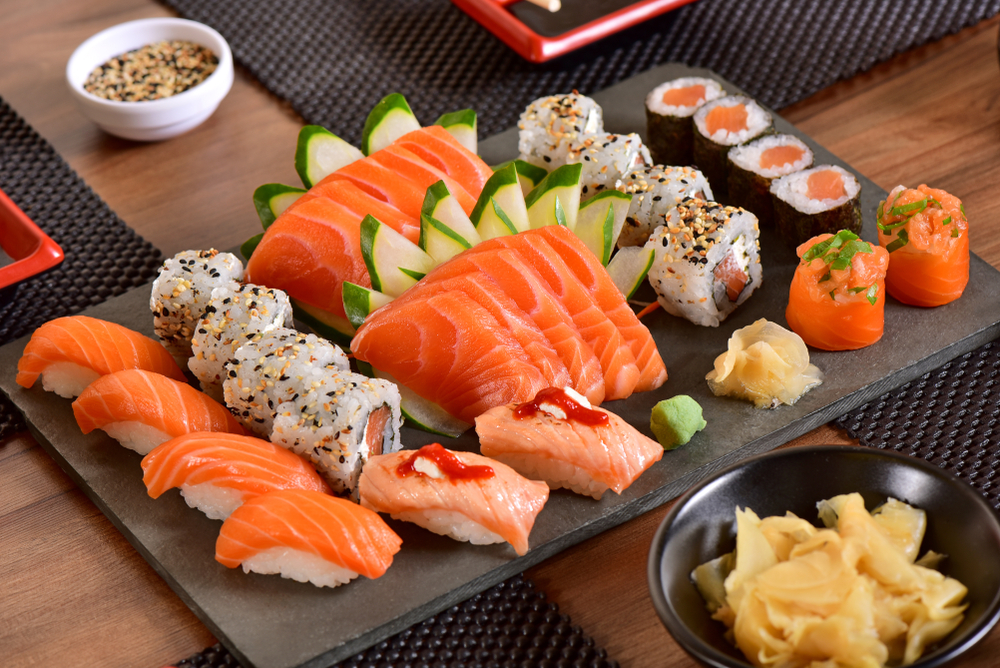
Japanese cuisine has captured the attention of food enthusiasts across the globe. Its unique combination of flavors, textures, and fresh ingredients offers a dining experience that is both satisfying and memorable. From casual meals to more formal settings, Japanese food provides options for every taste and occasion. People are drawn to its balance of simplicity and depth, where each element plays a specific role in creating harmony on the plate.
Many enjoy learning about different Japanese dishes, understanding the cultural background behind them, and appreciating the care that goes into their preparation. Whether you are new to Japanese food or have been enjoying it for years, there is always something to appreciate and enjoy. Its appeal goes beyond taste alone, reflecting a culture that values presentation, quality, and thoughtful combinations. This article introduces some of the most popular Japanese foods and highlights what makes them special.
#25 – Dango
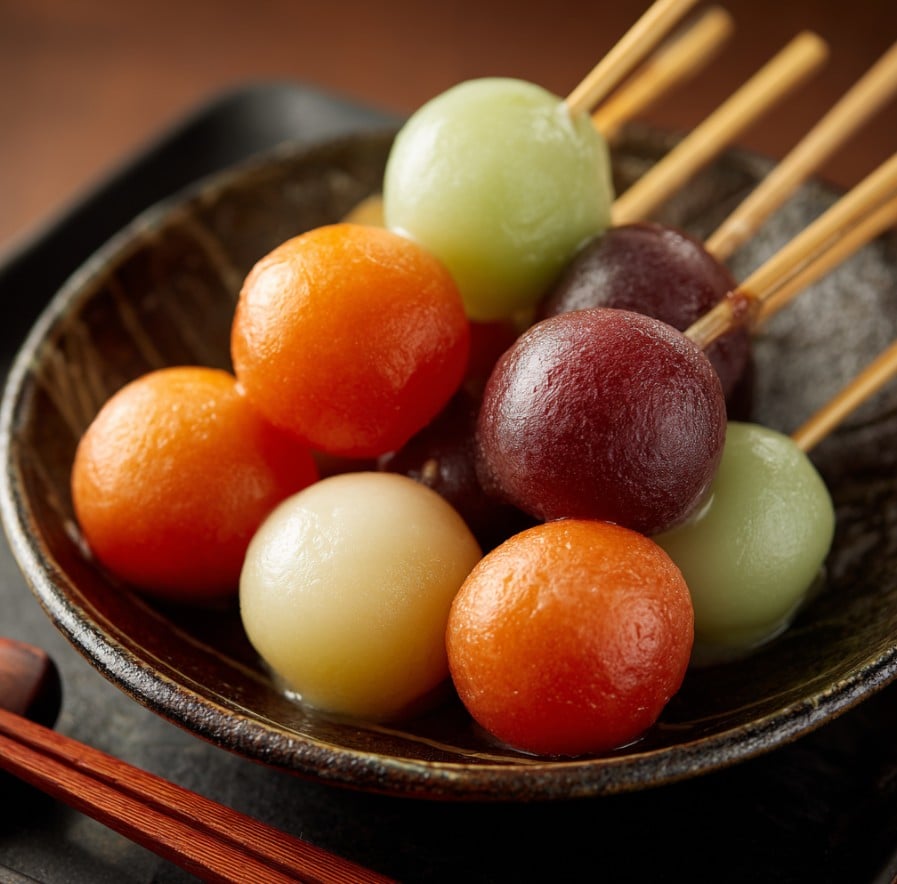
Dango is a traditional Japanese rice dumpling made from rice flour, shaped into small, chewy balls and often served on skewers. The texture is soft and slightly springy, giving each bite a satisfying chew. Dango can be enjoyed plain or with various sauces, such as a lightly sweet soy glaze or red bean paste, creating a subtle flavor that balances nicely with the soft rice texture.
What makes Dango stand out is its simplicity and versatility. The skewers make it easy to share, and different toppings or glazes can create a variety of taste experiences. Its chewy texture and neat presentation have helped Dango remain a popular part of Japanese cuisine across generations.
Dango
Ingredients
Method
- Make the dough: Mix 1 cup glutinous rice flour, 1/2 cup rice flour, 2 tablespoons sugar, and 3/4 cup warm water.
- Shape: Roll the dough into about 18 small balls.
- Boil: Cook the dango in boiling water for 3 to 4 minutes, until they float.
- Cool: Transfer the dango to cold water, then drain.
- Skewer: Thread 3 dango onto each of 6 bamboo skewers.
- Make the sauce: Simmer 1/4 cup soy sauce, 1/4 cup sugar, and 2 tablespoons mirin. Stir in 1 tablespoon cornstarch mixed with 2 tablespoons water.
- Glaze: Brush the thickened sauce over the dango.
- Serve: Serve warm or at room temperature.
#24 – Yakisoba
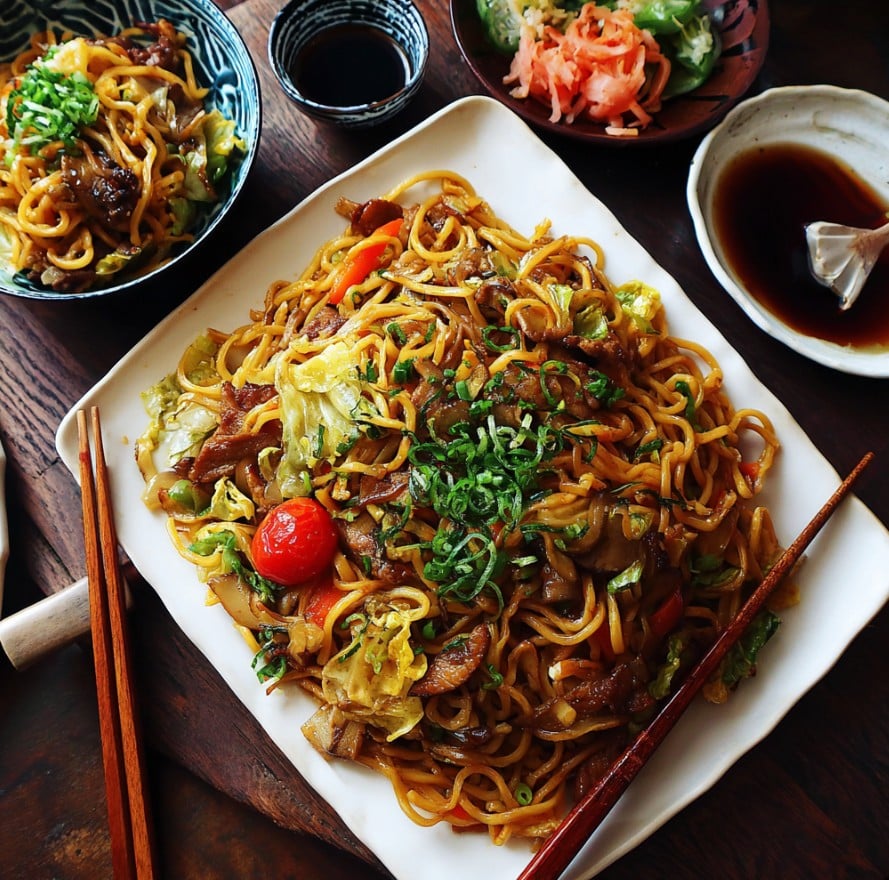
Yakisoba is a well known Japanese noodle dish that is often enjoyed as a quick and satisfying meal. The dish features stir fried noodles cooked with sliced meat and vegetables, all coated in a savory sauce that gives it a rich and slightly sweet flavor. The noodles have a tender texture with a light char from the pan, which adds depth to every bite.
Vendors often prepare it on large flat grills, tossing the noodles and ingredients together while customers watch. The dish is usually served hot with simple toppings that add a bit of crunch and freshness. Its warm appearance, satisfying taste, and quick preparation have made Yakisoba a dependable favorite for both everyday meals and festival snacks across the country.
Yakisoba
Ingredients
Method
- Make the sauce: Mix 1/4 cup yakisoba sauce, 1 tablespoon soy sauce, and 1 teaspoon sesame oil.
- Cook the pork: Heat 1 tablespoon vegetable oil in a skillet. Cook 8 oz pork belly for 3 to 4 minutes.
- Add the vegetables: Add 2 cups cabbage, 1 carrot, and 1/2 onion. Stir-fry for 3 minutes.
- Add the noodles: Add 16 oz yakisoba noodles and toss for 2 minutes.
- Sauce: Pour in the sauce and toss for 2 to 3 minutes.
- Finish: Stir in 2 sliced green onions.
- Serve: Top with 2 tablespoons pickled ginger and 1 tablespoon aonori. Serve hot.
#23 – Oden
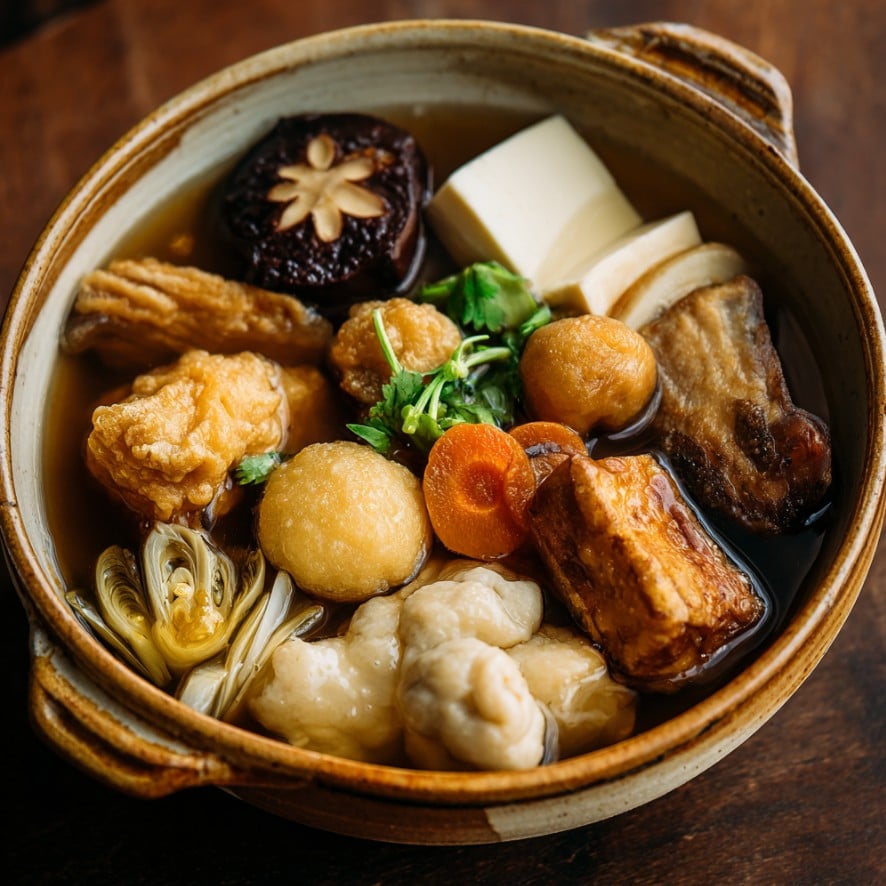
Oden is a traditional Japanese one-pot dish that brings together a variety of ingredients simmered in a light, savory broth. Common items include fish cakes, tofu, and vegetables, each absorbing the gentle flavors of the broth while keeping their individual textures. The dish is often enjoyed during cooler months, offering a warm and comforting meal that is both simple and satisfying. Its appearance, with neatly arranged ingredients in a clear pot, makes it inviting and easy to serve in homes, street stalls, or casual restaurants.
What makes Oden special is its versatility and the way each ingredient contributes to the overall harmony of the dish. Diners can choose from a variety of items to suit their taste, creating a personalized bowl every time. Its mild flavor, warming nature, and accessibility have made Oden a beloved staple of Japanese cuisine, celebrated for both everyday meals and seasonal gatherings.
Oden
Ingredients
Method
- Make the broth: Combine 6 cups dashi, 1/4 cup soy sauce, 1/4 cup mirin, 2 tablespoons sake, and 1 tablespoon sugar.
- Cook the daikon: Add 1 lb daikon and simmer for 20 minutes.
- Add the eggs: Add 4 hard-boiled eggs and 8 oz konnyaku.
- Add the fish cakes: Stir in 8 oz fried fish cakes and 6 oz chikuwa.
- Add the tofu: Add 8 oz tofu and simmer gently for 30 minutes.
- Rest: Remove from heat and let the oden sit for 20 minutes to absorb the broth.
- Serve: Reheat gently and serve hot with 1 tablespoon Japanese mustard.
#22 – Imagawayaki
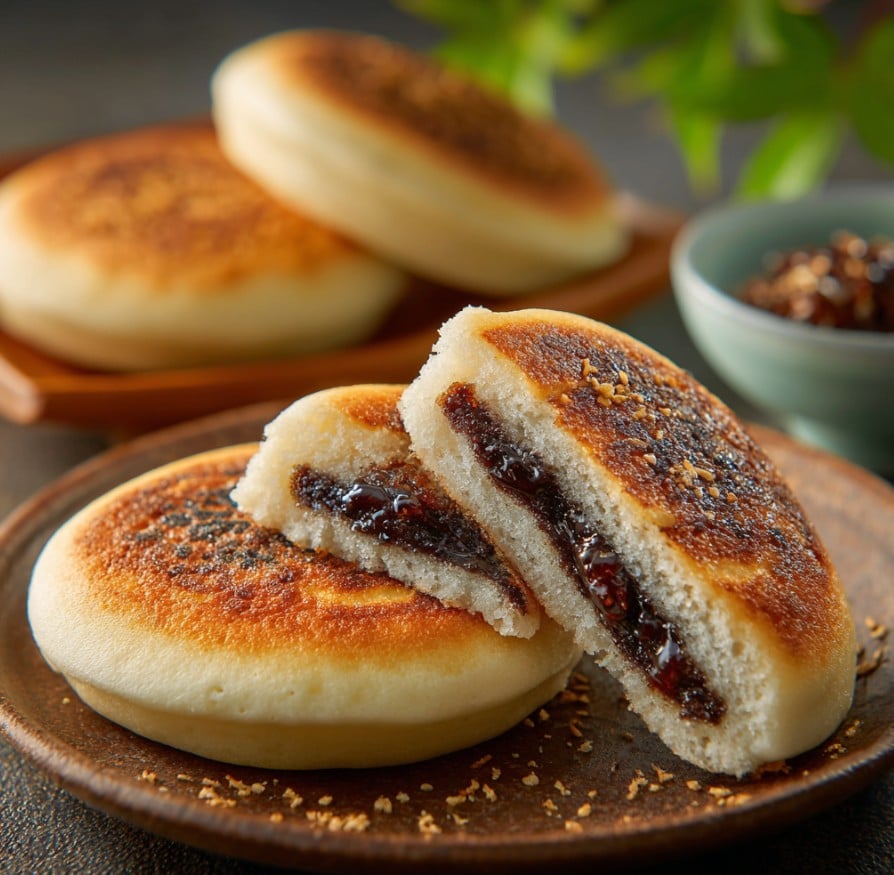
Imagawayaki is a classic Japanese sweet treat often enjoyed as a street snack or dessert. It consists of a round, cake-like pastry with a filling inside, creating a warm contrast between the soft exterior and the rich center. The outside has a lightly crisp surface with a tender bite, making it pleasant to eat whether you are walking through a market or taking a break at a café. Many people are drawn to its comforting feel and satisfying combination of textures.
Traditionally, the filling is made from sweetened red bean paste, but modern variations can include custard, chocolate, or other flavors that appeal to a wide range of tastes. Its simple shape and familiar taste have helped Imagawayaki remain a favorite at festivals, food stalls, and specialty shops throughout Japan. This snack offers a glimpse into Japanese dessert culture in a way that is both accessible and enjoyable for visitors and locals alike.
Imagawayaki
Ingredients
Method
- Mix the dry ingredients: Combine 1 1/2 cups flour, 2 teaspoons baking powder, and 1/4 cup sugar.
- Make the batter: Whisk 2 eggs, 1 cup milk, and 1 teaspoon vanilla. Stir into the flour mixture.
- Heat the pan: Heat an imagawayaki pan over medium-low and grease with 1 tablespoon vegetable oil.
- Fill: Spoon batter into the molds. Add about 2 tablespoons of the 1 cup red bean paste to each.
- Top: Cover the filling with more batter.
- Cook: Cook for 2 to 3 minutes, then flip and cook for another 2 to 3 minutes, until golden.
- Serve: Cool slightly and serve warm.
#21 – Gyudon
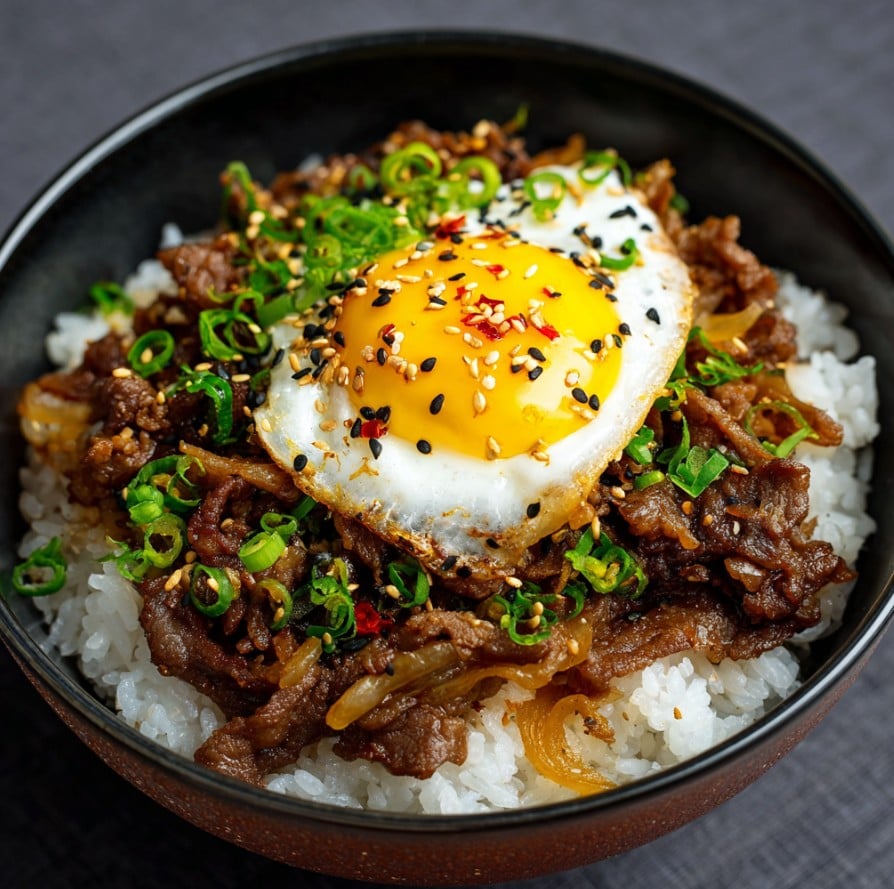
Gyudon is a well-loved Japanese beef bowl that combines tender slices of beef with steamed rice in a way that feels both comforting and satisfying. Its savory sauce carries a subtle sweetness, creating a balance that appeals to a wide range of diners. The dish is easy to enjoy at any time of day, making it a popular choice for a quick lunch, dinner, or even a late-night meal.
Beyond its flavor, Gyudon stands out for its simple but appealing presentation. The beef and onions are neatly arranged over the rice, giving it an inviting look that draws people in even before the first bite. Its consistency and accessibility have helped it become a staple in casual restaurants and fast-food chains throughout Japan. The combination of approachable taste, visual appeal, and convenience has cemented Gyudon as a signature example of Japanese comfort food.
Gyudon
Ingredients
Method
- Make the broth: Combine 1 cup dashi, 1/4 cup soy sauce, 1/4 cup mirin, 2 tablespoons sake, and 2 tablespoons sugar.
- Cook the onion: Add 1 sliced onion to the broth and simmer for 5 minutes.
- Add the beef: Add 1 lb sliced beef and simmer for 3 to 5 minutes, until cooked.
- Fill the bowls: Divide 4 cups cooked rice among 4 bowls.
- Add the beef: Spoon the beef, onions, and broth over the rice.
- Finish: Top with 2 sliced green onions and 1 tablespoon pickled ginger. Serve hot.
#20 – Kaisendon
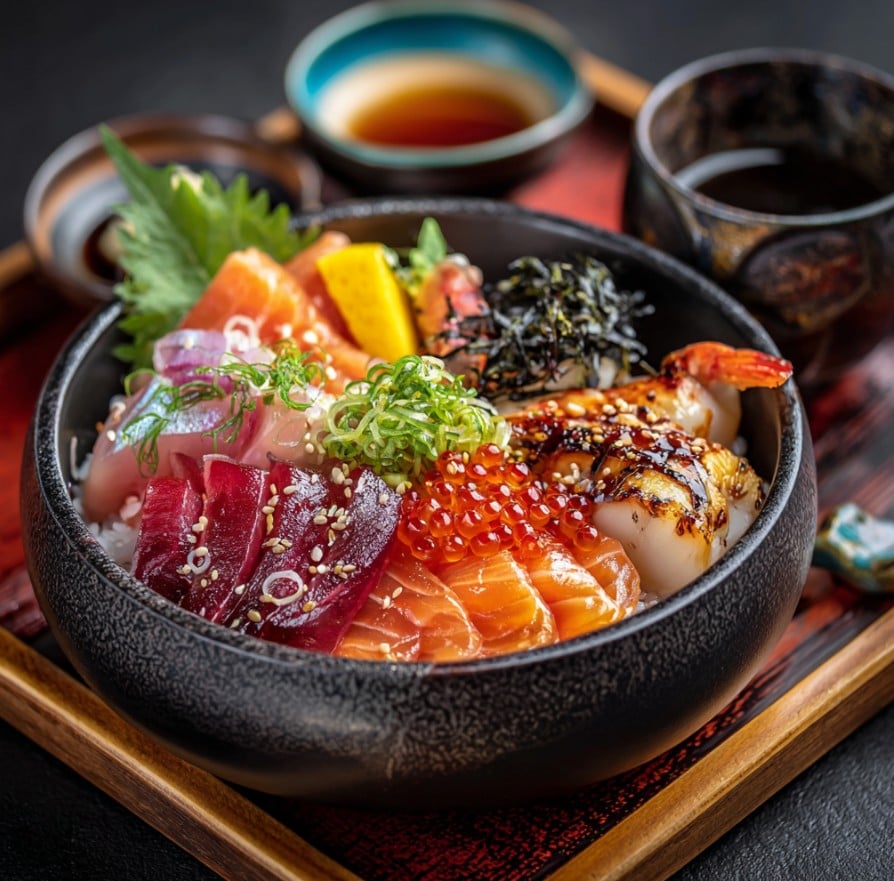
Kaisendon is a popular Japanese seafood rice bowl that showcases fresh slices of seafood served over a bed of warm rice. The seafood is often arranged with care, creating a colorful and appealing presentation that catches the eye. The natural flavors of the fish are highlighted, giving the dish a light yet satisfying taste. Kaisendon is commonly enjoyed in coastal towns and markets where fresh seafood is readily available, making it a dish that feels connected to its origin.
This dish stands out because of the contrast between the tender rice and the smooth, fresh seafood on top. The combination of texture, taste, and visual appeal makes it a favorite among locals and visitors alike. Kaisendon offers a meal that is both refreshing and filling, providing an authentic glimpse into Japanese seafood cuisine while remaining approachable for anyone looking to experience fresh ocean flavors in a bowl.
Kaisendon
Ingredients
Method
- Prep the seafood: Slice 4 oz salmon, 4 oz tuna, and 4 oz yellowtail. Keep chilled.
- Fill the bowls: Divide 4 cups cooked rice among 4 bowls.
- Add the fish: Arrange the salmon, tuna, yellowtail, and 4 oz shrimp over the rice.
- Add the roe: Divide 1/2 cup salmon roe among the bowls.
- Garnish: Top with 2 green onions and 1 sheet sliced nori.
- Serve: Serve immediately with 1/4 cup soy sauce, 1 teaspoon wasabi, and 2 tablespoons pickled ginger.
#19 – Mochi
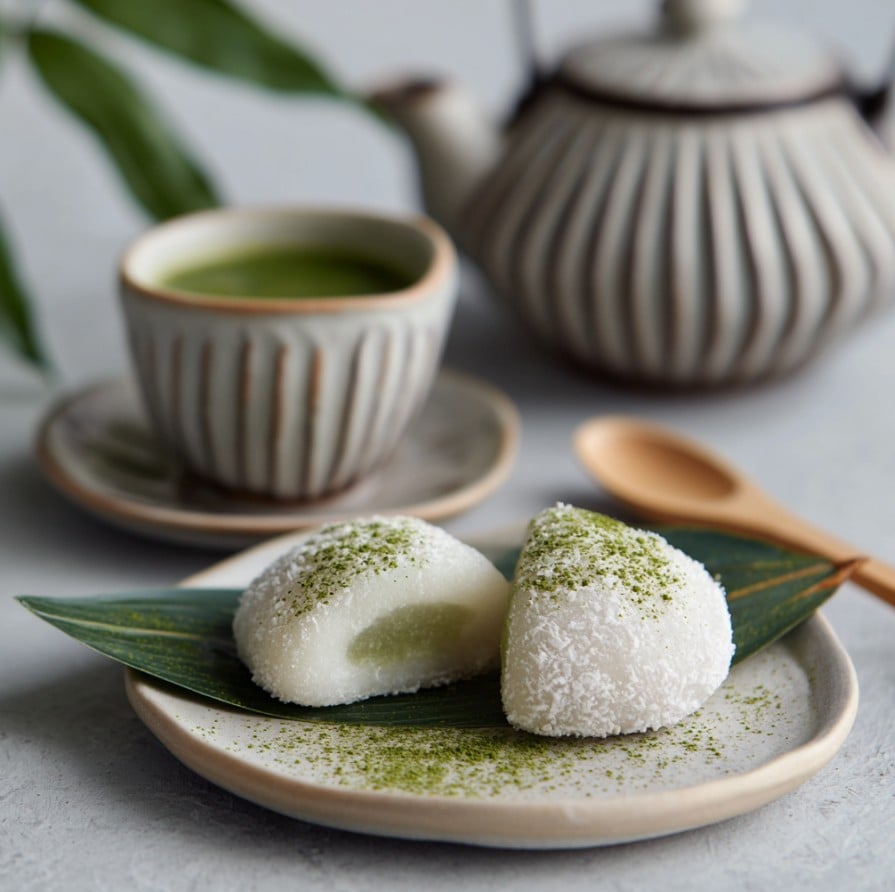
Mochi is a traditional Japanese treat made from pounded rice that has a chewy, soft texture unlike many other sweets. Its simplicity and distinctive mouthfeel have made it a beloved part of Japanese culture for centuries. Mochi is often enjoyed during special occasions and festivals, where its round shape and smooth surface symbolize good fortune and togetherness. Whether enjoyed plain or with a light coating of sugar or other toppings, it offers a gentle, slightly sticky bite that many people appreciate.
This treat stands out because of its unique texture and cultural significance. It can be filled with sweet fillings such as red bean paste, giving it a pleasant contrast between the chewy outside and a flavorful center. Mochi appears in a variety of settings, from traditional tea ceremonies to casual snacks sold at shops and markets. Its enduring presence in Japanese food culture shows how a simple rice‑based item can remain cherished across generations.
Mochi
Ingredients
Method
- Make the batter: Mix 1 cup glutinous rice flour, 1/4 cup sugar, and 3/4 cup water until smooth.
- Steam: Pour the batter into a heatproof dish. Steam, covered, for 15 minutes, until thick and sticky.
- Dust: Spread 1/2 cup cornstarch over a work surface. Transfer the hot mochi dough onto it.
- Divide: Cool slightly, then divide the dough into 8 pieces.
- Fill: Flatten each piece and add about 1 1/2 tablespoons of the 3/4 cup red bean paste.
- Shape: Pinch the dough closed around the filling and roll gently into a ball.
- Serve: Dust off excess cornstarch and serve at room temperature.
#18 – Sukiyaki
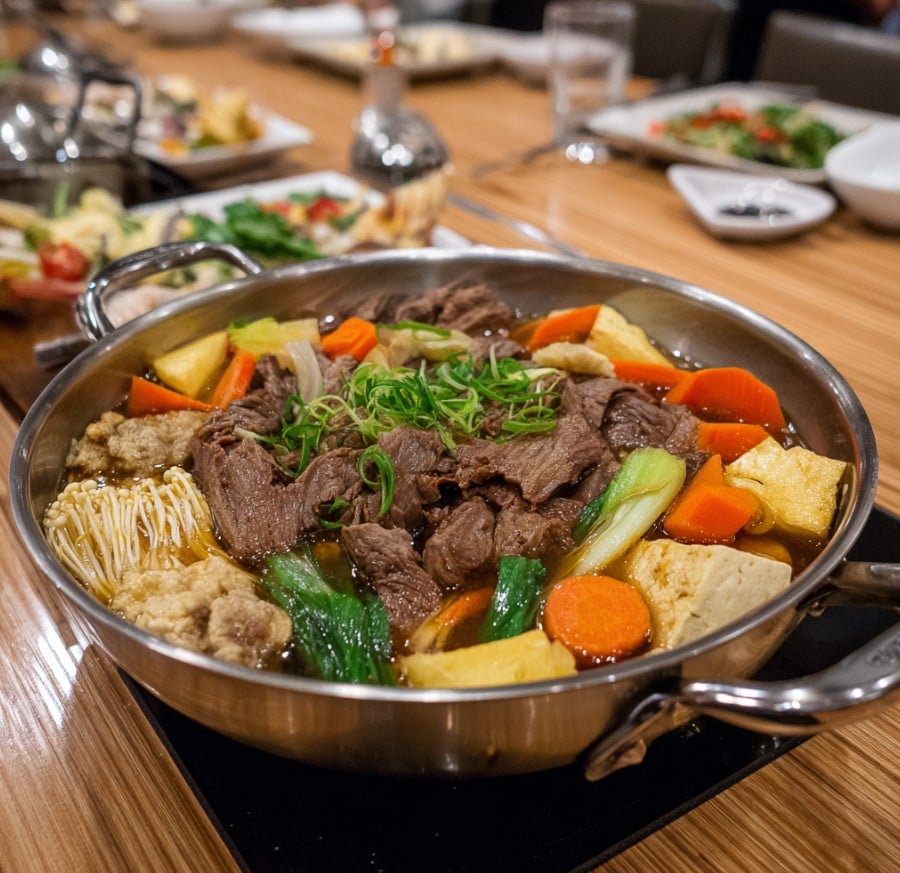
Sukiyaki is a well-known Japanese hot pot dish that brings people together around the table. It features thin slices of beef gently cooked in a shallow pan with vegetables and tofu in a lightly sweet and savory sauce. The dish is usually prepared and eaten directly at the table, allowing diners to enjoy the aroma and warmth as the ingredients slowly cook. Its rich flavor and comforting style have made Sukiyaki a favorite choice for gatherings, family meals, and special occasions throughout Japan.
One of the things that makes Sukiyaki stand out is the experience of sharing the meal. The ingredients are arranged neatly in the pan, creating an appealing presentation as they simmer together. The beef becomes tender while the sauce blends with the other components, creating a satisfying balance of taste and texture. This combination of flavor, warmth, and social dining has helped Sukiyaki remain a lasting favorite in Japanese cuisine.
Sukiyaki
Ingredients
Method
- Make the sauce: Mix 1/2 cup soy sauce, 1/2 cup mirin, 1/4 cup sake, 1/4 cup sugar, and 1/2 cup dashi.
- Sear the beef: Heat 1 tablespoon vegetable oil in a wide pot. Sear 1 lb beef briefly.
- Add the vegetables: Arrange 8 oz tofu, 8 oz cabbage, 4 oz shiitake mushrooms, 4 oz enoki mushrooms, and 4 green onions around the beef.
- Add the sauce: Pour the prepared sauce into the pot and bring to a gentle simmer.
- Add the noodles: Add 6 oz shirataki noodles and simmer for 5 to 7 minutes.
- Finish: Cook until the beef is done and the vegetables are tender.
- Serve: Serve the sukiyaki hot.
#17 – Karaage
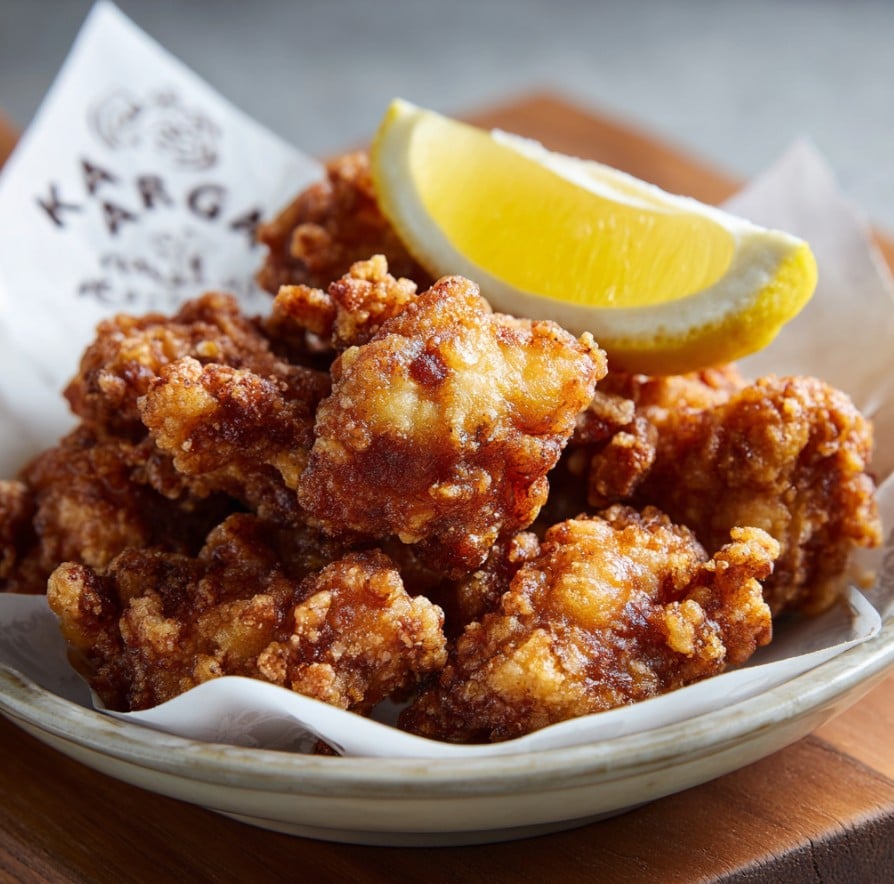
Karaage is a popular Japanese fried chicken dish known for its crispy texture and rich flavor. Bite sized pieces of chicken are lightly seasoned and coated before being deep fried until golden brown. The outside becomes crisp while the inside stays juicy and tender, creating a satisfying contrast in every bite. Karaage is commonly served as a snack, side dish, or part of a meal at restaurants, casual eateries, and home kitchens across Japan. Its simple appearance and inviting aroma often make it one of the first Japanese dishes people try.
The chicken pieces are usually small enough to pick up and eat in a few bites, which makes them perfect for sharing. You will often see Karaage served with a wedge of lemon or alongside shredded cabbage, adding freshness to the dish. Its crunchy texture, savory flavor, and wide availability have helped Karaage become a favorite comfort food both in Japan and in many other countries.
Karaage
Ingredients
Method
- Marinate the chicken: Mix 1 1/2 lb chicken with 3 tablespoons soy sauce, 2 tablespoons sake, 1 tablespoon ginger, 2 garlic cloves, and 1 teaspoon sesame oil. Chill for 30 minutes.
- Coat: Drain the chicken slightly, then coat with 3/4 cup potato starch.
- Heat the oil: Heat 4 cups vegetable oil to 340°F.
- Fry: Fry the chicken in batches for 3 to 4 minutes. Remove and rest for 2 minutes.
- Fry again: Increase the oil to 375°F and fry the chicken for 1 minute, until crisp and golden.
- Drain: Transfer the karaage to a wire rack or paper towels.
- Serve: Serve hot with 1 lemon, cut into wedges, and 1/2 cup Japanese mayonnaise.
#16 – Taiyaki
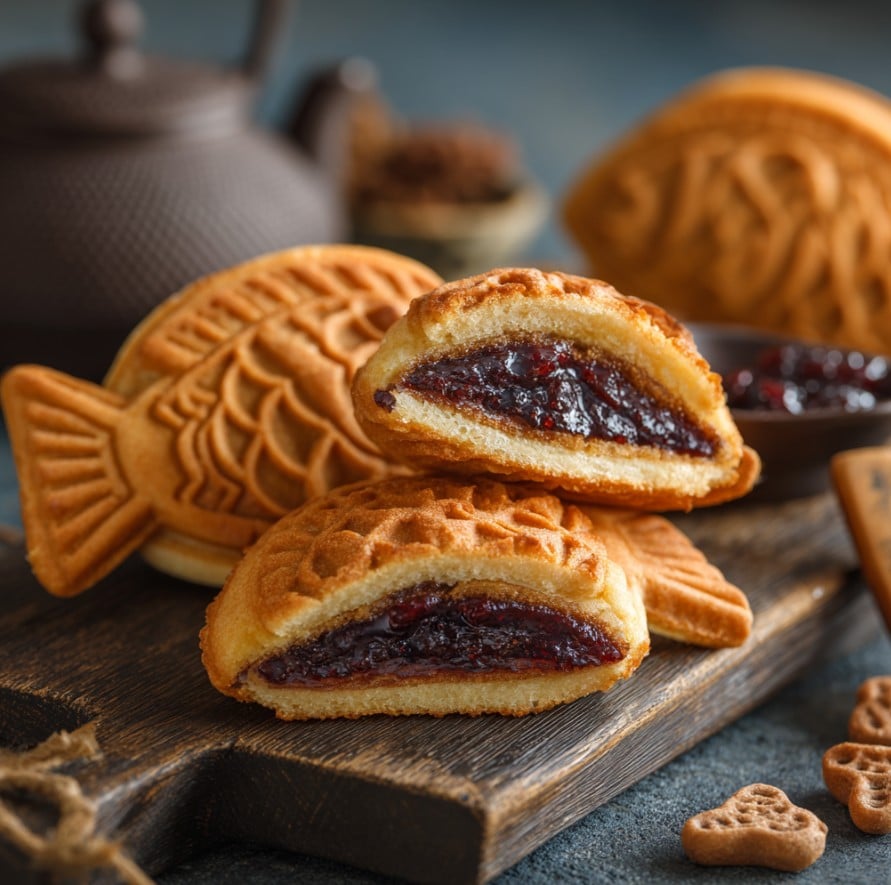
Taiyaki is a popular Japanese street snack known for its distinctive fish shape and warm, cake-like texture. The batter is cooked in a special mold that gives it a lightly crisp exterior while keeping the inside soft and fluffy. It is traditionally filled with sweet red bean paste, which provides a gentle sweetness that pairs well with the pastry. Taiyaki is commonly sold at food stalls, festivals, and small shops across Japan, where the freshly cooked aroma often attracts people looking for a quick treat.
Taiyaki is often compared with Imagawayaki, another filled pastry that uses a similar batter. The main difference is the shape and style of cooking. Imagawayaki is round and thicker, while Taiyaki is molded into the shape of a fish, giving it a thinner pastry and a more playful look. This unique appearance, combined with its warm filling and soft texture, has helped Taiyaki remain a well loved snack in Japanese street food culture.
Taiyaki
Ingredients
Method
- Mix the dry ingredients: Combine 1 1/2 cups flour, 2 teaspoons baking powder, and 2 tablespoons sugar.
- Make the batter: Whisk 1 egg, 1 cup milk, and 1 teaspoon vanilla. Stir into the flour mixture until just combined.
- Heat the pan: Heat a taiyaki pan over medium-low and lightly grease with 1 tablespoon vegetable oil.
- Fill: Spoon batter into each mold. Add about 2 tablespoons of the 1 cup red bean paste, then cover with more batter.
- Cook: Close the pan and cook for 2 to 3 minutes per side, until golden brown.
- Cool: Remove the taiyaki and cool for 2 minutes.
- Serve: Serve warm.
#15 – Miso Soup
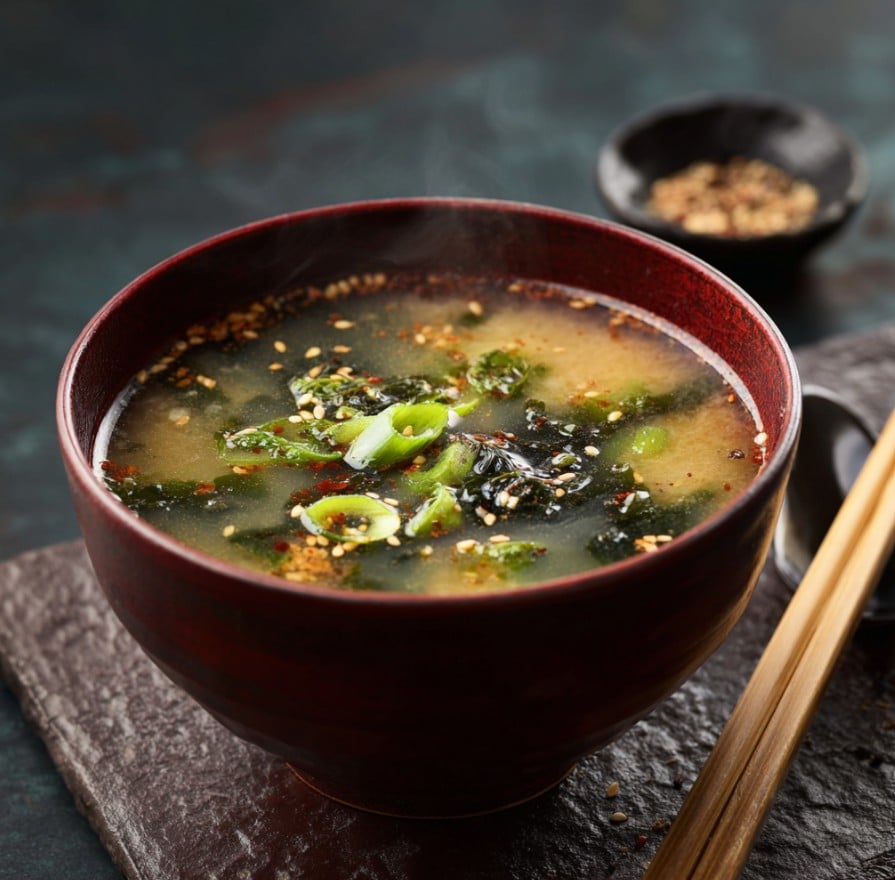
Miso Soup is one of the most familiar dishes in Japanese cuisine and is often served as part of everyday meals. The soup is prepared with a light broth blended with miso paste, which gives it a savory and slightly rich flavor. Simple ingredients such as tofu, seaweed, and green onions are commonly added, creating a gentle mix of textures in each bowl. Its warm and comforting taste pairs naturally with rice and other dishes, which is why it appears frequently in traditional Japanese meal sets.
In Japan, Miso Soup is more than just a side dish. It is a daily staple that many people grow up eating from childhood. Restaurants often serve it as part of set meals, while families regularly prepare it at home because it is simple and satisfying. The soup’s mild aroma and smooth appearance make it easy to enjoy alongside many different foods. Its long history and consistent presence in Japanese dining have helped make Miso Soup one of the most recognized elements of the country’s food culture.
Miso Soup
Ingredients
Method
- Heat the dashi: Bring 4 cups dashi to a gentle simmer.
- Add the wakame: Stir in 1 tablespoon dried wakame and cook for 2 minutes.
- Add the tofu: Add 6 oz tofu and warm for 2 minutes.
- Add the miso: Whisk 3 tablespoons miso with 1/2 cup hot dashi in a bowl, then stir it back into the pot.
- Warm: Heat gently without boiling for 1 minute.
- Serve: Divide into bowls and top with 2 sliced green onions.
#14 – Zaru Soba
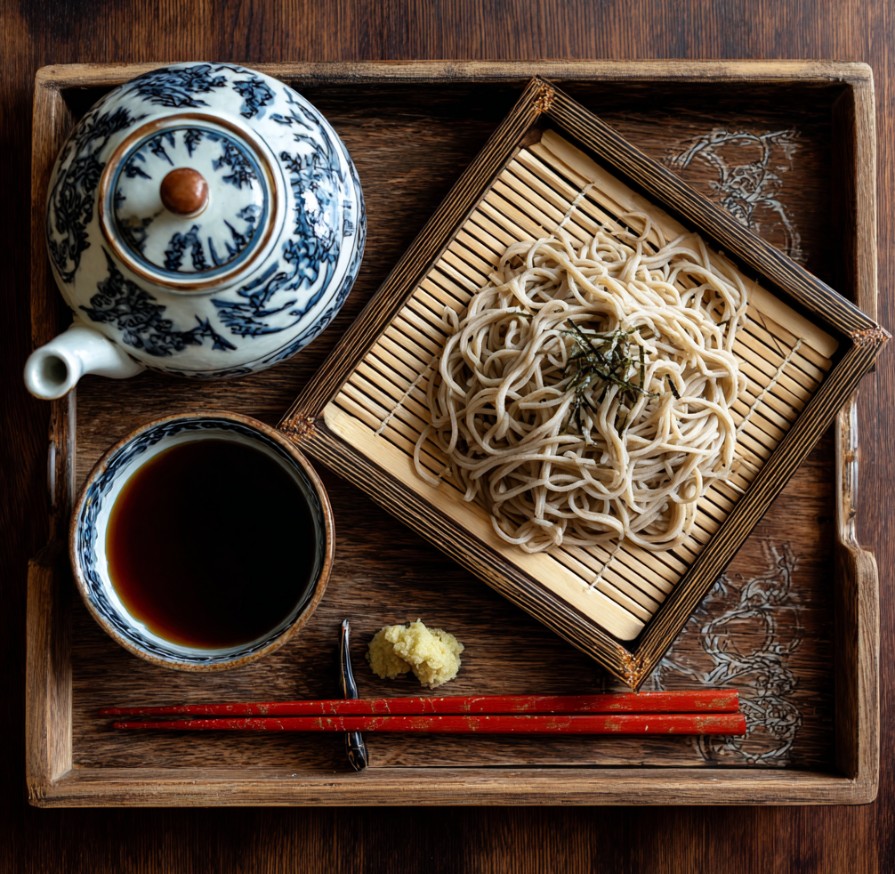
Zaru Soba is a refreshing Japanese noodle dish that is perfect for warmer weather. Made from buckwheat noodles, it is cooked and then chilled before serving. The noodles are often presented neatly on a bamboo tray and accompanied by a cold dipping sauce called tsuyu. This combination creates a clean, light taste that highlights the subtle, nutty flavor of the buckwheat. Small garnishes such as green onions, nori seaweed, or a hint of wasabi add extra flavor without overwhelming the dish.
What makes Zaru Soba appealing is its balance of simplicity and satisfaction. The firm, slightly chewy texture of the noodles contrasts nicely with the savory dipping sauce. Its neat presentation and light flavor make it a popular choice for lunch or a quick meal during hot days. Zaru Soba demonstrates how traditional ingredients and careful preparation can create a dish that is both enjoyable and visually pleasing.
Zaru Soba
Ingredients
Method
- Make the dipping sauce: Simmer 1/2 cup dashi, 1/4 cup soy sauce, and 1/4 cup mirin for 2 minutes. Cool and refrigerate.
- Cook the noodles: Boil 8 oz soba according to package directions, until tender.
- Rinse: Drain the soba and rinse thoroughly under cold water. Drain well.
- Plate: Divide the cold soba among plates and top with 1 sheet sliced nori and 1 tablespoon sesame seeds.
- Prep the garnishes: Divide 2 sliced green onions and 1 tablespoon wasabi into small dishes.
- Serve: Serve the cold soba with the chilled dipping sauce and garnishes.
#13 – Shabu-Shabu
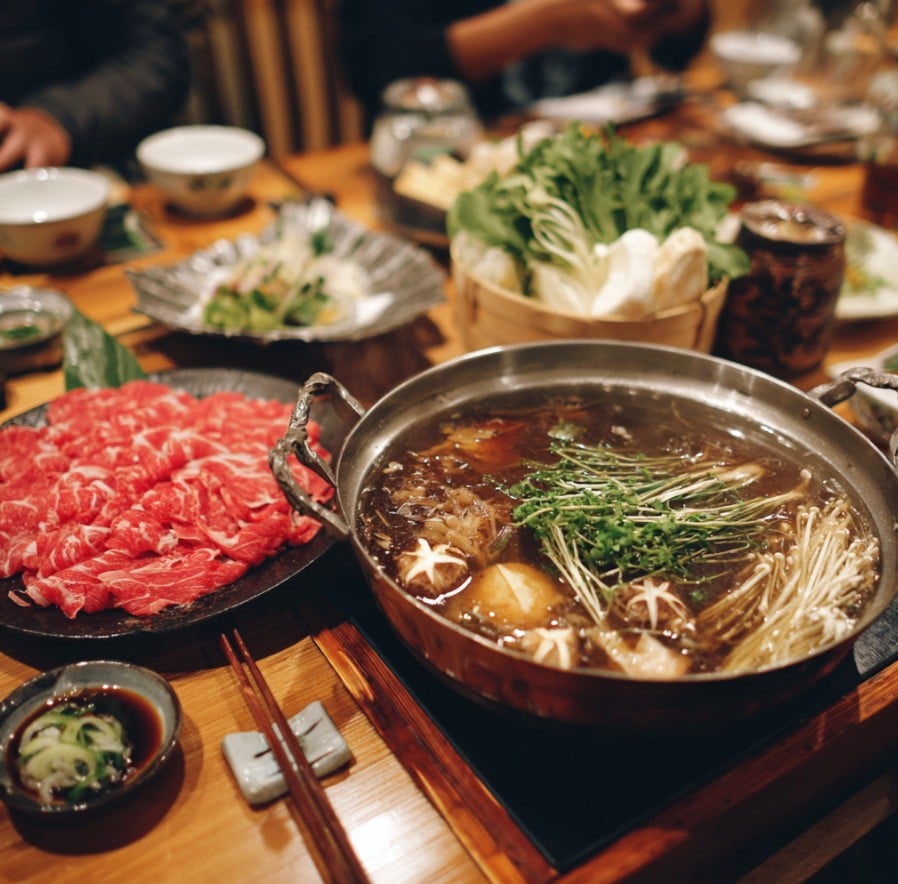
Shabu-Shabu is a popular Japanese hot pot dish that features thinly sliced meat and fresh vegetables cooked quickly in a pot of simmering broth. Diners typically swish the meat through the hot liquid, allowing it to cook briefly before dipping it into flavorful sauces. This interactive style of eating makes Shabu-Shabu both engaging and enjoyable, as each person can cook ingredients to their preferred level. The dish is often served with a variety of vegetables, tofu, and mushrooms, which absorb the light broth and add subtle textures to the meal.
The thin slices of meat cook quickly, retaining tenderness, while the assortment of ingredients allows for a balanced meal. Its clean taste, warm broth, and hands-on preparation make it a favorite for gatherings, family meals, and special occasions. Shabu-Shabu remains a staple of Japanese cuisine because of its comforting yet interactive dining experience.
Shabu-Shabu
Ingredients
Method
- Make the broth: Add 6 cups dashi and 1 piece kombu to a wide pot. Heat gently and remove the kombu before boiling.
- Add the vegetables: Add 8 oz cabbage, 4 oz shiitake mushrooms, 4 oz enoki mushrooms, 8 oz tofu, 2 green onions, and 1 carrot.
- Simmer: Cook the vegetables for 5 to 7 minutes, until tender.
- Cook the beef: Swish the 1 lb sliced ribeye through the simmering broth for 15 to 30 seconds, until cooked.
- Dip: Serve the beef and vegetables with 1/2 cup ponzu and 1/2 cup sesame sauce.
- Finish: Add 8 oz cooked udon to the remaining broth and heat for 2 minutes.
#12 – Yakitori
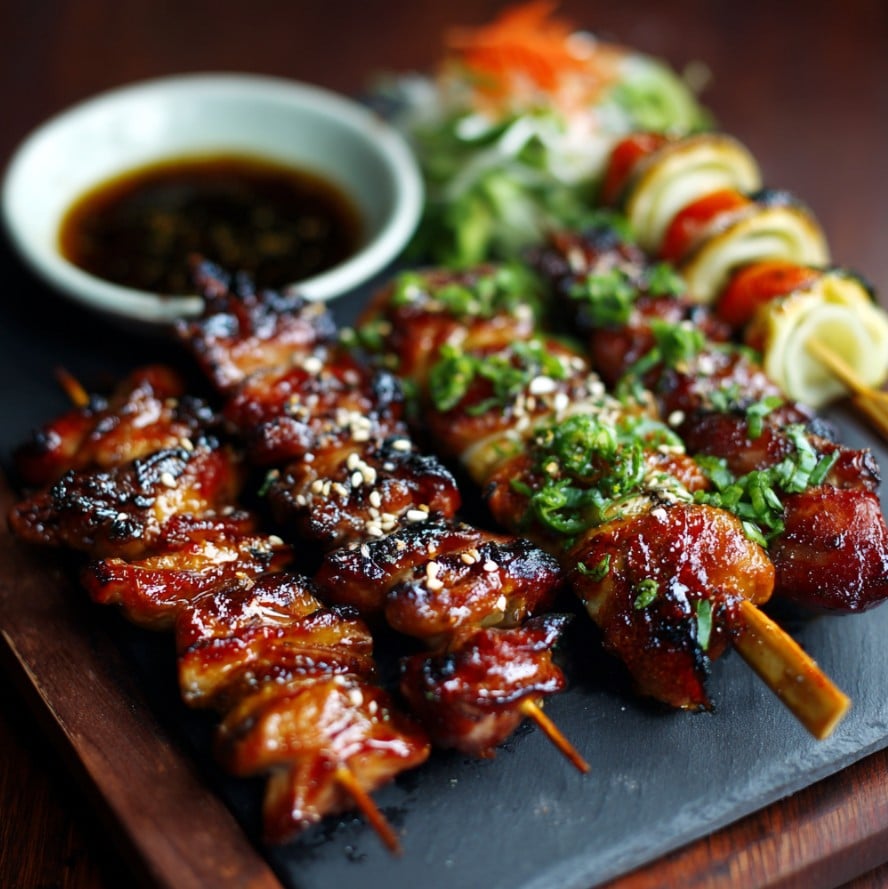
Yakitori is a classic Japanese dish that features bite-sized pieces of chicken grilled on skewers. The meat is often seasoned with a light soy-based sauce or simply with salt, allowing the natural flavors to shine through. The grilling process gives the chicken a slightly smoky aroma and a tender texture that many people find appealing. Yakitori is commonly enjoyed at casual restaurants, street stalls, and izakayas, making it a popular choice for quick meals or social dining.
What makes Yakitori special is the combination of simplicity and variety. Different parts of the chicken, such as thigh, breast, or even skin, can be used, offering subtle differences in taste and texture. The skewers make it easy to share and enjoy with friends or family. Its appealing aroma, savory flavor, and approachable style have helped Yakitori remain a staple of Japanese cuisine and a favorite at gatherings or casual outings.
Yakitori
Ingredients
Method
- Make the sauce: Simmer 1/2 cup soy sauce, 1/2 cup mirin, 1/4 cup sake, 2 tablespoons sugar, and 1 teaspoon ginger for 10 minutes.
- Build the skewers: Thread 1 1/2 lb chicken and 6 green onions onto 8 soaked skewers.
- Grill: Cook the skewers over medium-high heat for 3 to 4 minutes per side.
- Glaze: Brush the skewers with the sauce and grill for 1 minute.
- Glaze again: Turn, brush with more sauce, and grill for 1 minute.
- Serve: Serve the yakitori hot with extra sauce on the side.
#11 – Tonkatsu
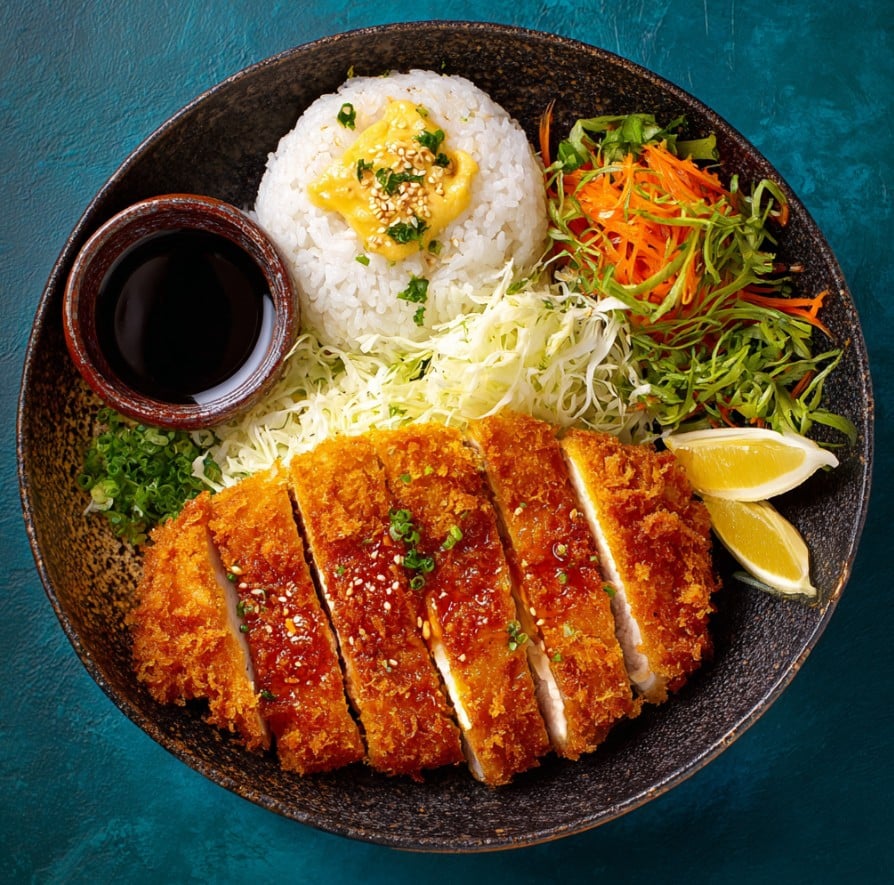
Tonkatsu is a popular Japanese dish featuring a breaded and deep-fried pork cutlet. The pork is coated in panko breadcrumbs, giving it a crispy exterior while keeping the meat inside tender and juicy. Tonkatsu is usually served with shredded cabbage, rice, and a savory sauce that enhances its flavor without overpowering the natural taste of the pork. Its appealing combination of crunchy texture and rich taste makes it a favorite in both casual restaurants and home kitchens across Japan.
The golden brown cutlet contrasts with the fresh cabbage and plain rice, creating a visually inviting plate. Many enjoy it as a comforting meal, while others pair it with curry or sandwiches for variety. Tonkatsu’s satisfying texture, hearty taste, and accessibility have helped it become one of the most recognizable and beloved dishes in Japanese cuisine.
Tonkatsu
Ingredients
Method
- Prep the pork: Pound 4 pork chops to about 1/2 inch thick. Season with 1 teaspoon salt and 1/2 teaspoon pepper.
- Set up the coating: Place 1/2 cup flour and 2 cups panko in separate dishes. Beat 2 eggs in another.
- Bread the pork: Coat each chop in flour, egg, then panko. Press gently to adhere.
- Heat the oil: Heat 4 cups vegetable oil to 350°F.
- Fry: Fry the pork for 4 to 6 minutes, turning once, until golden and cooked through.
- Drain: Transfer the tonkatsu to a wire rack and rest for 3 minutes.
- Slice: Cut each pork cutlet into strips.
- Serve: Serve with 2 cups shredded cabbage, 1/2 cup tonkatsu sauce, and 1 lemon, cut into wedges.
#10 – Gyoza
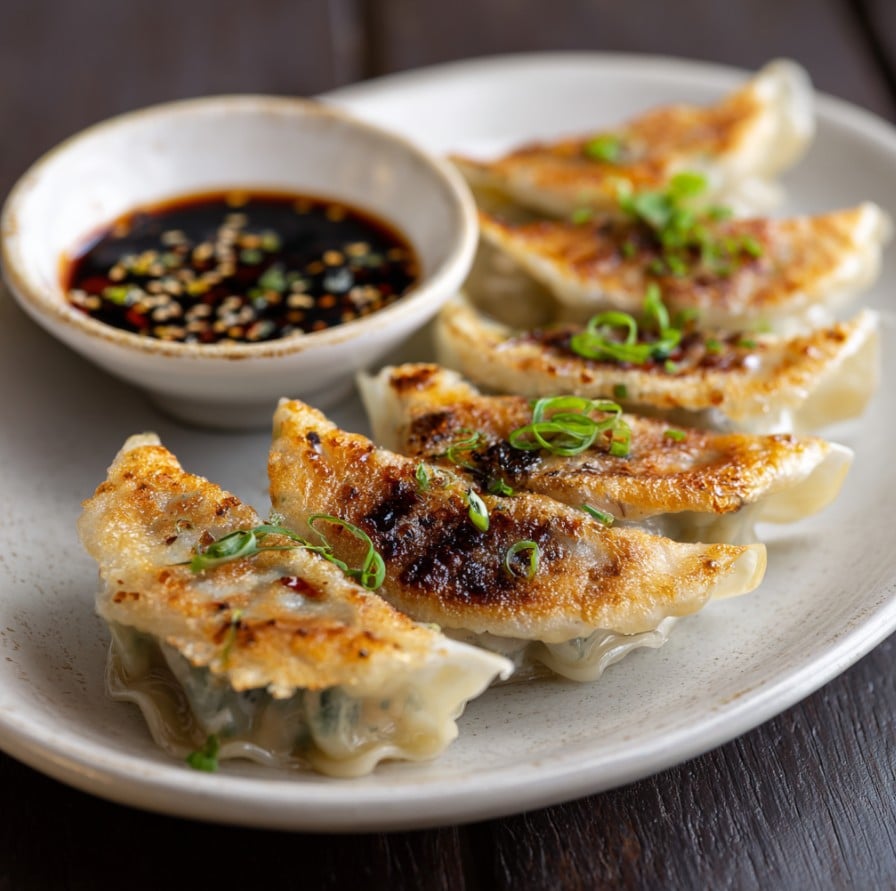
Gyoza is a popular Japanese dumpling known for its thin wrapper and flavorful filling, typically made from ground meat and vegetables. The dumplings are usually pan-fried to create a crispy bottom while keeping the top soft and tender. Gyoza is often served with a dipping sauce made of soy sauce and vinegar, which enhances the taste without overpowering the filling. Its combination of textures and savory flavor has made it a favorite appetizer, snack, or side dish in Japanese cuisine.
The dumplings are commonly shared, making them a social and approachable dish at restaurants and home gatherings alike. Gyoza’s satisfying taste, easy-to-eat format, and inviting presentation have helped it remain a staple of Japanese dining, enjoyed by people of all ages.
Gyoza
Ingredients
Method
- Make the filling: Mix 1/2 lb pork, 1 cup cabbage, 2 green onions, 2 garlic cloves, 1 teaspoon ginger, 1 tablespoon soy sauce, 1 teaspoon sesame oil, 1 teaspoon rice vinegar, and 1/4 teaspoon pepper.
- Fill: Place about 1 tablespoon filling in each of 24 gyoza wrappers.
- Seal: Wet the wrapper edges, fold in half, and pleat tightly.
- Sear: Heat 1 tablespoon vegetable oil in a skillet. Cook the gyoza for 2 minutes, until browned underneath.
- Steam: Add 1/3 cup water, cover, and cook for 4 to 5 minutes.
- Crisp: Uncover and cook for 1 to 2 minutes, until the bottoms are crisp.
- Serve: Mix 1/4 cup soy sauce with 2 tablespoons rice vinegar and serve with the gyoza.
#9 – Sashimi
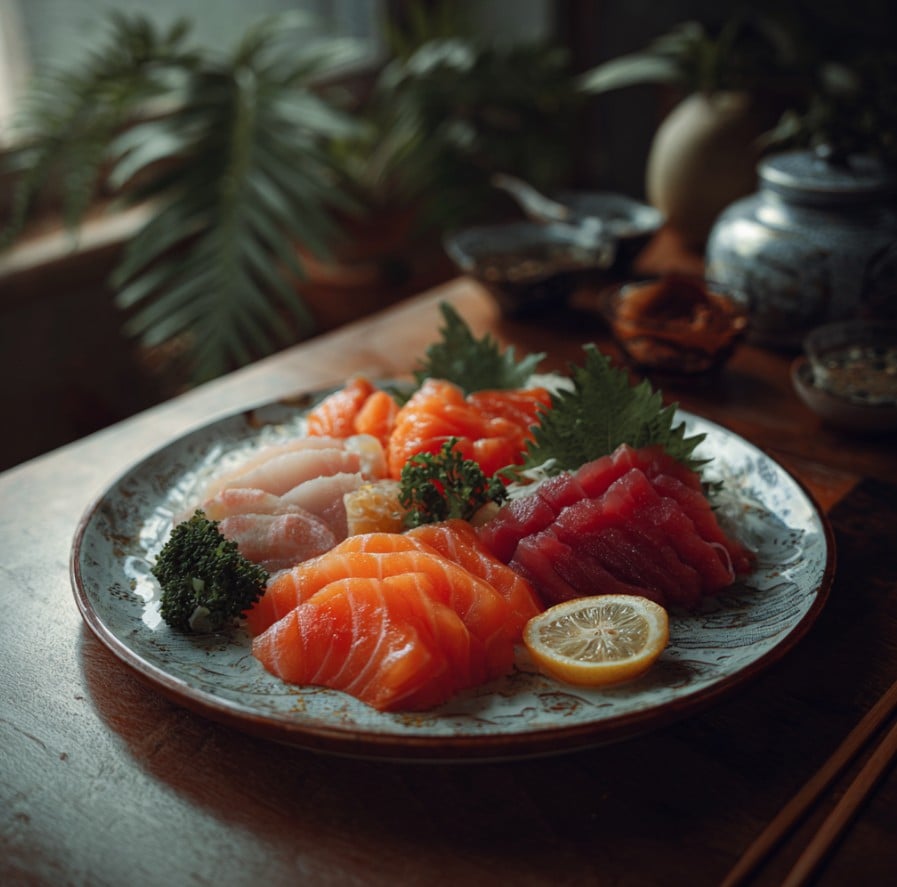
Sashimi is a traditional Japanese dish that features thinly sliced raw fish or meat, served without rice to showcase the natural flavors of the ingredients. The slices are carefully cut to create a tender texture that melts in the mouth while retaining a slight firmness. It is often presented with simple garnishes like shredded daikon radish, shiso leaves, or a small touch of wasabi, which enhance the flavor and add a subtle visual appeal. Its focus on freshness and simplicity has made Sashimi a favorite among people who enjoy clean, delicate tastes.
Beyond taste, Sashimi is celebrated for its artistry and precision. Each piece is arranged thoughtfully on the plate to create a visually pleasing experience, reflecting Japanese attention to aesthetics in food. The dish allows diners to appreciate the quality and texture of the seafood directly. This combination of elegance, freshness, and simplicity has helped Sashimi remain a signature dish in Japanese cuisine enjoyed worldwide.
Sashimi
Ingredients
Method
- Chill the fish: Keep 8 oz salmon and 8 oz tuna refrigerated until ready to slice.
- Slice: Cut the salmon and tuna across the grain into slices about 1/4 inch thick.
- Prep the plate: Arrange 1/2 shredded daikon and 1 shiso leaf on a serving plate.
- Arrange: Place the sliced salmon and tuna over the daikon.
- Serve: Serve immediately with 1/4 cup soy sauce, 2 tablespoons pickled ginger, and 1 tablespoon wasabi.
#8 – Onigiri
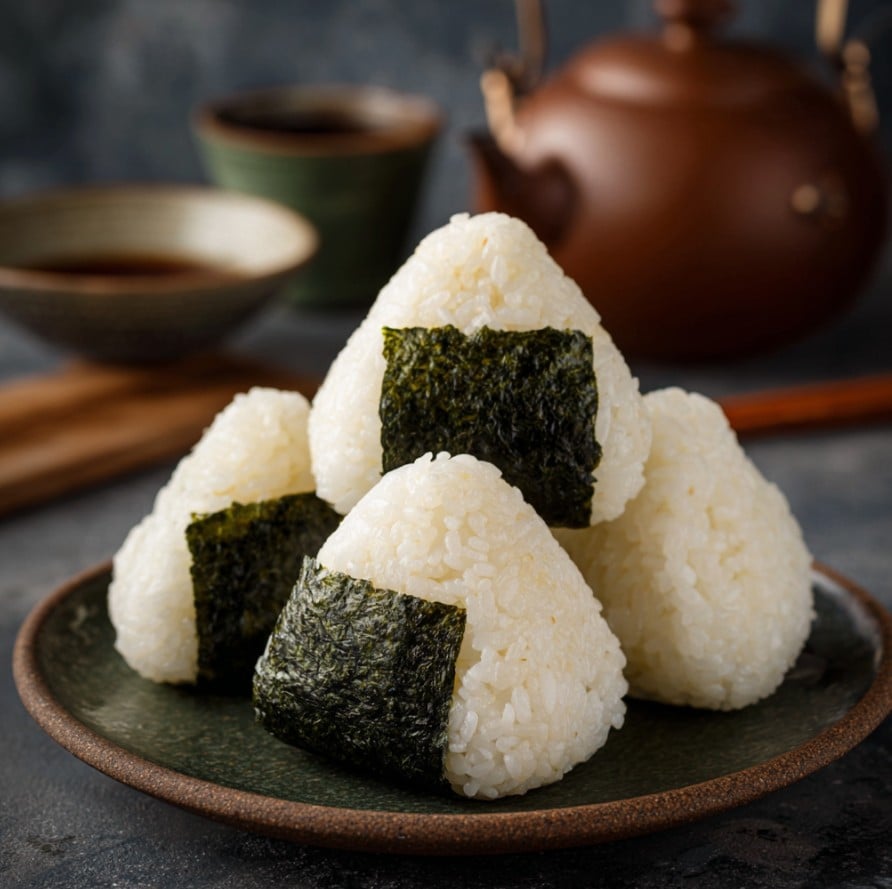
Onigiri is a traditional Japanese rice ball that is both simple and convenient. Made from seasoned or plain rice, it is often shaped into triangles or cylinders and wrapped partially with nori (seaweed) for easy handling. Onigiri can contain fillings such as pickled plum, grilled salmon, or seasoned vegetables, offering a satisfying bite while remaining portable. Its mild flavor and versatility have made it a staple snack, lunch item, and travel companion throughout Japan.
What makes Onigiri special is the way it blends practicality with tradition. Each rice ball is carefully shaped, and the fillings provide a surprise of flavor inside. The neat, compact appearance and the ease of eating with one hand make it perfect for picnics, school lunches, or quick meals on the go. Over time, Onigiri has become not only a convenient food but also a symbol of everyday Japanese dining, reflecting simplicity, care, and comfort in every bite.
#7 – Japanese Curry
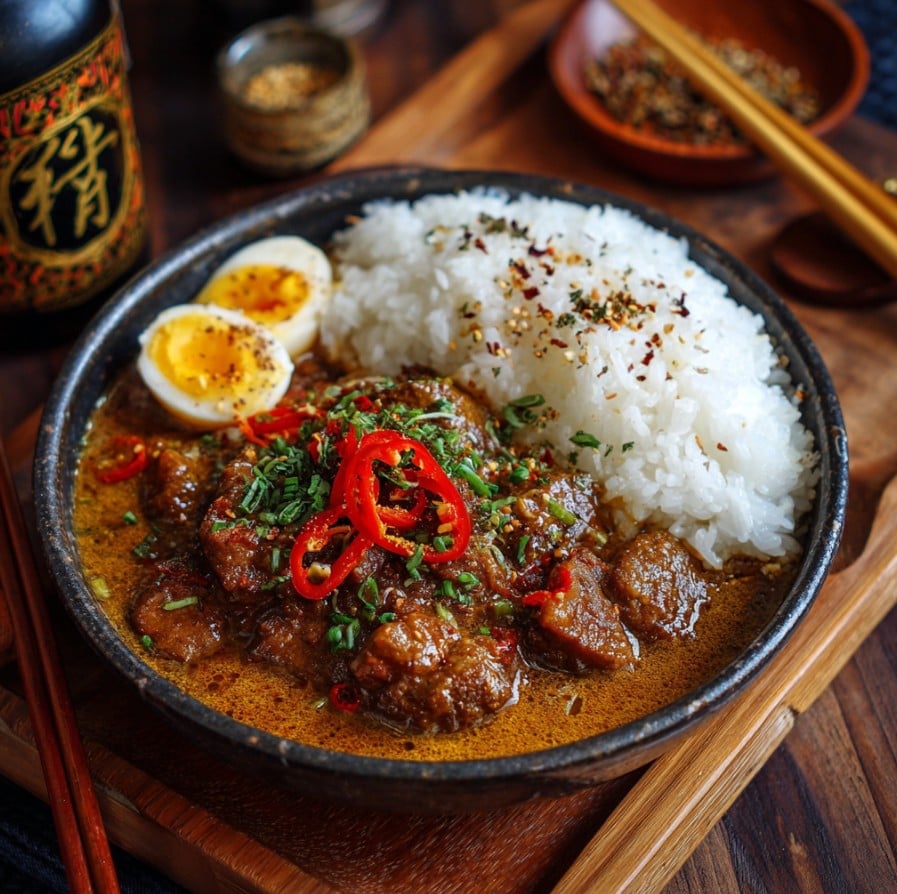
Japanese Curry is a comforting dish featuring a thick, mildly spiced sauce served over rice. Unlike traditional Indian curry, it is sweeter and less spicy, making it approachable for a wide range of palates. The sauce often includes vegetables such as carrots, potatoes, and onions, along with meat like beef, chicken, or pork. Japanese Curry is commonly served as a main meal at home, in casual restaurants, or in pre-packaged form, making it an accessible favorite for both everyday dining and quick meals.
The sauce has a smooth, hearty consistency that coats the rice and ingredients, creating a satisfying bite with each spoonful. Its comforting aroma and rich texture make it a go-to meal for families and students alike.
Japanese Curry
Ingredients
Method
- Brown the chicken: Heat 1 tablespoon vegetable oil in a pot. Cook 1 lb chicken for 4 minutes.
- Cook the onion: Add 1 sliced onion and cook for 5 minutes.
- Add the vegetables: Stir in 2 carrots and 2 potatoes.
- Simmer: Add 3 cups water. Cover and simmer for 15 to 20 minutes, until tender.
- Add the roux: Lower the heat and stir in 4 oz curry roux until dissolved.
- Season: Add 1 tablespoon soy sauce, 1 tablespoon Worcestershire sauce, and 1 teaspoon honey.
- Thicken: Simmer for 5 to 10 minutes, stirring occasionally.
- Serve: Spoon the curry over 4 cups cooked white rice.
#6 – Yaki Udon
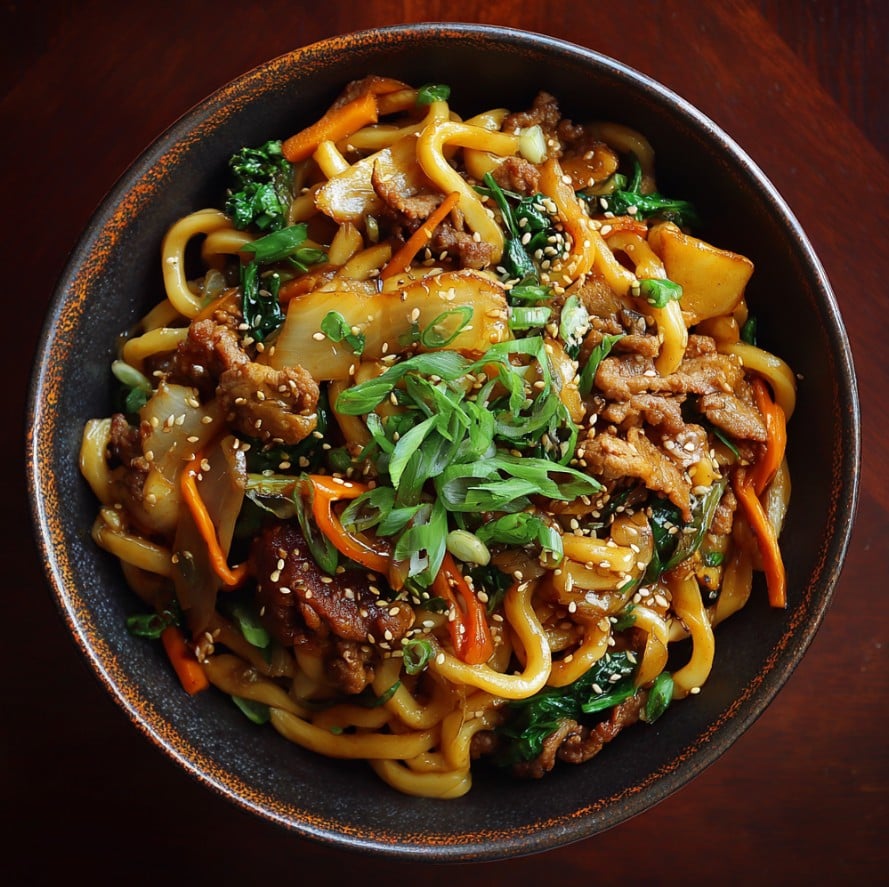
Yaki Udon is a popular Japanese stir-fried noodle dish made with thick, chewy udon noodles. The noodles are cooked in a hot pan with vegetables such as cabbage and carrots, and often include sliced meat or seafood. A savory soy-based sauce coats the noodles, giving them a rich, satisfying flavor. Yaki Udon is commonly served in casual restaurants, izakayas, and at home, offering a quick and filling meal that is both flavorful and easy to enjoy.
The stir-frying process adds a subtle char and depth of flavor that contrasts with the soft noodles. Its colorful presentation, hearty texture, and versatile ingredients make it a favorite choice for lunch, dinner, or casual gatherings. Yaki Udon has become a beloved example of Japanese comfort food that combines taste, texture, and convenience.
Yaki Udon
Ingredients
Method
- Make the sauce: Mix 2 tablespoons soy sauce, 1 tablespoon oyster sauce, 1 tablespoon mirin, and 1 teaspoon sesame oil.
- Cook the pork: Heat 1 tablespoon vegetable oil in a skillet. Cook 8 oz pork for 3 to 4 minutes.
- Add the vegetables: Add 1 cup cabbage, 1 carrot, and 1/2 onion. Stir-fry for 3 minutes.
- Add the noodles: Add 16 oz cooked udon and toss for 1 minute.
- Sauce: Pour in the sauce and add 1/2 teaspoon black pepper. Toss for 2 minutes.
- Finish: Stir in 2 sliced green onions.
- Serve: Top with 1 tablespoon bonito flakes and serve hot.
#5 – Tempura
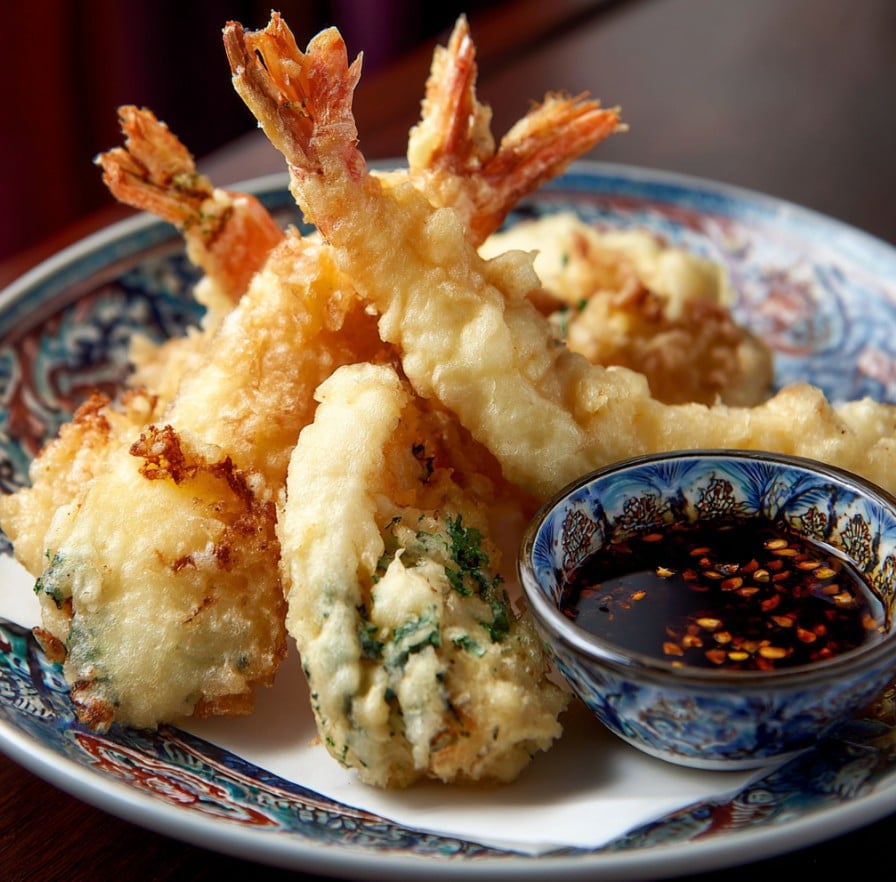
Tempura is a classic Japanese dish featuring seafood, vegetables, or other ingredients lightly coated in a delicate batter and deep-fried to a crisp. Shrimp tempura is the most common and popular variety, known for its tender, juicy interior and lightly crunchy exterior. Other ingredients, such as sweet potatoes, mushrooms, and green beans, are also commonly used, creating a mix of textures and flavors. Tempura is often served with a dipping sauce or a sprinkle of salt, enhancing the natural taste of the ingredients.
What makes Tempura stand out is the skill and care required in its preparation. The golden, evenly fried pieces are visually appealing, and achieving the perfect crispness requires precise timing and temperature control. The combination of light crunch, fresh flavors, and careful presentation has helped Tempura remain a classic and beloved part of Japanese cuisine.
Tempura
Ingredients
Method
- Prep the ingredients: Pat 8 oz shrimp, 1 sweet potato, 1 zucchini, and 1/2 cup broccoli dry.
- Heat the oil: Heat 6 cups vegetable oil to 350°F.
- Make the batter: Lightly whisk 1 egg with 1 cup ice-cold water. Stir in 1 cup flour, leaving the batter slightly lumpy.
- Dust: Lightly coat the shrimp and vegetables with 1/2 cup flour.
- Batter: Dip the shrimp and vegetables into the cold batter.
- Fry: Fry in batches for 2 to 3 minutes, until crisp and lightly golden.
- Drain: Transfer the tempura to a wire rack or paper towels.
- Serve: Serve immediately with 1/2 cup tentsuyu dipping sauce.
#4 – Takoyaki
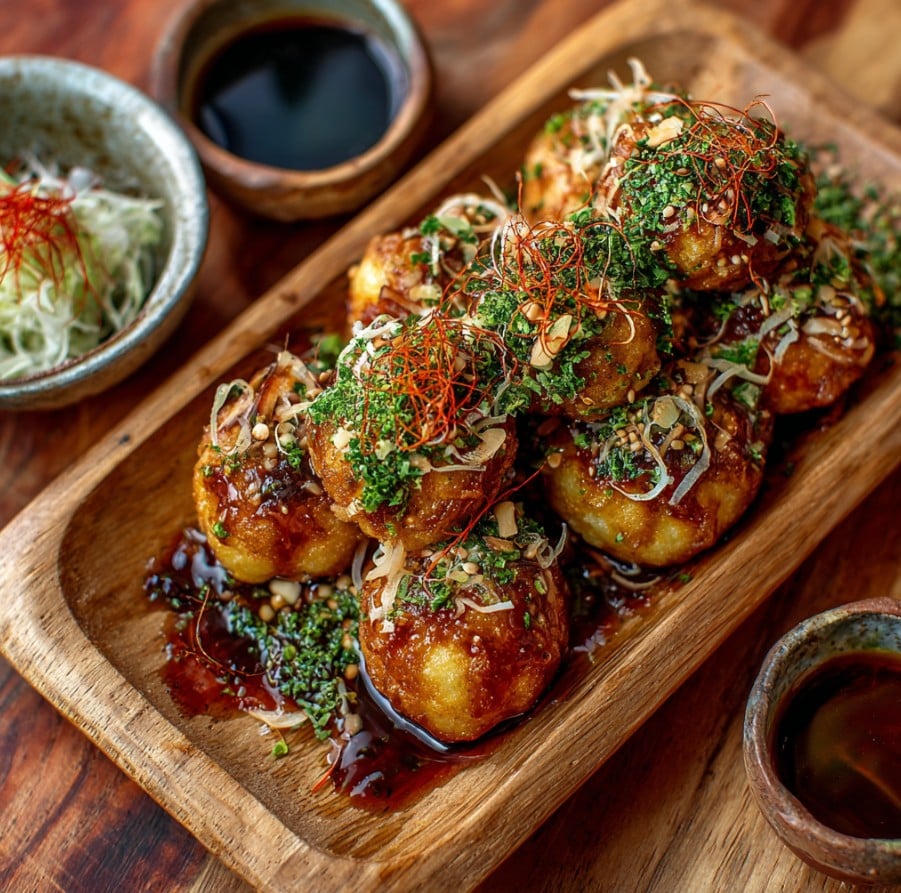
Takoyaki is a popular Japanese street food made from a wheat flour batter cooked in special round molds, filled with pieces of octopus, green onions, and sometimes pickled ginger. The small, round balls have a slightly crispy exterior while remaining soft and creamy inside. Takoyaki is typically topped with a savory sauce, mayonnaise, dried bonito flakes, and seaweed powder, giving it a mix of flavors and an appealing presentation.
The crispy outside contrasts with the soft interior, while the flavorful toppings enhance each bite. Its convenient, bite-sized form makes it perfect for snacking or sharing, and the process of watching it cooked adds to the enjoyment. This combination has helped Takoyaki remain a signature street food in Japan.
Takoyaki
Ingredients
Method
- Make the batter: Whisk 1 cup flour, 2 eggs, 2 cups dashi, and 1 tablespoon soy sauce until smooth.
- Heat the pan: Brush a takoyaki pan with 2 tablespoons vegetable oil and heat over medium-high.
- Fill: Pour batter into the wells. Add 8 oz octopus, 1/2 cup green onions, 1/2 cup tenkasu, and 2 tablespoons pickled ginger.
- Turn: Cook for 2 to 3 minutes, then turn each takoyaki with skewers.
- Finish cooking: Keep turning for 4 to 5 minutes, until round and golden.
- Top: Drizzle with 1/4 cup takoyaki sauce and 1/4 cup Japanese mayonnaise.
- Finish: Sprinkle with 2 tablespoons bonito flakes and 1 tablespoon aonori. Serve hot.
#3 – Okonomiyaki
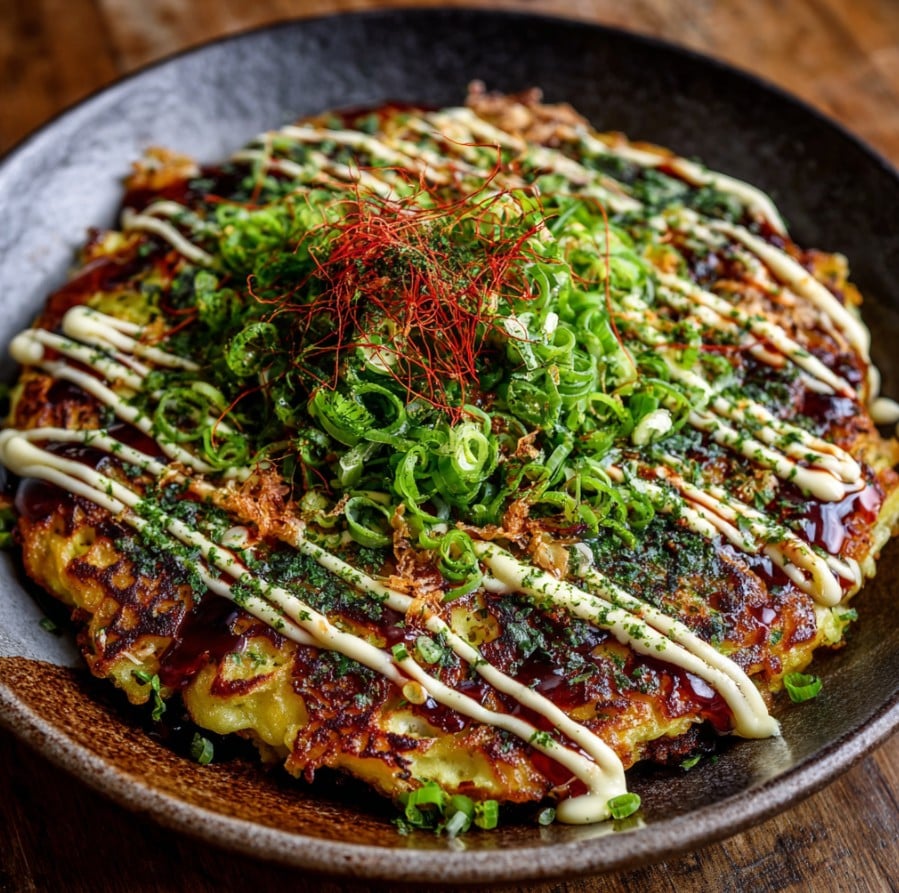
Okonomiyaki is a savory Japanese pancake made from a batter of flour, eggs, shredded cabbage, and other ingredients that can include meat, seafood, or vegetables. The name loosely translates to “grill what you like,” reflecting the dish’s versatility and customizable nature. It is cooked on a flat griddle and typically topped with a rich sauce, mayonnaise, dried bonito flakes, and seaweed powder, creating a flavorful and visually appealing meal. Okonomiyaki is popular at specialty restaurants, street stalls, and casual eateries across Japan.
Diners can often help cook the pancake on the griddle, adjusting ingredients and thickness to their preference. The combination of tender interior, flavorful toppings, and slightly crisp exterior creates a satisfying bite. Its hearty yet adaptable nature has helped Okonomiyaki become a beloved dish that is enjoyed both as a snack and a full meal.
Okonomiyaki
Ingredients
Method
- Make the batter: Whisk 1 cup flour, 3/4 cup dashi, and 2 eggs until just combined.
- Add the vegetables: Fold in 4 cups cabbage, 4 green onions, and 1/2 cup tenkasu.
- Heat the skillet: Heat 1 tablespoon of the 2 tablespoons vegetable oil over medium heat.
- Cook: Spoon half the batter into the skillet and shape into a thick pancake. Top with half of the 8 oz pork belly.
- Flip: Cook for 4 to 5 minutes, flip, and cook for another 4 to 5 minutes.
- Repeat: Cook the remaining batter and pork belly with the remaining 1 tablespoon vegetable oil.
- Top: Drizzle the 2 pancakes with 1/4 cup okonomiyaki sauce and 1/4 cup Japanese mayonnaise.
- Finish: Sprinkle with 2 tablespoons bonito flakes and 1 tablespoon aonori. Serve hot.
#2 – Ramen
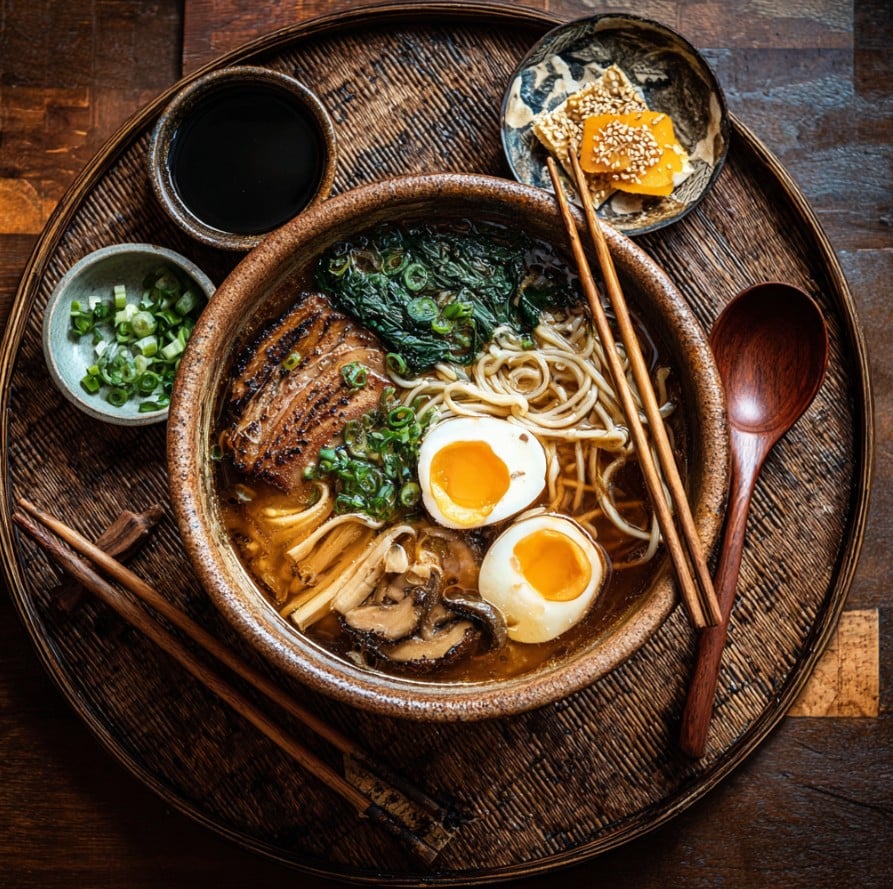
Ramen is a popular Japanese noodle soup that features wheat noodles served in a flavorful broth. The broth can vary widely, from rich pork-based tonkotsu to lighter soy or miso styles, each offering a distinct taste experience. Ramen is typically topped with ingredients such as sliced meat, soft-boiled eggs, green onions, and seaweed, creating a satisfying combination of flavors and textures. It is widely enjoyed in ramen shops, casual restaurants, and even as instant varieties, making it accessible for both quick meals and dining experiences.
What makes Ramen stand out is its depth of flavor and variety. Each bowl is carefully prepared to balance the richness of the broth with the chewiness of the noodles and the freshness of the toppings. Its versatility and satisfying taste have helped Ramen become one of the most recognized and beloved elements of Japanese cuisine.
#1 – Sushi
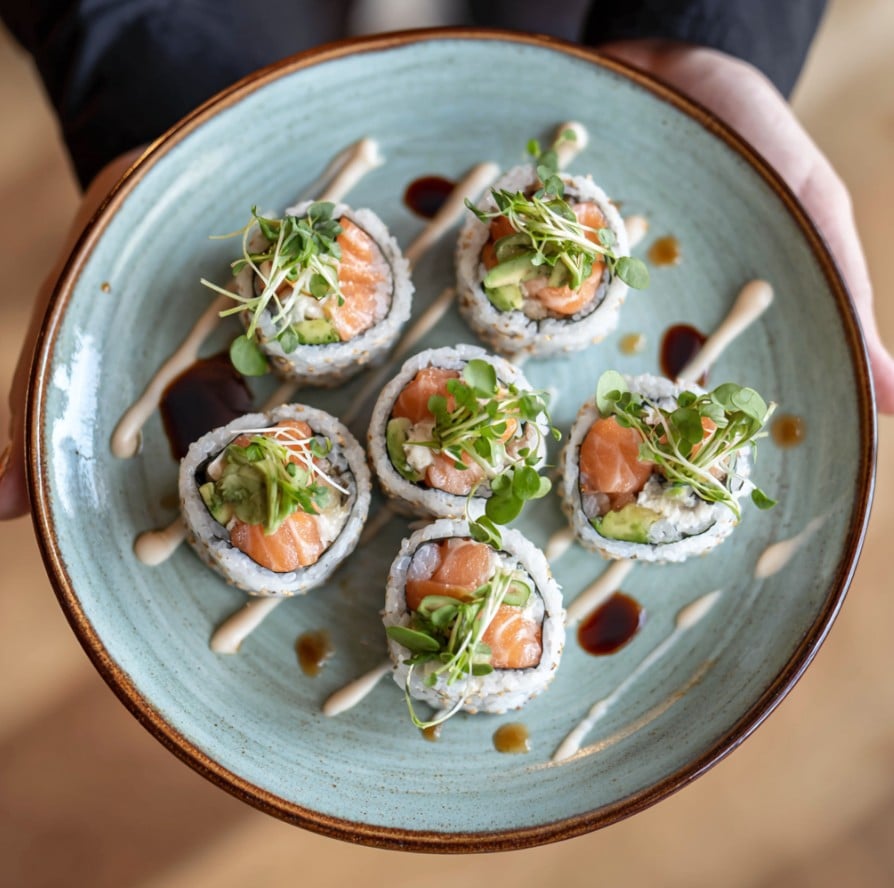
Sushi is one of the most iconic Japanese dishes, consisting of seasoned rice paired with fresh ingredients such as raw fish, seafood, or vegetables. It comes in various forms, including nigiri, maki rolls, and sashimi-style presentations. The combination of lightly seasoned rice and fresh toppings creates a harmonious balance of taste, texture, and appearance. Sushi is commonly enjoyed in restaurants, sushi bars, and at home, and it is celebrated worldwide for its delicate flavors and cultural significance.
Each piece is carefully shaped, and the rice is seasoned just right to complement the fresh toppings. The combination of texture, flavor, and visual appeal allows every bite to feel balanced and enjoyable. Sushi showcases the attention to detail and respect for ingredients that are central to Japanese cuisine, making it a dish that is both satisfying and culturally meaningful.


Takoyaki… octopus balls… super yummy super famous…
You should also try basashi. Thin slices of raw horse meat served with dipping sauces. Surprisingly good.
I love squeaky clean fresh Japanese cuisine !! Every foods are low fat that similar to French cuisine. Unlikely all fried cheep oily Chinese foods.
You hit on all my favorites – except unagi.
Excellent article!
Learned a lot here!
Appreciate that! Happy to hear you found it useful.
Could not decide which to do first. Maybe several together now. Super write up and photos.
Lewisjohn, thanks so much! Glad you enjoyed the write-up and photos.