

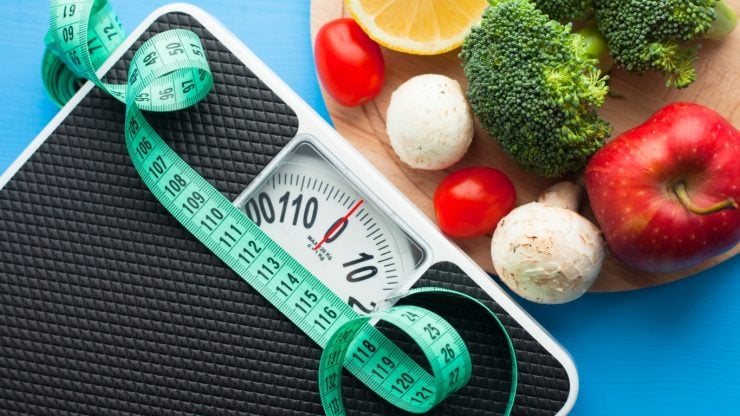
Every January, the diet industry explodes with promises of rapid weight loss, perfect health, and life transformation. But behind the glossy marketing and celebrity endorsements, many popular diets fail to deliver on their promises or simply aren’t sustainable for most people. Here’s an honest look at twenty diets that get far more credit than they deserve. *This is not health advice.
20. The 5-Bite Diet

This diet allows you to eat anything you want, but only five bites per meal. It’s severe calorie restriction disguised as portion control. You’ll be malnourished, hungry, and obsessed with food. It teaches no sustainable habits and can slow your metabolism. The fact that you can choose your five bites doesn’t make this approach any less harmful than other starvation diets.
19. The Tapeworm Diet

Historical and horrifying, this approach involves intentionally infecting yourself with a parasitic tapeworm to absorb calories. Modern versions (usually fake pills) still pop up online. Real tapeworm infections cause malnutrition, digestive problems, and can spread to other organs including your brain. This is never, ever a safe weight loss method.
18. The Ice Cream Cleanse

A recent trend involves eating only ice cream for several days, supposedly to “reset” your system while enjoying comfort food. It’s nutritionally bankrupt, will spike and crash your blood sugar repeatedly, provides almost no protein or micronutrients, and won’t teach you anything about sustainable eating. The only thing it cleanses is your bank account.
17. Blood Type Diet
This diet claims your blood type determines which foods you should eat, but there’s no scientific evidence supporting the connection between blood type and nutrition needs. Studies have found no benefits to matching your diet to your blood type. While the diet may encourage some people to eat more whole foods, the blood type aspect is pure pseudoscience.
16. The Carnivore Diet
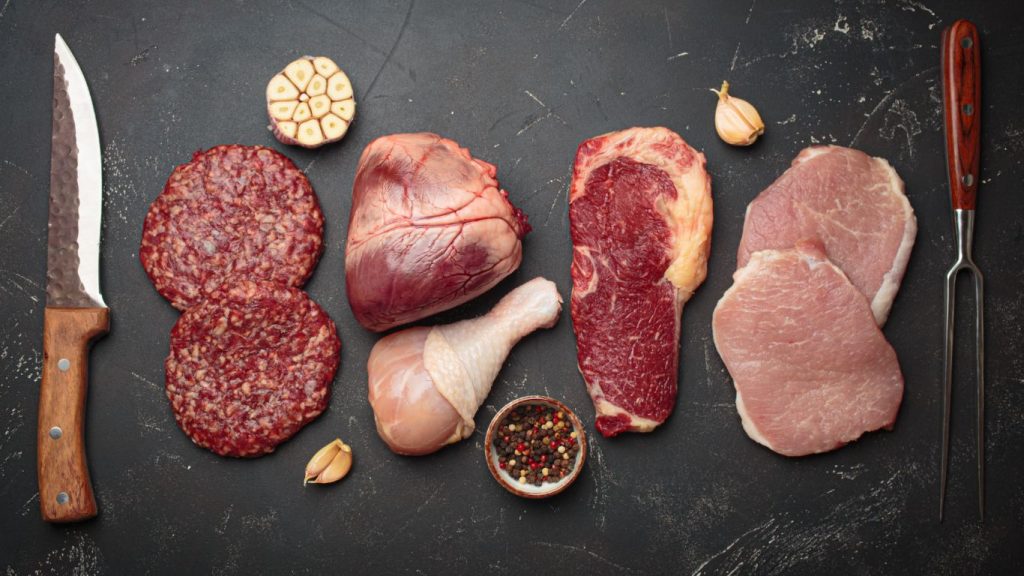
This all-meat approach claims to cure everything from autoimmune diseases to depression. The reality? Eliminating entire food groups (fruits, vegetables, grains) means missing out on essential nutrients, fiber, and the diverse compounds that support long-term health. While some people report short-term benefits, the lack of scientific evidence for safety beyond a few months makes this an extreme experiment rather than a proven dietary approach.
15. Intermittent Fasting (as a cure-all)

Intermittent fasting (IF) has become incredibly popular, and for some people, it can be a useful tool for controlling calorie intake. However, it’s been wildly overhyped as a miracle cure for aging, disease, and obesity. The benefits for humans are still being studied, and much of the excitement comes from animal research that doesn’t always translate. For many people, IF triggers binge eating, disrupts social life, and creates an unhealthy fixation on eating windows rather than food quality.
14. The Sleeping Beauty Diet

The logic here is horrifying: if you’re asleep, you can’t eat. This “diet” involves sedating yourself to sleep through meals. It promotes medication abuse, prevents your body from getting proper nutrition, and can lead to serious health consequences. Elvis Presley reportedly used this approach, and his health problems are well-documented.
13. Vegan Diet (as a one-size-fits-all health solution)
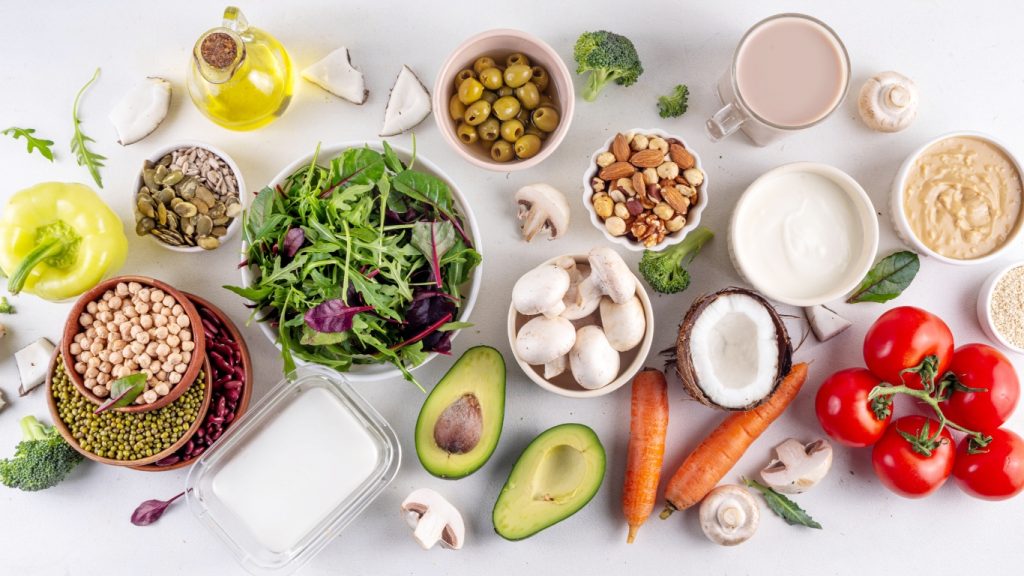
Veganism as an ethical choice is one thing, but the wellness industry has repackaged it as a miracle cure for every disease. While well-planned vegan diets can be healthy, they require mandatory B12 supplementation and careful attention to iron, zinc, omega-3s, and complete protein sources. The diet is often promoted with cherry-picked studies and claims that go far beyond what science supports (curing cancer, humans are “naturally herbivores”). Many people jumping in based on Netflix documentaries end up deficient because they don’t understand the planning required. Some genuinely thrive on vegan diets, but others experience fatigue, hormonal issues, or nutrient deficiencies despite their best efforts. Like carnivore on the opposite end, the issue isn’t that it can’t work for anyone, it’s the dogmatic insistence that it’s the only healthy way to eat, regardless of individual response or health conditions.
12. Raw Food Diet
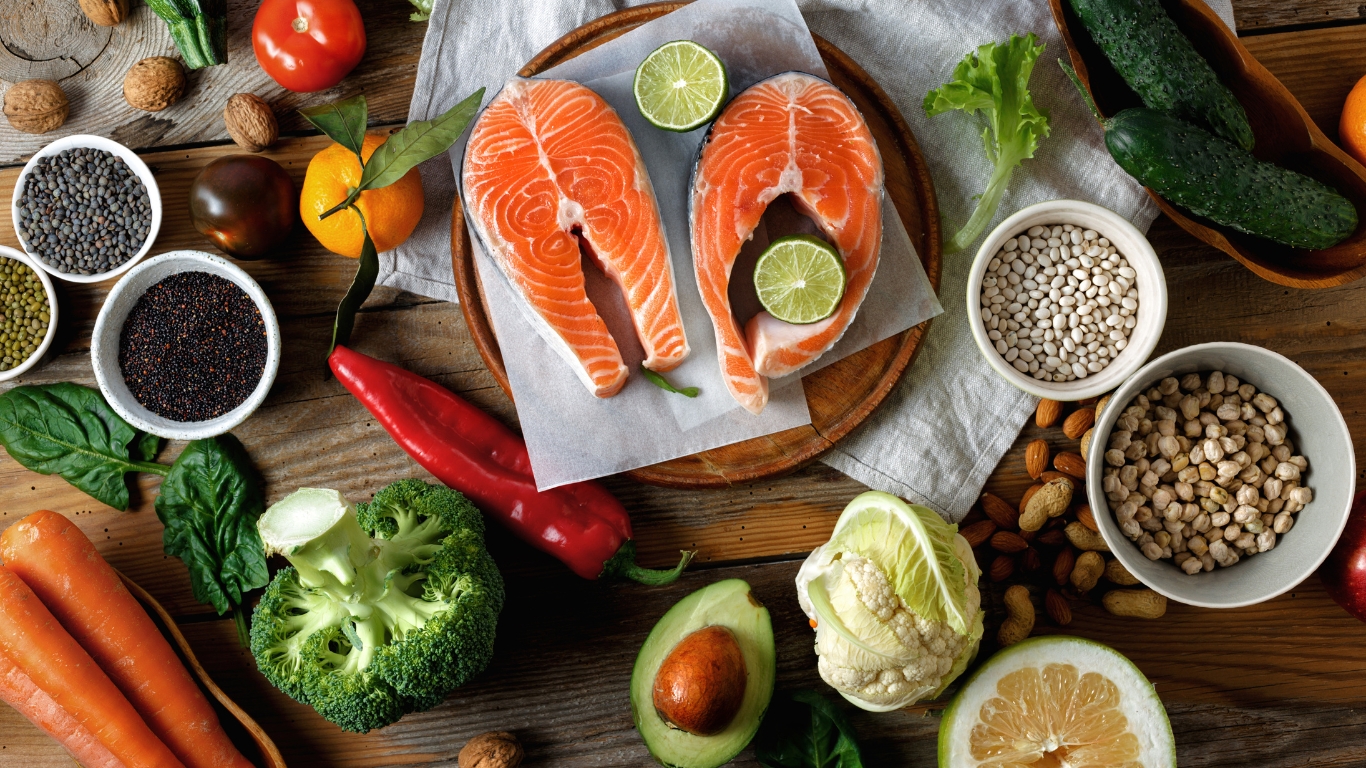
While eating more raw fruits and vegetables is generally positive, extreme raw foodism (consuming only uncooked foods) makes getting adequate calories and certain nutrients difficult. Cooking actually increases the bioavailability of some nutrients. The diet is time-consuming, socially limiting, and the claimed health benefits (disease reversal, increased energy) aren’t backed by solid research.
11. The Werewolf Diet (Lunar Diet)

This diet claims that fasting according to moon phases helps you lose weight by aligning with your body’s natural rhythms. The lunar cycle has no proven effect on human metabolism or digestion. Any weight loss comes from the fasting itself, not the moon. It’s astrology masquerading as nutrition science.
10. Breatharian Diet

Perhaps the most dangerous entry on this list, breatharianism claims you can live on air and sunlight alone. This isn’t a diet, it’s starvation. Several deaths have been linked to attempts to follow this approach. Humans need food and water to survive. There’s no debate here.
9. The Grapefruit Diet

This decades-old fad claims that grapefruit contains fat-burning enzymes. It doesn’t. The extremely low calorie intake (about 800 calories daily) causes weight loss, not the magical properties of citrus fruit. The diet is nutritionally inadequate, difficult to maintain, and can interfere with many common medications.
8. The Cookie Diet

Meal replacement cookies promise convenient weight loss, but they’re essentially expensive protein bars marketed with a gimmick. The plan typically restricts you to 1,000-1,200 calories daily. You could achieve the same results eating regular food for much less money while actually learning sustainable eating habits. Plus, calling them “cookies” sets up an unhealthy relationship with food.
7. HCG Diet
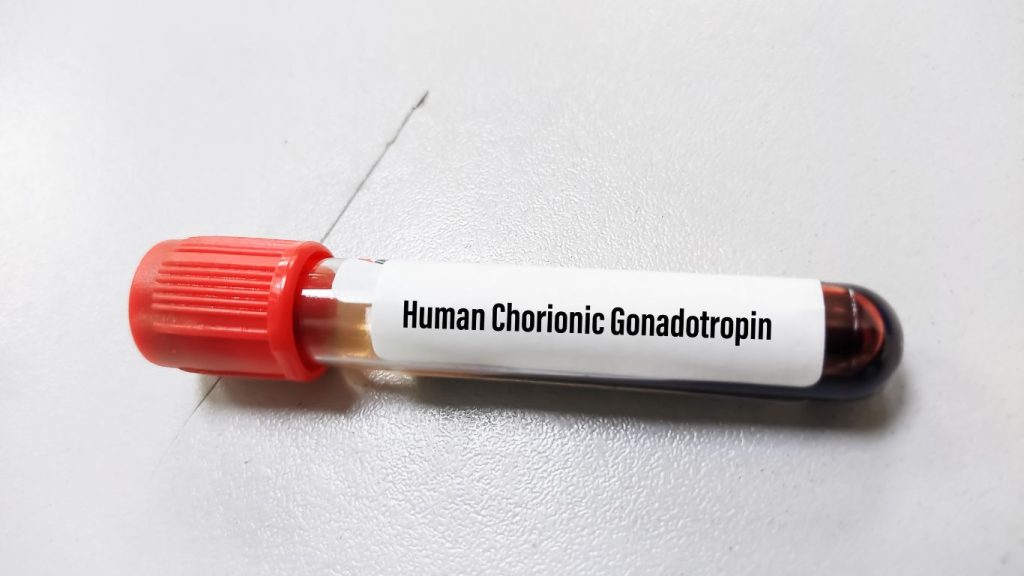
This diet combines severe calorie restriction (500 calories per day) with injections or drops of human chorionic gonadotropin, a pregnancy hormone. The FDA has stated that HCG is fraudulent and illegal when sold for weight loss. Any weight loss comes from near-starvation, not the hormone. It’s dangerous, expensive, and unsustainable.
6. The Cabbage Soup Diet

A week of cabbage soup might help you drop pounds quickly, but it’s mostly water weight and muscle mass. The severe calorie restriction (often under 1,000 calories daily) slows your metabolism. The monotony is unbearable, the gas and bloating are inevitable, and you’ll gain the weight back the moment you resume normal eating.
5. The Baby Food Diet

Yes, this is real, and yes, it’s as strange as it sounds. Eating jars of pureed baby food to control portions might lead to weight loss through sheer calorie restriction, but it teaches you nothing about normal eating patterns. You’ll feel deprived, socially isolated (try explaining this at a restaurant), and you’re missing the satisfaction and nutrition that comes from eating actual meals.
4. Alkaline Diet
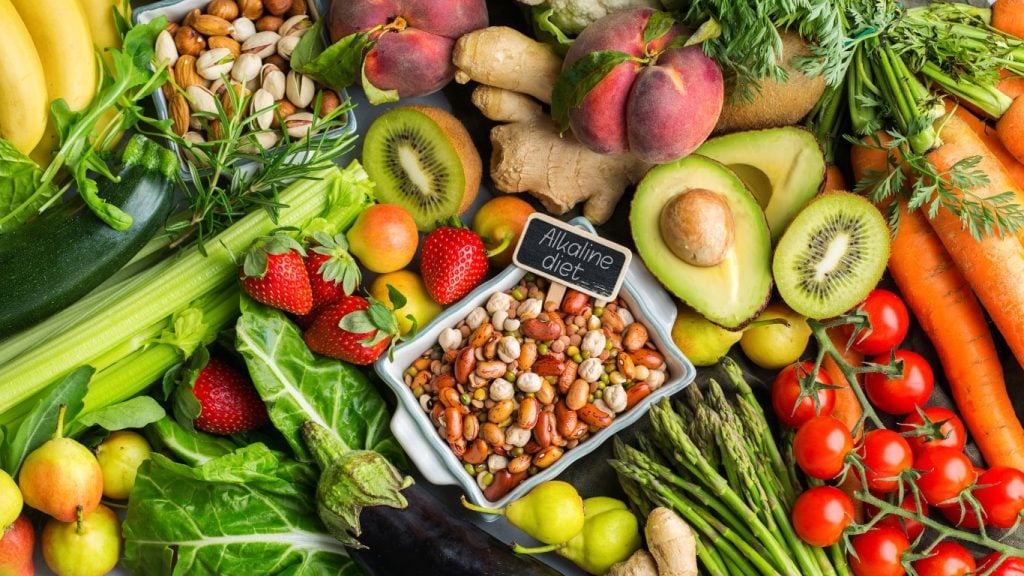
This diet claims that eating alkaline foods changes your blood pH and prevents disease. Here’s the problem: your body tightly regulates blood pH regardless of what you eat. If your blood pH actually changed significantly based on diet, you’d be in the hospital. While the diet encourages eating more vegetables (good), it’s based on fundamentally flawed science about how your body works.
3. The Military Diet
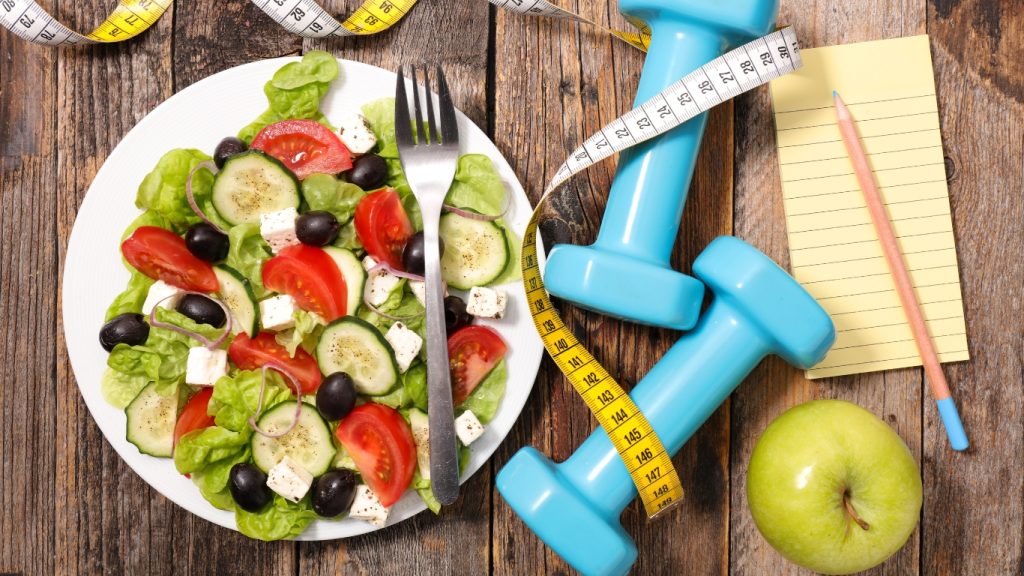
Despite its official-sounding name, this diet has no connection to any military organization. The three-day plan restricts you to about 1,000 calories through bizarre food combinations (hot dogs, ice cream, and saltine crackers feature prominently). Any weight you lose is water and glycogen, not fat. The extreme restriction followed by “normal eating” days trains your body for yo-yo dieting.
2. Juice Cleanses

The promise of “detoxing” your body sounds appealing, but your liver and kidneys already do this job extremely well. Juice cleanses strip away fiber, spike your blood sugar, and leave you hungry and irritable. You’ll lose water weight quickly, but gain it back just as fast. Meanwhile, you’re missing out on the protein and healthy fats your body actually needs.
1. The Master Cleanse (Lemonade Diet)

This liquid-only “detox” involves drinking nothing but lemon juice, maple syrup, cayenne pepper, and water for 10+ days, with added laxative tea. You’re essentially starving yourself while your digestive system goes haywire. Proponents claim it flushes toxins and reboots your system, but you’ll mostly experience hunger, fatigue, headaches, and frequent bathroom trips. Any weight loss is water, muscle, and glycogen that returns immediately when you eat again. The concoction provides almost no protein, essential fats, or micronutrients. Beyoncé famously used this for a movie role, which sparked massive popularity, but losing weight for a film role under medical supervision is very different from regular people trying this at home. It teaches nothing about sustainable eating and can trigger disordered eating patterns.
The Pattern Behind the Hype
Most overrated diets share common features. They promise quick results, require extreme restriction or unusual eating patterns, and claim to work through some special mechanism that defies conventional nutrition science. They’re often promoted by celebrities or influencers rather than nutrition experts, and they make dieting seem like a short-term fix rather than a long-term lifestyle adjustment.

What Actually Works
Sustainable weight loss and health improvements come from approaches that are far less exciting to market. Eating a variety of whole foods, including plenty of vegetables, adequate protein, healthy fats, and whole grains. Moving your body regularly in ways you enjoy. Getting enough sleep. Managing stress. Building habits you can maintain for years, not weeks.
The most successful “diet” is the one you can stick with long-term while maintaining your health, sanity, and social life. That usually means modest changes to your existing eating patterns, not a complete overhaul or trendy restriction.
This January, instead of jumping on the latest diet bandwagon, consider working with a registered dietitian to develop a personalized approach based on your actual needs, preferences, and health status. It’s less glamorous than a viral diet trend, but far more likely to improve your health in the long run.

Add comment